By Correspondents Asia Singano and Chedaiwe Msuya, Dodoma
Financial literacy is increasingly being recognised as a cornerstone of Tanzania’s long-term economic transformation, with the government intensifying efforts to equip young people with money management skills before they enter the workforce.
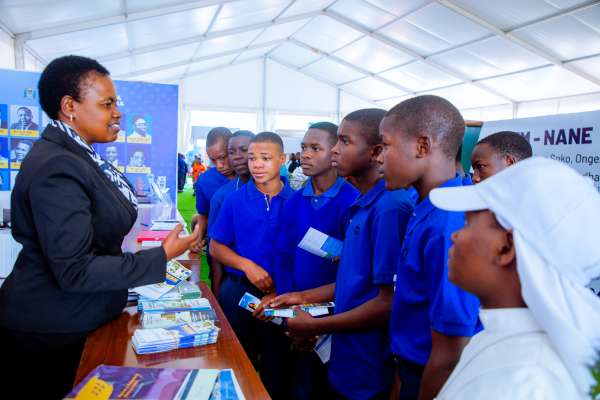
At this year’s Nane Nane Agricultural Exhibition in Dodoma, the Ministry of Finance used its exhibition pavilion not only to showcase public finance initiatives but also to deliver practical financial education to students – an initiative that reflects a growing policy shift towards building financially responsible citizens from an early age.
Students from the Sisters of Mary Boystown School were encouraged to adopt disciplined spending habits, develop budgeting skills and embrace formal savings as part of a broader strategy to strengthen financial inclusion and support the country’s Development Vision 2050 (Dira 2050).
Building financial discipline early
Grace Samwel, a Senior Financial Management Officer in the Ministry of Finance’s Financial Sector Development Department, told students that every shilling received from parents, guardians or the government should be spent for its intended purpose.
She stressed that effective financial management begins with distinguishing between needs and wants and setting clear priorities before spending.
Without financial goals, she explained, people are more likely to make impulsive purchases that undermine their long-term objectives.
“If you do not set financial goals, you will spend money on whatever attracts your attention,” she said. “But when you have a clear purpose, every shilling serves a planned objective.”
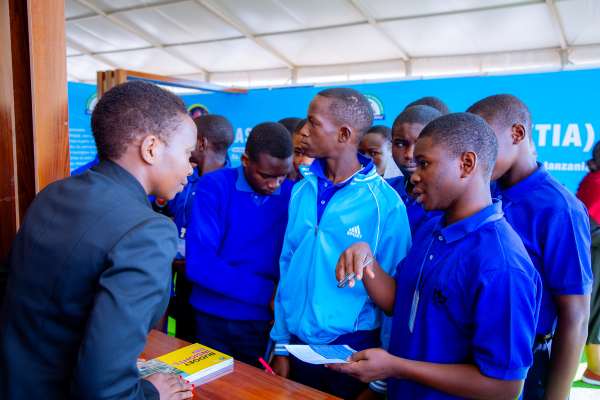
Her message reflects a growing recognition that financial literacy is not merely about saving money but about developing behaviours that encourage responsible financial decision-making throughout life.
Financial literacy as an economic policy tool
The initiative comes as Tanzania continues expanding financial inclusion through banking reforms, digital financial services and increased access to formal savings products.
While significant progress has been made in expanding access to financial services, policymakers increasingly acknowledge that access alone is insufficient if citizens lack the knowledge to manage money effectively.
Financial education is therefore becoming an important complement to broader financial sector reforms.
Teaching budgeting, saving and financial planning at school level could help create a generation better prepared to participate in the formal economy, access financial services responsibly and build personal wealth.
Promoting a culture of saving
Students were also encouraged to become ambassadors of financial literacy within their families and communities by promoting budgeting and the use of formal savings channels.
Samwel urged them to encourage parents and guardians to save through regulated financial institutions, including banks, noting that many households still rely on informal methods that offer limited financial security.
Expanding formal savings remains an important policy objective because higher domestic savings provide financial institutions with greater resources to support lending to businesses, agriculture and other productive sectors.
Investing in future entrepreneurs
Although the session focused on schoolchildren, its wider significance extends to Tanzania’s entrepreneurial ambitions.
Many small businesses struggle because owners begin trading without basic financial management skills such as budgeting, cash-flow planning or disciplined saving.
Introducing these concepts during school years could gradually strengthen the country’s entrepreneurial ecosystem by producing future business owners with stronger financial capabilities.
It also aligns with the government’s efforts to promote financial inclusion, increase formal savings and expand access to affordable finance for individuals and enterprises.
Supporting Dira 2050
The Ministry of Finance is participating in the 33rd Nane Nane Agricultural Exhibition as part of its wider public engagement programme, providing information on public finance, budgeting and financial services.
This year’s exhibition is being held under the theme: “Know Your Market, Increase Productivity to Advance Vision 2050.”
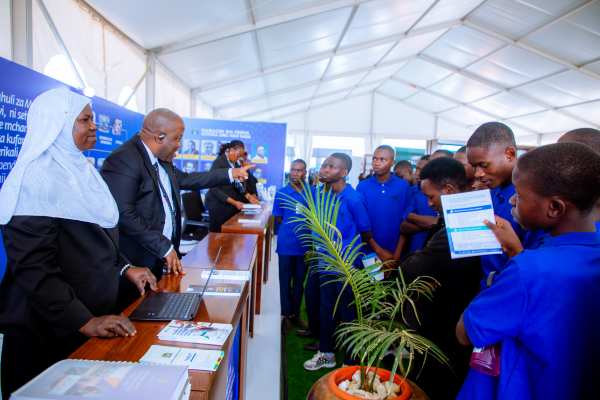
(Photo by Government Communications Unit, Dodoma)
The inclusion of financial education alongside discussions on agriculture, technology and economic development underscores the government’s belief that achieving long-term national prosperity will depend not only on infrastructure and investment but also on the financial capability of its citizens. As Tanzania pursues its ambition of building a more competitive, industrialised and inclusive economy, financial literacy is increasingly being viewed as an investment in human capital – one that may ultimately prove just as important as roads, factories or digital infrastructure in driving sustainable economic growth.