By Business Insider Reporter
In a quiet but profound transformation of Tanzania’s healthcare landscape, stories once associated with hospitals abroad are now unfolding in Dodoma.
Patients battling kidney failure are receiving life-saving transplants at home. Children born with sickle cell disease are regaining their health through bone marrow transplantation.
Families that once faced the burden of traveling overseas for specialised treatment are now finding hope within Tanzania’s borders.
At the centre of this medical revolution stands Benjamin Mkapa Hospital (BMH), a fast-rising national referral and specialised hospital that is steadily positioning Tanzania as a regional leader in highly specialised healthcare services.
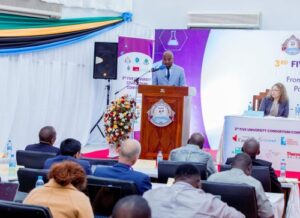
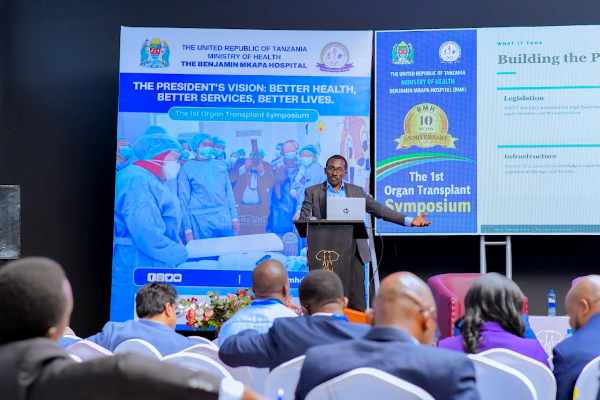
Speaking during the opening of Tanzania’s first international conference on organ transplant services jointly organised by BMH and University of Dodoma on May 6, 2026, the Chief Medical Officer, Dr. Grace Magembe, described the country’s achievements in organ transplantation as a major milestone in Tanzania’s healthcare journey.
“Currently, we provide bone marrow transplant services for patients suffering from cancer and other blood disorders, kidney transplants, and we are now moving toward liver and heart transplants,” she said.
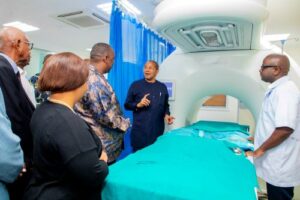
According to Dr. Magembe, more than 147 kidney transplant procedures have already been successfully conducted locally, with BMH playing a leading role in the achievement.
The accomplishment marks a significant shift for Tanzania, where highly specialised treatments once required expensive referrals abroad. Today, local specialists are increasingly performing complex procedures that not only save lives, but also restore dignity, productivity, and hope.
For many beneficiaries, the impact goes far beyond medicine.
Six months ago, Richard Masimba underwent a kidney transplant at BMH after enduring the physical and emotional burden of kidney disease. Today, he speaks with renewed optimism.
“The service has greatly improved my health and given me hope again,” he said while sharing his testimony during the conference.
Mr. Masimba thanked the government and doctors for making advanced treatment accessible within the country, saying the initiative has already saved many lives.
He also encouraged Tanzanians facing kidney-related illnesses not to lose hope, emphasizing that treatment is now available locally if patients seek medical attention early.
Equally emotional was the testimony of Naira Gwota, a young beneficiary of a bone marrow transplant that successfully treated her sickle cell disease. Before the procedure, frequent illness and repeated hospital admissions constantly interrupted her education and daily life.
“After the transplant, my condition improved significantly, and now I can continue with my studies,” she explained.
For Ms. Naira and many others, the procedure has not only restored health but also revived dreams that once seemed impossible.
Behind these life-changing stories lies deliberate government investment in healthcare infrastructure, specialised equipment, and human capital development under President Dr. Samia Suluhu Hassan.
Dr. Magembe noted that organ transplant services remain costly worldwide, making the government’s push for universal health insurance especially important in ensuring ordinary Tanzanians can access advanced treatment without catastrophic financial strain.
The country’s ambitions, however, extend beyond service delivery alone.
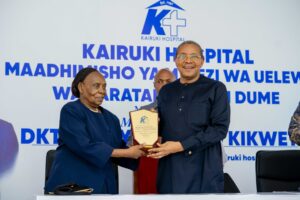
Executive Director of BMH, Prof. Abel Makubi, said the hospital’s vision is to build a strong ecosystem for specialized and super-specialized healthcare capable of serving both Tanzania and the wider region.
He praised the government for its continued support and highlighted the importance of international collaboration in advancing medical excellence.
More than 150 health local and foreign experts attended the conference, creating a platform for exchanging expertise, strengthening partnerships, and accelerating knowledge transfer in transplant medicine and specialist healthcare.
“This conference is important in shaping the future direction of organ transplant services at BMH and Tanzania at large,” Prof. Makubi noted.
Academic institutions are also playing a strategic role in sustaining the country’s progress.
Representing UDOM, Prof. Razack Lokina said the university will continue training specialists in kidney and bone marrow transplantation while advancing research aimed at improving transplant outcomes and healthcare innovation.
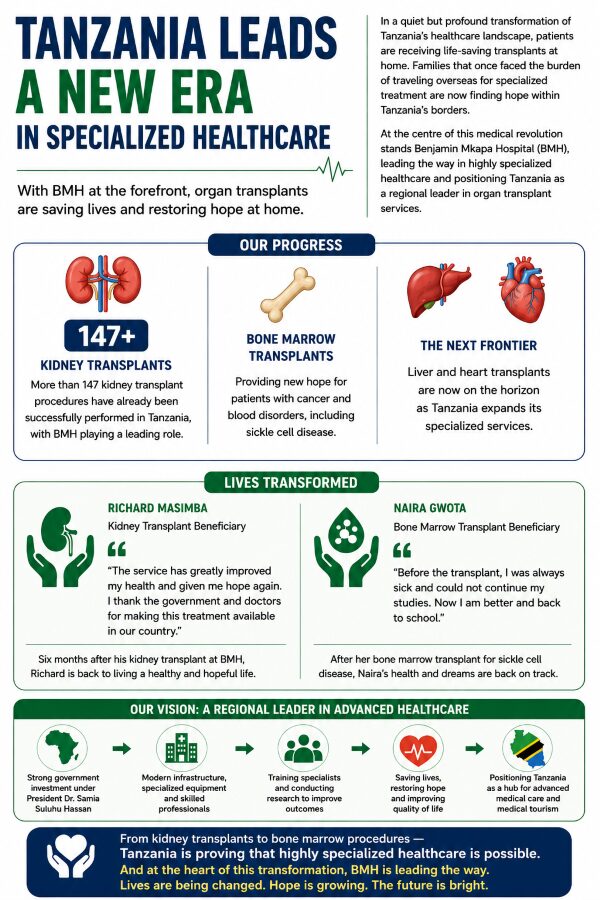
The growing collaboration between hospitals, universities, government institutions, and international experts reflects Tanzania’s broader ambition to emerge as a regional hub for advanced medical care and medical tourism.
That ambition is increasingly becoming reality.
From kidney transplants to bone marrow procedures – and with liver and heart transplants now on the horizon – Tanzania is demonstrating that highly specialised healthcare is no longer beyond reach. And at the heart of this transformation, Benjamin Mkapa Hospital is not only treating patients. It is helping redefine the future of medicine in Tanzania and beyond.