By Correspondent Ramadhani Kissimba, Durban
Southern African countries are being urged to deepen regional cooperation and invest in processing industries that add value to minerals and locally produced goods, as the bloc seeks to accelerate industrialisation and reduce its dependence on raw commodity exports.
The call came during the 9th SADC Industrialisation Week in Durban, where governments, development finance institutions, investors and private sector leaders are exploring ways to strengthen regional manufacturing and unlock greater value from the region’s abundant natural resources.
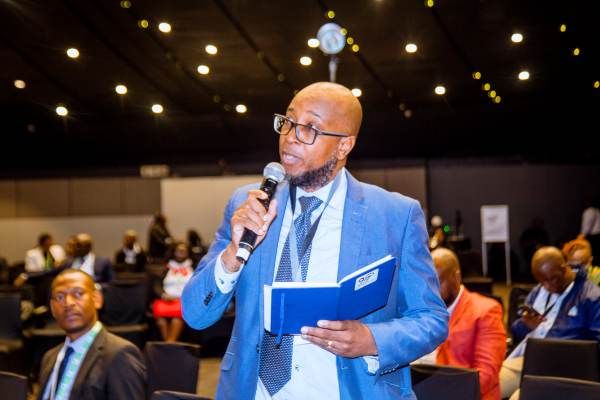
Speaking on the sidelines of the conference, TIB Development Bank Chief Executive Deogratius Kwiyukwa said discussions had focused heavily on how SADC countries could work together to build industries that process strategic minerals before they leave the region.
“The key message from the discussions is that Southern Africa must move beyond exporting raw minerals. The region needs to invest in processing and manufacturing so that more value, jobs and income are created within our own economies,” Kwiyukwa said.
He said the growing global demand for critical minerals presents a unique opportunity for SADC countries to position themselves higher in international supply chains rather than remaining suppliers of unprocessed resources.
According to Kwiyukwa, the conference has also created new opportunities for member states to coordinate industrial policies and develop joint strategies that support the bloc’s long-term industrial ambitions.
He urged governments to align national development plans with SADC’s industrialisation agenda to speed up the implementation of projects that deliver shared regional benefits.
For TIB Development Bank, the gathering has also been an opportunity to forge partnerships with other regional financial institutions capable of mobilising long-term capital for large infrastructure and industrial projects.
“We are engaging with development finance institutions across the region because many strategic projects require financing that goes beyond the capacity of a single institution,” he said. “Pooling resources will make it easier to support transformational investments.”
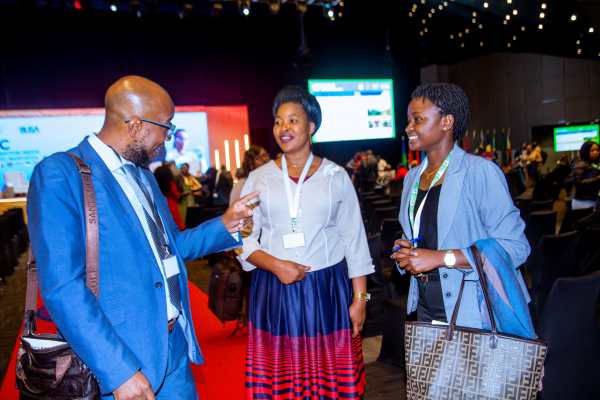
Kwiyukwa also stressed that the success of the regional industrialisation agenda would depend on translating conference resolutions into practical investments that create employment, particularly for young people.
The five-day conference has brought together government leaders, investors, development partners, financial institutions and business executives from across Southern Africa under the theme: “Advancing Industrialisation Through Infrastructure Development, Agricultural Transformation and Mineral Beneficiation for an Equitable World.” As deliberations continue, one message has emerged clearly: stronger regional integration, greater investment in value addition and better access to development finance will be central to building a more competitive and resilient SADC economy.