
By Business Insider Reporter
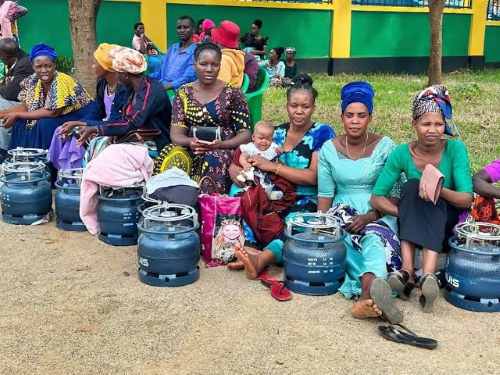
As Tanzania intensifies efforts to expand access to clean energy and reduce dependence on charcoal and firewood, a decade-long initiative is quietly demonstrating how climate action can also create jobs, support local manufacturing and improve public health.
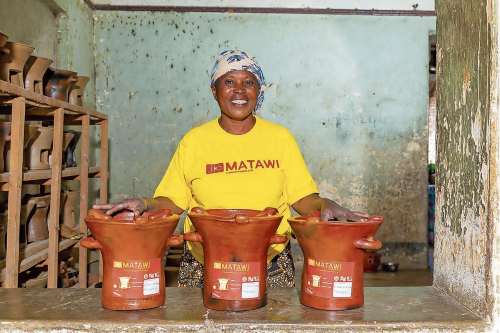
The Energising Development (EnDev) programme has emerged as one of the country’s most impactful clean cooking initiatives, helping commercialize nearly one million improved cookstoves while transforming more than 120 local artisans into entrepreneurs and small-scale manufacturers.
Beyond its environmental benefits, the programme offers a compelling example of how market-driven solutions can address multiple development challenges simultaneously – ranging from energy access and deforestation to youth employment and rural industrialization.
Turning artisans into manufacturers
At the heart of EnDev’s approach is a strategy that focuses on building sustainable local businesses rather than relying on long-term subsidies.
The initiative operates through what it describes as a “5I Strategy” Identification, Initiation, Incubation, Investment and Independence – a model designed to help local entrepreneurs develop commercially viable clean cooking businesses.
Through technical training, business development support and access to production equipment, more than 120 artisans across Tanzania have been supported to transition from informal metalworking and fabrication activities into structured enterprises producing improved cookstoves.
The result has been the creation of a growing local manufacturing ecosystem capable of producing and distributing energy-efficient cooking solutions at scale.
Industry analysts note that this approach aligns closely with Tanzania’s broader industrialization agenda, which emphasizes value addition, local production and the development of small and medium-sized enterprises (SMEs).
A growing market for clean cooking
The success of the initiative comes at a critical moment for Tanzania.
Despite progress in electrification, a large proportion of households continue to rely on biomass fuels such as charcoal and firewood for cooking. This dependence contributes to forest degradation, household air pollution and rising fuel costs, particularly for low-income families.
Improved cookstoves offer a practical alternative by reducing fuel consumption and increasing cooking efficiency.
According to programme data, nearly one million improved cookstoves have been sold and distributed through market-based channels, creating a significant shift in household energy consumption patterns.
For consumers, the benefits extend beyond environmental considerations.
More efficient stoves translate into lower fuel expenses, reduced cooking time and improved household economics – factors that are increasingly important as urban populations continue to grow.
Creating economic opportunities in rural Tanzania
One of the most significant outcomes of the programme has been its contribution to entrepreneurship and local economic development.
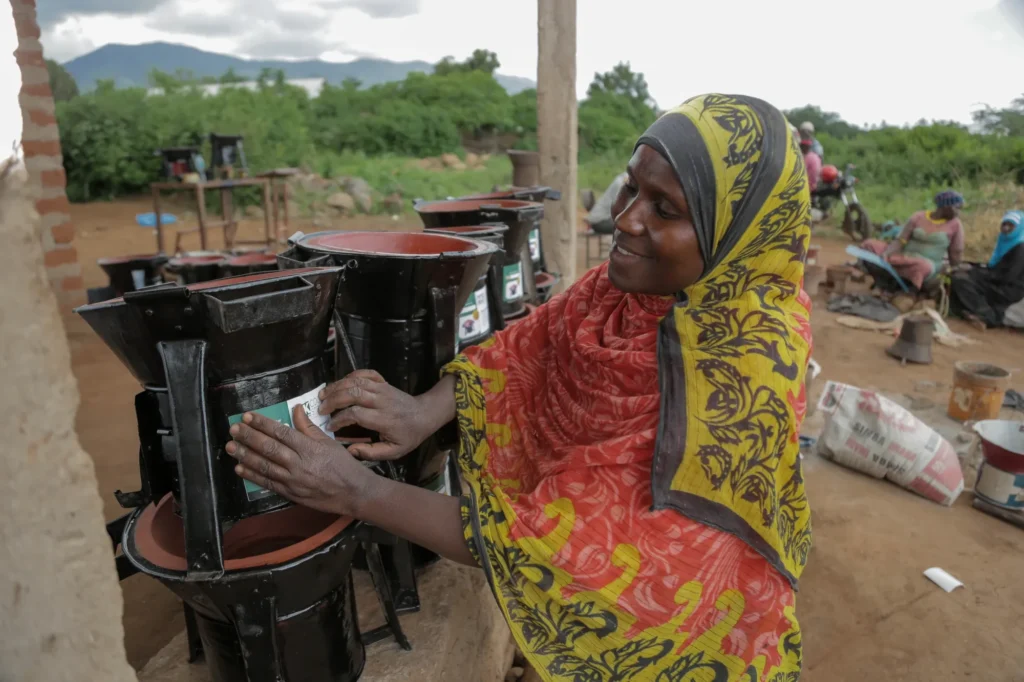
By supporting local production, EnDev has enabled artisans to establish businesses that generate income, create jobs and stimulate economic activity within their communities.
Entrepreneurs such as those operating in regions like Mwanza have expanded production capacity and developed specialized stove models tailored to local market needs.
The emergence of these enterprises highlights the growing potential of Tanzania’s green economy, where environmental solutions are also becoming sources of commercial opportunity.
For policymakers, this presents an important lesson: climate-related investments can generate economic returns when linked to enterprise development and local value chains.
Supporting Tanzania’s climate and forest conservation goals
The programme also contributes directly to Tanzania’s environmental objectives.
Charcoal remains the dominant cooking fuel in many urban centres, including Dar es Salaam and Dodoma, placing significant pressure on forest resources.
By increasing thermal efficiency and reducing fuel consumption, improved cookstoves help lower demand for firewood and charcoal, potentially slowing the pace of deforestation.
This is particularly relevant as Tanzania advances ambitious environmental initiatives, including large-scale reforestation programmes and efforts to strengthen participation in global carbon markets.
Experts argue that clean cooking technologies represent one of the most cost-effective interventions for reducing emissions while delivering immediate social and economic benefits.
A public health dividend
The business case for clean cooking is strengthened by its public health impact.
Traditional cooking methods often expose households to high levels of indoor air pollution, a major contributor to respiratory illnesses, particularly among women and children who spend extended periods near cooking areas.
Cleaner and more efficient stoves significantly reduce smoke emissions, improving indoor air quality and lowering health risks.
For Tanzania, where healthcare systems continue to face pressure from preventable illnesses, wider adoption of clean cooking technologies could help reduce disease burdens while improving quality of life in both rural and urban communities.
A model for sustainable growth
As Tanzania pursues its clean energy transition, the EnDev experience demonstrates that sustainable development does not have to come at the expense of economic growth.
Instead, it shows how targeted investments can simultaneously support entrepreneurship, local manufacturing, environmental protection and public health.
The programme’s emphasis on self-sustaining businesses rather than donor dependency may prove to be one of its most enduring contributions.
By enabling local innovators to build profitable enterprises around clean energy solutions, Tanzania is laying the foundation for a market that can continue growing long after development funding has ended. In an era when governments across Africa are searching for practical pathways toward greener economies, the Tanzanian experience offers a powerful lesson: the clean energy transition can create jobs and businesses while improving lives.