By Business Insider Reporter
For decades, Tanzania’s tourism success story has largely been written in the north, where world-famous destinations such as the Serengeti and Ngorongoro Conservation Area have attracted millions of visitors and billions of dollars in tourism revenue.
Now, the government is making a bold attempt to create a second tourism growth engine.
A TSh146.6 billion investment in infrastructure across Tanzania’s southern safari circuit is expected to improve accessibility, attract private investment, expand conservation revenues and unlock economic opportunities for communities surrounding some of Africa’s largest protected ecosystems.
The investment, implemented under the Resilient Natural Resources Management for Tourism and Growth (REGROW) project – a partnership between the Government of Tanzania and the World Bank – represents one of the most significant public-sector tourism investments ever undertaken in southern Tanzania.
The programme focuses on three flagship national parks – Nyerere, Ruaha and Mikumi – which together form the backbone of Tanzania’s southern tourism circuit.
Officials believe the upgrades will help reposition the region as a premier destination for high-value tourism while easing pressure on the country’s more heavily visited northern attractions.
Unlocking an untapped tourism asset
Despite possessing some of the continent’s most expansive wilderness areas, southern Tanzania has historically attracted a relatively small share of the country’s international tourist arrivals.
Industry stakeholders have long attributed this gap to limited transport connectivity, inadequate tourism infrastructure and a shortage of high-quality accommodation facilities.
As a result, many visitors have opted for northern Tanzania, where infrastructure and tourism services are more developed.
The government now believes the southern circuit offers one of the country’s biggest untapped opportunities for tourism-led growth.
Speaking in Arusha, TANAPA Conservation Commissioner Musa Kuji said the investments are designed not only to improve visitor experiences but also to create conditions that encourage long-term private-sector participation.
“The investments are aimed at improving conservation management, enhancing visitor experiences and creating an enabling environment for sustainable tourism growth and private-sector investment,” he said.
Building the infrastructure for growth
Under the REGROW programme, major improvements have been completed across the three parks.
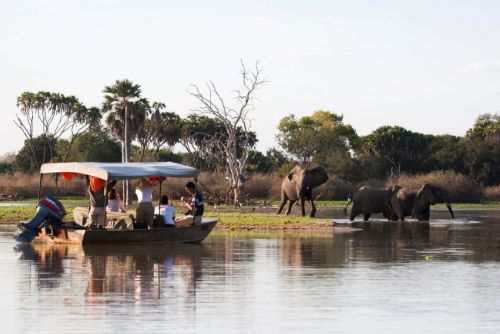
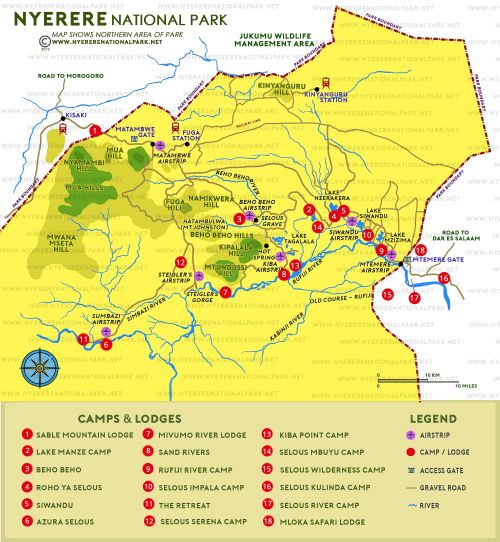
In Nyerere National Park, authorities have constructed a new main entrance gate, ranger facilities, campsites and a 20-room guest house. Upgrades at Mtemere Airstrip are also expected to improve accessibility for tourists and strengthen operational efficiency.
Meanwhile, Mikumi National Park has received new accommodation facilities, visitor amenities and campsite infrastructure, alongside improvements to its airstrip.
In Ruaha National Park – the largest national park in Tanzania – investments have included visitor lodges, ecological monitoring facilities, staff housing and airport infrastructure.
The objective is clear: create a tourism ecosystem capable of supporting increased visitor numbers while preserving the ecological integrity of these globally significant conservation areas.
Driving efficiency and conservation
The project has also financed equipment worth more than TSh31 billion, including heavy machinery, vehicles and tractors used to maintain roads, airstrips and other park infrastructure.
According to TANAPA, the investment is already generating operational efficiencies.
Maintenance costs have fallen by more than 60 percent, while over 1,200 kilometres of roads have been rehabilitated and seven airstrips upgraded.
Lower operational costs allow conservation authorities to direct more resources toward ecosystem protection, anti-poaching activities and visitor services, strengthening the long-term sustainability of the parks.
The private investment opportunity
For investors, the southern circuit increasingly represents one of Tanzania’s most attractive emerging tourism markets.
Improved accessibility is expected to encourage investment in:
- Luxury safari lodges
- Tented camps
- Boutique hospitality facilities
- Air charter services
- Eco-tourism ventures
- Tourism logistics and support services
The timing is particularly favourable.
Global tourism trends show rising demand for exclusive, low-density wildlife experiences, a segment where southern Tanzania enjoys a natural competitive advantage.
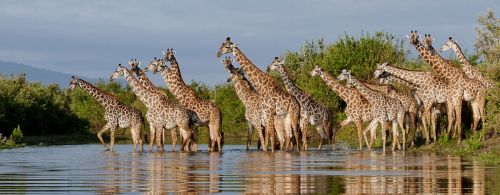
Unlike some of Africa’s more crowded safari destinations, parks such as Nyerere and Ruaha offer vast wilderness landscapes and unique wildlife encounters with comparatively fewer visitors.
This positioning aligns closely with the preferences of premium travellers seeking authentic nature-based experiences.
Economic impact beyond tourism
The significance of the investment extends far beyond visitor arrivals.
Tourism remains one of Tanzania’s leading sources of foreign exchange earnings and a major contributor to employment, government revenues and rural economic development.
By strengthening the southern circuit, authorities hope to diversify tourism flows and spread economic benefits across more regions of the country.
Analysts argue that increased visitation could stimulate demand for local goods and services, creating opportunities for small businesses, transport operators, farmers, artisans and hospitality providers in communities surrounding the parks.
The strategy also aligns with Tanzania’s broader objective of promoting inclusive growth through natural-resource-based industries.
“This is not simply an infrastructure programme,” Mr Kuji noted.
“It is a strategic investment in the future of southern Tanzania’s tourism economy, conservation sustainability and community development.”
Positioning southern Tanzania for the future
As competition among African tourism destinations intensifies, countries are increasingly investing in infrastructure to improve accessibility and enhance visitor experiences.
Tanzania’s TSh146.6 billion investment signals a recognition that world-class wildlife resources alone are no longer enough.
Connectivity, quality facilities and investor confidence are becoming equally important drivers of tourism competitiveness.
While authorities have yet to publish projections for future visitor growth, the scale of the investment reflects confidence that southern Tanzania can emerge as a major pillar of the country’s tourism economy. If successful, the southern circuit could evolve from a largely underutilised conservation asset into a powerful engine for investment, employment and economic growth – complementing the northern circuit and reinforcing Tanzania’s position as one of Africa’s leading tourism destinations.