By Peter Nyanje
The FIFA World Cup has long been regarded as the pinnacle of world football – a tournament that unites nations, cultures and people from every corner of the globe. Every four years, the world pauses to celebrate the game, sharing moments of joy, heartbreak and sporting excellence.
At its best, the World Cup represents something bigger than football. It is a symbol of inclusion, diversity and the belief that talent, hard work and merit should triumph over nationality, politics or geography.
That is why recent developments surrounding the 2026 FIFA World Cup have raised troubling questions about whether the tournament is living up to its own ideals.
FIFA has consistently promoted the World Cup as a celebration of global unity, a competition that transcends borders and brings humanity together through sport. Yet events surrounding preparations for the 2026 tournament suggest that this vision may be under strain.
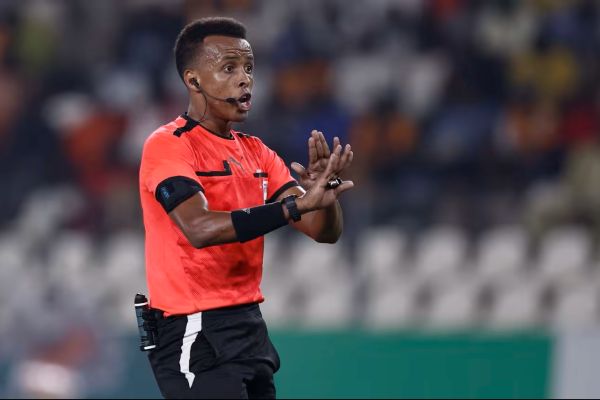
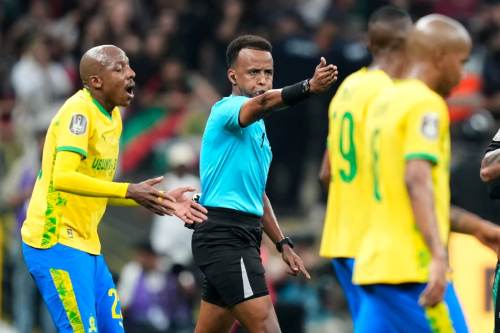
One case that has attracted international attention is that of Somali referee Omar Artan (pictured), the 2025 Confederation of African Football (CAF) Men’s Referee of the Year. Artan was poised to make history as the first Somali referee selected for a FIFA World Cup finals assignment.
Instead, reports indicate that he was denied entry into the United States despite holding a valid visa and a diplomatic passport, and was subsequently returned to Turkey. The incident has sparked concern across the football community and reignited debate about the implications of hosting a global tournament in a country with restrictive immigration policies affecting certain nationalities.
Regardless of the legal or administrative reasons behind the decision, the outcome raises uncomfortable questions.
How can a tournament that prides itself on global participation maintain its credibility if qualified officials, players, journalists or supporters face barriers unrelated to their sporting credentials?
FIFA has responded by stating that immigration decisions are the responsibility of host governments and that the organisation does not control national visa policies. While this may be technically correct, it does not absolve FIFA of responsibility.
The governing body chooses host nations. In doing so, it assumes an obligation to ensure that the fundamental principles of the tournament can be upheld.
When FIFA awards hosting rights, it is not merely selecting stadiums and infrastructure. It is selecting a country that will serve as the gateway to the world’s biggest sporting event.
If that gateway is not equally accessible to all qualified participants, then the integrity of the competition inevitably comes into question.
The issue extends beyond one individual.
The World Cup is not simply a sporting tournament; it is a global gathering involving players, referees, officials, journalists and millions of supporters. Any barriers that prevent legitimate participants from attending risk undermining the tournament’s claim to universality.
Former England international Ian Wright recently described the unfolding situation as a potential “World Cup of chaos,” reflecting growing concerns about access and participation. Questions have also emerged regarding supporters from certain countries and the practical challenges they may face in travelling to the tournament.
Such concerns are particularly significant because FIFA has previously emphasised the importance of inclusion and equal participation when assessing host nations.
The governing body’s credibility depends not only on what it says, but also on how consistently it applies those principles.
To be fair, every host country has the sovereign right to determine its immigration and security policies. No nation should be expected to abandon legitimate security concerns.
However, the World Cup is not an ordinary event.
It is a unique global competition that relies on the participation of people from virtually every nation on earth. When restrictions affect qualified participants solely because of nationality or passport status, the spirit of the competition is inevitably diminished.
The Omar Artan case should therefore serve as a wake-up call – not only for FIFA, but for the broader football community.
Future host agreements should include stronger guarantees ensuring that accredited players, referees, officials, journalists and supporters can attend tournaments without facing unnecessary barriers. Such protections would help preserve the integrity and universality that FIFA claims to champion.
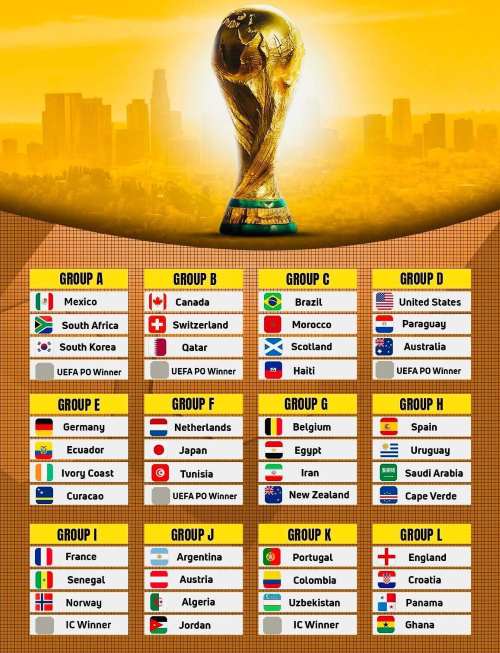
Football’s greatest strength has always been its ability to bring people together.
The World Cup should remain a stage where talent and merit determine who participates – not birthplace, nationality or geopolitics.
If FIFA wishes to preserve the credibility of its flagship tournament, it must do more than celebrate inclusion in promotional campaigns. It must ensure that inclusion is reflected in practice.
Because when a qualified referee is unable to reach the world’s biggest stage through no fault of his own, the loss is not his alone. It is a loss for football itself.