
By Correspondent Saidina Msangi, Abidjan
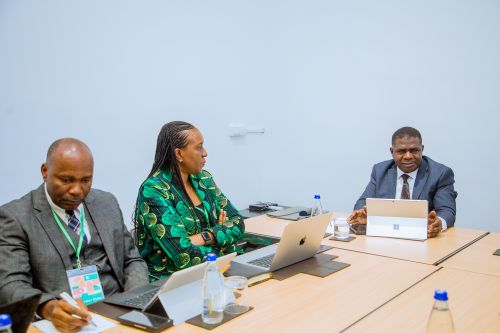
Tanzania has joined African policymakers in a high-level effort to reshape the continent’s industrial future, with Deputy Minister for Finance Mshamu Ali Munde (pictured above) leading the country’s delegation to a ministerial summit focused on mobilising capital, expanding intra-African trade and accelerating industrialisation.
Representing Finance Minister Ambassador Khamis Mussa Omar, Munde is attending the 9th Joint Meeting of the African Union Specialized Technical Committee (STC) on Finance, Monetary Affairs, Economic Planning and Integration alongside the 5th STC on Trade, Tourism, Industry and Minerals in Abidjan, Côte d’Ivoire, from July 23 to 24.
The gathering brings together finance, trade, industry and mining ministers, central bank governors, African Union institutions and regional financial organisations to develop practical strategies for financing Africa’s industrial transformation at a time when the continent is seeking stronger economic resilience.
For Tanzania, the meeting comes as the government intensifies efforts to position the private sector as the primary engine of economic growth under Dira 2050 and the Fourth Five-Year National Development Plan, both of which place industrial development, investment and export competitiveness at the centre of national policy.
Financing Africa’s industrial ambitions
A central theme of the meeting is how African countries can mobilise significantly greater financial resources to support industrial development without creating unsustainable debt burdens.
Delegates are expected to discuss expanding access to long-term development finance, improving public debt management, strengthening domestic revenue mobilisation, deepening capital markets and increasing private-sector participation in industrial investment.
The discussions will also explore reforms to the international financial architecture aimed at enabling African economies to access affordable financing for large-scale industrial projects and strategic infrastructure.
These issues have become increasingly important as governments across Africa seek alternative sources of investment capital amid tighter global financial conditions and rising borrowing costs.
AfCFTA and regional value chains
Another major focus is the implementation of the African Continental Free Trade Area (AfCFTA), widely regarded as one of the continent’s most significant economic integration initiatives.
Ministers will examine measures to strengthen intra-African trade by removing barriers to commerce, developing strategic transport and logistics corridors and promoting regional value chains capable of supporting industrial growth.
The meeting will also assess how global geopolitical tensions and supply-chain disruptions continue to affect African economies, while identifying opportunities for the continent to build greater economic resilience through stronger regional cooperation.
Tanzania showcases its economic reforms
Tanzania is expected to use the forum to present its experience in maintaining macroeconomic stability, strengthening domestic resource mobilisation and improving the investment climate.
The country has in recent years introduced reforms designed to encourage private investment, expand industrial production and improve the ease of doing business, while pursuing closer partnerships between government and the private sector.
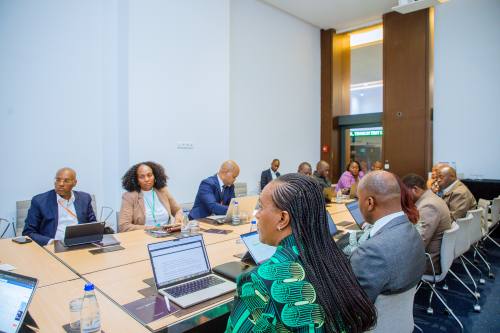
Photos: Government Communication Unit, Ministry of Finance, Abidjan, Côte d’Ivoire.
Participation in the summit also provides Tanzania with an opportunity to exchange policy experiences with other African economies and identify new areas of cooperation in trade, manufacturing and investment promotion.
Positioning Tanzania for continental growth
Held under the theme “Financing Africa’s Industrial Development for Sustainable Growth,” the meeting reflects growing recognition that industrialisation remains essential to creating jobs, increasing exports and reducing dependence on imported manufactured goods.
For Tanzania, participation reinforces its commitment to working with other African nations to develop common solutions to financing constraints while advancing policies that support industrial investment and regional trade. As African governments seek to unlock new sources of capital and fully implement AfCFTA, the decisions emerging from Abidjan are expected to influence the continent’s industrial agenda and shape the investment environment for years to come.