
By Business Insider Reporter
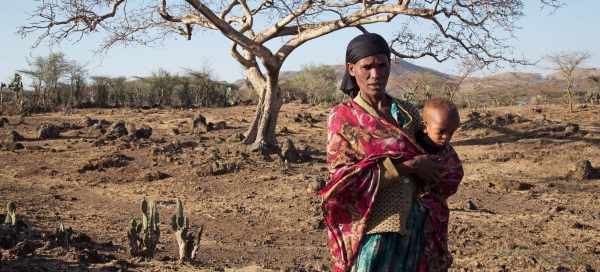
As a strengthening El Niño weather pattern gathers pace, East Africa is once again bracing for a climate shock that could ripple far beyond farms and food supplies, threatening economic growth, trade and livelihoods across the region.
The latest warning from the UN World Food Programme (WFP) paints a sobering picture. By the end of 2027, more than 49 million additional people worldwide could be pushed into acute food insecurity, with East and Southern Africa expected to be among the regions hardest hit.
More than 18 million people across the two regions could see their food security deteriorate – a 26 percent increase from current levels.
For East African economies, the implications extend well beyond humanitarian concerns.
Agriculture remains one of the region’s largest employers and a key source of export earnings, making climate shocks an economic risk capable of slowing growth, fuelling inflation and straining public finances.
The El Niño event is forecast to peak between September and December this year, but its economic consequences are expected to linger well into 2027 as disrupted planting seasons affect future harvests.
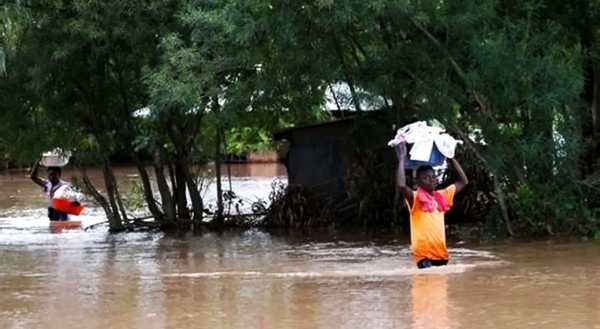
Unlike a conventional drought or flood, El Niño can produce sharply contrasting weather patterns across neighbouring countries. Some areas receive excessive rainfall that damages crops, roads and storage facilities, while others experience prolonged dry spells that reduce agricultural output and livestock productivity.
For countries such as Tanzania, Kenya and Uganda, where millions of households depend on rain-fed agriculture, the timing could hardly be more critical as farmers prepare for key planting seasons.
Lower crop yields would inevitably tighten food supplies, placing upward pressure on prices and increasing the cost of living at a time when governments are working to maintain inflation within target ranges.
Higher food prices also have wider macroeconomic consequences. Central banks may face pressure to tighten monetary policy, household purchasing power could weaken, and businesses dependent on agricultural raw materials may experience rising production costs.
Export-oriented agricultural industries are equally exposed.
East Africa earns billions of dollars annually from commodities including coffee, tea, horticultural products and cereals. Adverse weather conditions could reduce export volumes, narrowing foreign exchange earnings and widening trade deficits.
Livestock producers face a different set of challenges.
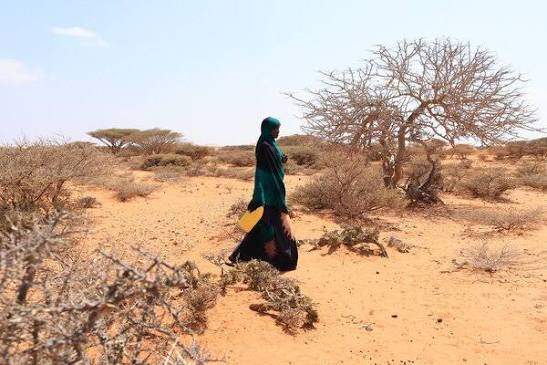
Extended dry conditions often reduce pasture and water availability, lowering animal productivity and increasing mortality rates. Conversely, excessive rainfall can encourage outbreaks of livestock diseases while disrupting transport networks used to move animals to markets.
The tourism sector could also feel indirect effects if flooding damages transport infrastructure or disrupts access to national parks and coastal destinations during peak travel periods.
Recognising the growing threat, WFP and the UN Food and Agriculture Organization (FAO) are urging governments and development partners to shift from emergency response towards anticipatory action.
Since May, WFP has activated early-response programmes in several vulnerable countries, including Uganda and South Sudan, using disaster insurance, digital payments and pre-arranged financing to help communities prepare before disasters strike.
The agency argues that prevention offers a compelling economic return. Every US$1 invested in preparedness can save between US$3 and US$7 in future humanitarian assistance and recovery costs.
For East Africa, the warning comes at a time when governments are investing heavily in irrigation, climate-smart agriculture, improved seed varieties and rural infrastructure as part of broader efforts to strengthen food security and build more resilient agricultural systems.
Tanzania, for example, has expanded irrigation projects and continues promoting clean energy, modern farming technologies and value addition under its long-term development agenda. Yet climate experts caution that adaptation efforts must accelerate as extreme weather events become more frequent and more intense.
The region’s challenge is no longer simply producing more food. It is producing it consistently despite increasingly unpredictable weather.
If El Niño unfolds as forecast, the true test for East Africa will not be the severity of the climate event itself, but how effectively governments, businesses and farming communities convert early warnings into early action. The cost of waiting could be measured not only in failed harvests and humanitarian need, but also in slower economic growth, higher inflation and reduced investment confidence across one of Africa’s fastest-growing regions.