By Correspondent Joseph Mahumi
Tanzania is positioning itself as a strategic gateway for Africa’s infrastructure transformation, with the government signalling a stronger push for partnerships with global investors and development institutions to accelerate projects capable of reshaping the continent’s economic landscape.
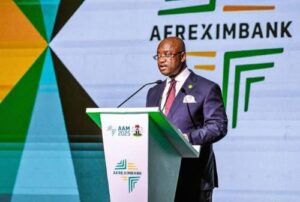
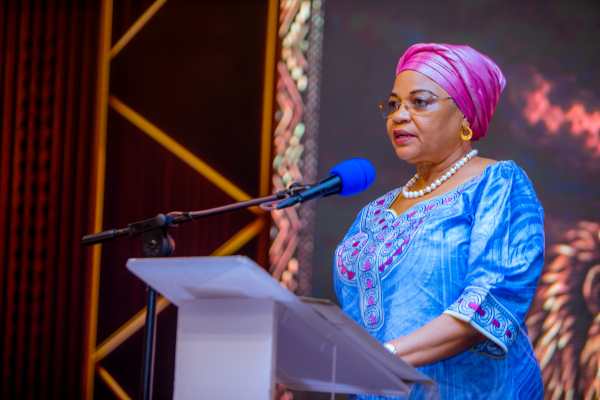
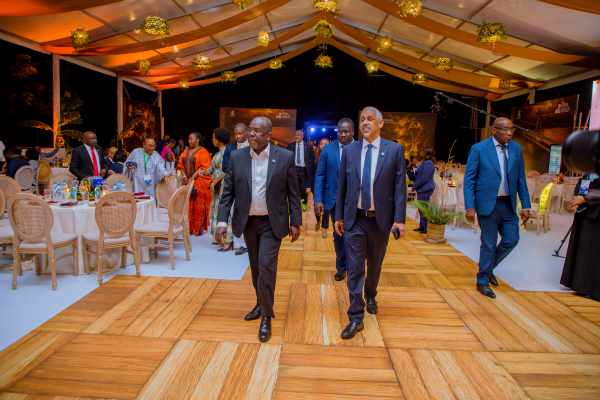
The commitment was outlined by Treasury Registrar General and Permanent Secretary in the Ministry of Finance, Dr. Natu El-Maamry Mwamba, during a gala dinner hosted by the Tanzanian government for delegates attending the Africa50 Annual General Meeting and the Infra for Africa Forum in Dar es Salaam.
Dr Mwamba said Tanzania would continue strengthening strategic cooperation with development partners, investors and multilateral institutions as the country seeks to unlock infrastructure opportunities and contribute to Africa’s long-term economic growth.
The hosting of the high-level meetings in Dar es Salaam, he noted, reflected growing international confidence in Tanzania’s economic potential and its emerging role as a hub for investment, trade and regional connectivity.
“Beyond the technical discussions taking place during these meetings, this evening provides an opportunity to strengthen relationships, build friendships and expand professional networks among participants. For Tanzania, hosting these important international meetings is a great honour,” Dr. Mwamba said.
Infrastructure as Africa’s economic engine
Africa’s infrastructure deficit remains one of the biggest barriers to economic transformation. Limited transport networks, inadequate energy systems, insufficient digital connectivity and gaps in urban infrastructure continue to constrain productivity and trade across the continent.
For Tanzania, the infrastructure agenda has become central to its ambition of becoming a regional logistics and investment hub. The country has invested heavily in strategic projects including railways, ports, energy generation, roads and digital infrastructure, while seeking greater private sector participation through public-private partnerships.
The government’s renewed focus on partnerships reflects a broader shift across Africa, where countries are increasingly turning to blended finance models involving governments, development banks and private investors to fund large-scale projects.
Institutions such as Africa50, an investment platform established to mobilise capital for infrastructure development in Africa, have emerged as key partners in bridging the financing gap facing many African economies.
Dar es Salaam’s growing regional role
The selection of Dar es Salaam as the host city for Africa50’s major gatherings highlights Tanzania’s growing importance in regional infrastructure discussions.
The city is already a critical gateway for several landlocked economies, including Zambia, Malawi, the Democratic Republic of Congo, Rwanda and Burundi, through its port and transport corridors.
Improving infrastructure connectivity around Dar es Salaam and other strategic economic zones could strengthen Tanzania’s position as a regional trade and logistics centre while increasing opportunities for manufacturing, exports and foreign direct investment.
Economic analysts argue that infrastructure investment has a multiplier effect, creating jobs during construction, improving business efficiency and reducing the cost of moving goods and services across borders.
Investor confidence and economic stability
Dr Mwamba also highlighted Tanzania’s social stability and cultural diversity as important factors supporting investor confidence.
He said the country’s more than 120 ethnic communities have continued to coexist peacefully, creating an environment of stability that supports economic activities and attracts international investors.
“Tanzania is proud to share its cultural heritage through music, food and traditions. This culture makes Tanzania a welcoming nation that respects diversity,” he said.
Beyond cultural diplomacy, Tanzania has increasingly used international platforms to market itself as a destination for investment, particularly in infrastructure, energy, agriculture, mining and manufacturing.
Turning dialogue into projects
While forums such as Africa50 and Infra for Africa create opportunities for networking and investment discussions, the key challenge remains converting commitments into bankable projects that deliver measurable economic impact.
Africa’s infrastructure financing gap requires stronger cooperation between governments, financial institutions and private investors to ensure projects are commercially viable and sustainable.
For Tanzania, attracting more infrastructure capital will depend on maintaining policy predictability, strengthening regulatory frameworks and creating investment conditions that encourage long-term private sector participation.
The government believes that partnerships forged through platforms such as Africa50 can help accelerate infrastructure development and support Africa’s broader economic integration agenda.
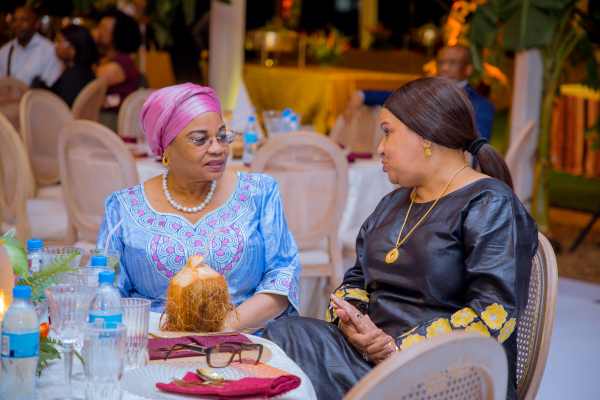
Dr Mwamba encouraged delegates to use the opportunity to develop innovative infrastructure solutions that can transform communities and improve living standards across the continent.
The event was attended by Finance Minister Ambassador Khamis Mussa Omar, Deputy Ministers of Finance Engineer Mshamu Ali Munde and Laurent Luswetula, Permanent Secretary in the President’s Office for Planning and Executive Secretary of the National Planning Commission Dr. Tausi Kida, African Development Bank President and Africa50 Chairman Dr. Sidi Ould Tah, Africa50 Chief Executive Officer Alain Ebobissé, and other regional and international delegates. As Africa seeks to close its infrastructure gap, Tanzania’s message is clear: strategic partnerships, private capital and regional cooperation will be essential pillars in building the infrastructure needed to power the continent’s next phase of economic growth.