
By Mwanamkasi Jumbe, Zanzibar
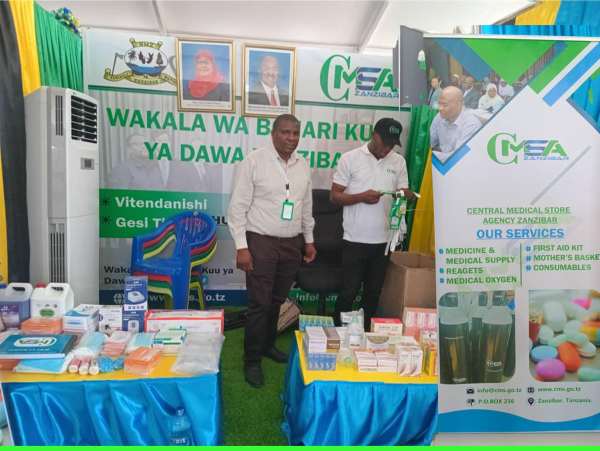
A recent reform in Zanzibar’s health financing model is beginning to reshape the supply of medicines and medical equipment, with the Central Medical Stores Department (CMSA) reporting improved efficiency and reliability following a new funding arrangement with the Zanzibar Health Security Fund (ZHSF).
CMSA Director General, Abdulhalim Mzale, said the shift to direct payments from ZHSF has addressed longstanding bottlenecks linked to delayed disbursements and bureaucratic processes, which previously constrained the timely procurement and distribution of essential medicines across the islands.
Under the new arrangement, ZHSF assumes responsibility for financing medicines and medical equipment through a capitation-based system, enabling CMSA to procure directly from manufacturers and deliver supplies to health facilities without relying on central government budget releases.
“For a long time, access to funds was one of our biggest operational challenges,” Mzale said. “This reform has streamlined the process. With ZHSF paying directly, we are now able to plan procurement more efficiently and ensure consistent availability of supplies.”
The reform, introduced approximately two months ago as part of broader government efforts to strengthen health service delivery in Zanzibar, marks a departure from the previous system where CMSA depended largely on allocations from the Ministry of Health.
That model, officials say, often resulted in delays and administrative complexities that disrupted supply chains.
By contrast, the new framework establishes a more autonomous, contract-based relationship between CMSA and ZHSF, allowing both institutions to operate under defined mandates while improving accountability and service delivery outcomes.
The impact is already being felt across more than 200 health facilities in Unguja and Pemba, where CMSA is responsible for ensuring a steady flow of medicines and medical equipment.
According to Mzale, the agency currently manages monthly supply requirements valued at approximately TSh1.5 billion, with procurement strategies focused on sourcing directly from manufacturers to guarantee quality, affordability, and adequate volumes.
Health sector analysts note that the reform aligns with broader trends across East Africa, where governments are increasingly adopting health insurance and pooled financing mechanisms to improve efficiency in public healthcare systems.
By linking financing directly to service delivery, such models reduce leakages, enhance transparency, and strengthen supply chain performance.
For Zanzibar, the CMSA–ZHSF partnership could serve as a blueprint for further reforms, particularly as demand for healthcare services continues to rise alongside population growth and urbanisation.
Improved access to medicines not only enhances patient outcomes but also reduces out-of-pocket expenses, a key objective in the pursuit of universal health coverage. While still in its early stages, the new funding arrangement signals a shift towards a more responsive and sustainable healthcare supply system – one that positions CMSA as a central player in ensuring reliable access to essential medicines across the islands.