By Correspondent Joseph Mahumi, Mbeya
Tanzania is overhauling the way it finances infrastructure, seeking to end delays in development projects and unlock stronger growth in agriculture, manufacturing and trade.
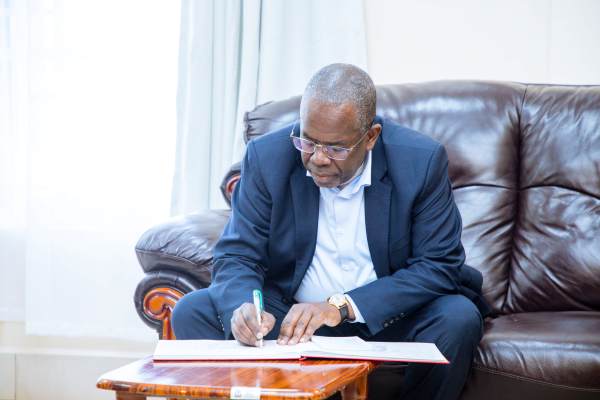
Finance Minister Ambassador Khamis Mussa Omar said the government was putting in place mechanisms to ensure infrastructure projects have a more reliable flow of funding, particularly in the Southern Highlands where agriculture, including tea production, is a major economic activity.
Speaking at the Mbeya Regional Commissioner’s Office at the conclusion of this year’s Nane-Nane celebrations at John Mwakangale grounds, Ambassador Omar said delays in releasing development funds had historically slowed the implementation of roads and other infrastructure projects.
The government is now changing that system.
Under the new arrangement, 70 per cent of revenue collected through designated funds will be channelled directly to those funds instead of passing through the Treasury.
The minister said the approach was already producing results. In July alone, he said, a total of TSh324 billion was released to various development funds, including TSh76 billion transferred directly to the Road Fund.
The arrangement will continue throughout the financial year, he said, helping ensure that infrastructure projects are not stalled by funding shortages.

The government is also exploring alternative financing mechanisms with the financial sector, including infrastructure bonds, to mobilise large amounts of capital upfront.
That could allow major projects to begin or progress without having to wait for domestic revenue to accumulate gradually.
For a country investing heavily in transport, energy, agriculture and industrial infrastructure, the financing shift could have significant economic implications.
Ambassador Omar said roads should be viewed not simply as public works but as economic infrastructure connecting producers to markets.
This is particularly important in the Southern Highlands, where tea and other agricultural commodities are produced on a large scale.
Better roads would reduce transport costs, minimise post-harvest losses and make it easier for farmers and processors to reach domestic and export markets. More reliable transport links could also encourage investment in factories capable of processing agricultural commodities locally, increasing the value captured within Tanzania.
“Better infrastructure will help increase farmers’ productivity and stimulate industries that add value to agricultural products,” Ambassador Omar said, adding that improved transport would open new markets and raise farmers’ incomes.
The government is also tightening oversight of infrastructure projects.
Ambassador Omar warned contractors against unnecessary delays, saying those found failing to honour contractual obligations could face severe sanctions, including being barred from securing future government infrastructure contracts.
He said infrastructure development should not be treated as a political agenda but as an economic response to challenges facing citizens and businesses.
Poor roads in some areas, he noted, continue to constrain productive activities and increase the cost of doing business.
Mbeya Regional Commissioner Beno Malisa said the region was already benefiting from increased government investment in infrastructure.
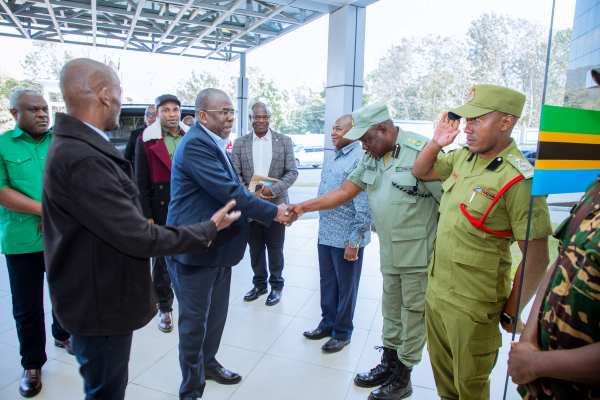
He cited the allocation of more than TSh9 billion towards the construction of the Igawa-Uyole-Songwe-Tunduma four-lane road, describing the project as historic for the region.
The expanded road is expected to improve the movement of people and goods, ease congestion and create new opportunities for businesses and investors along the corridor.
Investment is also being directed towards electricity and water infrastructure.
Mr. Malisa said TANESCO had prepared plans to extend electricity to areas with high demand, including productive zones.
Reliable power could be particularly significant for mining operations in the region, which he said can produce as much as 400 kilogrammes of gold a month.
Improved electricity, water and transport infrastructure, he added, would raise production efficiency while supporting wider economic development in Mbeya. For Tanzania’s Southern Highlands, the infrastructure push is therefore about more than building roads. It is increasingly about creating the logistical and financial backbone needed to move agricultural production, minerals and manufactured goods more efficiently – and to turn the region’s productive potential into broader economic value.