By Business Insider Reporter
Tanzania is intensifying efforts to tackle climate change and environmental degradation as the country faces a rapidly rising waste management challenge that threatens urban sustainability, public health and long-term economic resilience.
The Minister of State in the Vice President’s Office responsible for Union and Environment, Hamad Yussuf Masauni, said Tanzania currently generates between 12 million and 17 million tonnes of solid waste annually, with only a small proportion being recycled.
Speaking in Dar es Salaam during the official government announcement ahead of World Environment Day 2026, the minister warned that the country’s waste burden could nearly quadruple by 2050 if urgent interventions are not implemented.
According to him, annual solid waste generation is projected to rise to between 30 million and 60 million tonnes by 2050, driven by rapid urbanisation, industrial expansion, population growth and changing consumption patterns.
Of the projected waste, between 60 and 75 percent will consist of organic waste, while recyclable materials are expected to account for 10 to 15 percent.
“Every Tanzanian must take action now to ensure that the development we are achieving does not compromise the environment and the wellbeing of future generations,” Mr. Masauni said.
“We must demonstrate genuine commitment through practical action in environmental conservation and climate change mitigation.”
Growing economic pressure
Environmental economists increasingly warn that poor waste management and climate-related risks are becoming major economic concerns for developing economies, particularly fast-growing urban centres.
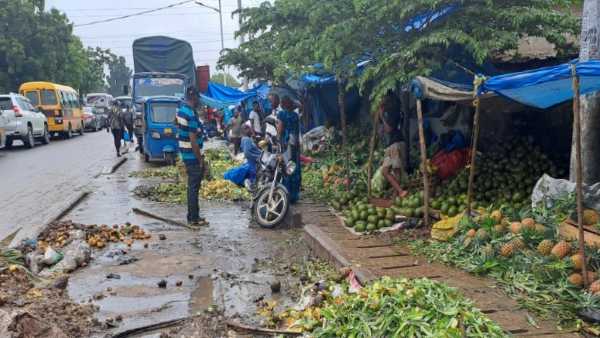
In Tanzania, rising waste volumes are placing mounting pressure on municipal authorities already struggling with inadequate landfill infrastructure, weak recycling systems and limited investment in circular economy industries.
Analysts say failure to address the problem could increase healthcare costs, reduce urban productivity, discourage tourism investment and worsen climate-related disasters such as flooding, especially in rapidly expanding cities including Dar es Salaam, Mwanza and Dodoma.
At the same time, experts argue that the transition toward green growth could unlock major economic opportunities in recycling, renewable energy, carbon trading, green manufacturing and climate-smart infrastructure.
The government’s renewed environmental focus comes as Tanzania prepares to implement its National Development Vision 2050 (Dira 2050), which places environmental sustainability and climate resilience at the centre of long-term economic transformation.
Mr. Masauni noted that the third pillar of the upcoming Dira 2050 framework specifically prioritises environmental protection and climate resilience as strategic national development goals.
Clean energy and forest conservation
The minister said the government continues to strengthen implementation of the 2021 National Environmental Policy through expanded forest conservation programmes, tree planting campaigns and promotion of clean and alternative energy sources.
Tanzania has increasingly accelerated efforts to promote clean cooking energy as part of broader strategies to reduce deforestation and lower greenhouse gas emissions.
The country remains heavily dependent on biomass energy, particularly charcoal and firewood, which continue to contribute significantly to forest degradation and environmental pressure.
Under the Sixth Phase Government, authorities have been promoting liquefied petroleum gas (LPG), renewable energy solutions and clean cooking technologies as part of the national energy transition agenda.
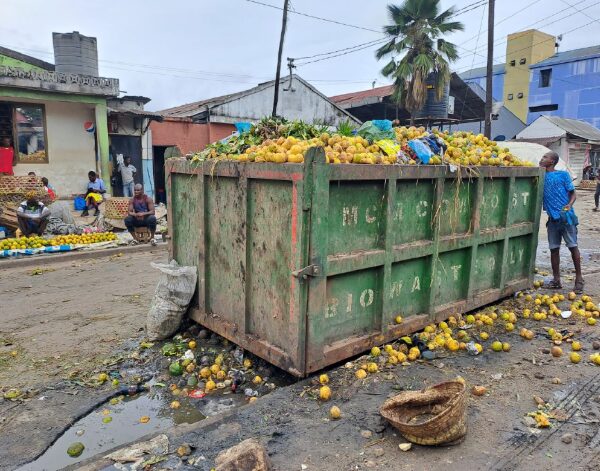
Environmental stakeholders say the shift toward cleaner energy systems could also generate new private sector investment opportunities in green technologies, waste recycling, carbon finance and sustainable urban development.
World Environment Day activities
As part of preparations for World Environment Day celebrations scheduled for June 5, 2026, the government has launched nationwide awareness campaigns focused on tree planting, environmental conservation and increased adoption of clean cooking energy.
Several activities are planned across major cities including Dar es Salaam, Arusha, Dodoma, Mbeya, Mwanza and Tanga.
These will include public clean-up campaigns, large-scale tree planting exercises and environmental awareness programmes involving both government leaders and local communities.
The celebrations will also feature a scientific and environmental research conference as part of activities marking the 40th anniversary of the National Environment Management Council (NEMC).
In addition, the government plans to launch the African Youth Capacity Building Centre on Climate Change, aimed at strengthening youth participation in climate governance, environmental management and international climate negotiations.
The initiative reflects growing recognition that Africa’s youthful population will play a critical role in shaping the continent’s climate adaptation and green growth agenda.
Also present during the announcement were Vice President’s Office Permanent Secretary Richard Muyungi, NEMC Director General Immaculate Sware, and National Carbon Monitoring Centre Chief Executive Officer Kathryn Kigaraba. This year’s global World Environment Day theme is “Taking Action on Climate Change”, focusing on accelerating efforts to reduce greenhouse gas emissions, expand renewable energy adoption and strengthen resilience against climate impacts.