
By Business Insider Reporter
Tanzania has set its sights on South Korea as it intensifies efforts to diversify its tourism markets and accelerate progress towards its ambitious target of attracting eight million international visitors a year by 2030.
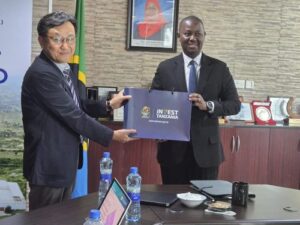
The latest push, led by the Minister for Natural Resources and Tourism, Dr. Ashatu Kijaji (pictured above), reflects a broader shift in the country’s tourism strategy – one that places greater emphasis on high-value travellers from Asia while broadening Tanzania’s appeal beyond its globally renowned wildlife destinations.
Dr. Kijaji’s visit to Busan, where she attended the 48th UNESCO World Heritage Committee Session, became more than a diplomatic engagement. It evolved into a strategic marketing mission aimed at positioning Tanzania in one of Asia’s wealthiest outbound tourism markets, where travellers are increasingly seeking immersive cultural experiences alongside nature-based holidays.
For years, Tanzania’s tourism industry has relied heavily on visitors from Europe and North America. While these markets remain important, government officials increasingly recognise that future growth will depend on tapping into rapidly expanding Asian economies, where disposable incomes and international travel have grown steadily over the past decade.
South Korea represents one of those untapped opportunities.
During meetings with Tanzania’s Ambassador to South Korea, Noel Kaganda, Dr. Kijaji called for diplomatic missions to take on a more commercial role by actively promoting Tanzania as a tourism destination.
The approach reflects the government’s growing emphasis on economic diplomacy, with embassies expected to support trade, investment and tourism promotion rather than limiting their work to traditional diplomatic functions.
The Tanzanian mission in Seoul has pledged to work closely with the Tanzania Tourist Board (TTB) to roll out targeted promotional campaigns designed specifically for South Korean travellers.
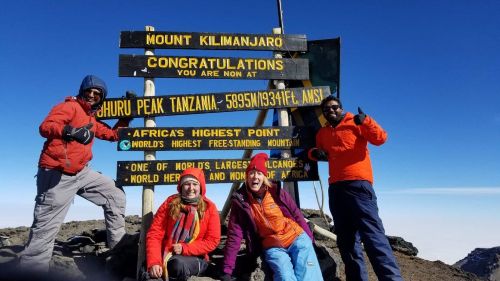
Rather than relying solely on images of the Serengeti’s great migration or Mount Kilimanjaro, the campaign will highlight the country’s rich archaeological heritage, ancient coastal settlements and UNESCO-recognised cultural landscapes.
The strategy acknowledges an important shift in global travel preferences.
Today’s high-spending Asian travellers are increasingly looking for destinations that combine wildlife, history, culture and authentic local experiences in a single itinerary. Tanzania believes it is uniquely positioned to offer that combination.
The country is already home to some of Africa’s strongest tourism brands, including the Serengeti National Park and the Ngorongoro Conservation Area. However, officials believe these iconic attractions alone will not be sufficient to achieve the government’s long-term visitor targets.
Instead, Tanzania is seeking to showcase lesser-known historical assets, including archaeological sites and centuries-old trading settlements that tell the story of East Africa’s role in global commerce.
Such diversification could deliver significant economic benefits.
Longer visitor stays generally translate into higher spending on accommodation, domestic transport, cultural attractions and local businesses. This not only strengthens tourism revenues but also generates employment across hospitality, aviation, transport and conservation sectors.
The timing is particularly significant as East Africa’s tourism destinations compete more aggressively for affluent visitors from Asia.
Kenya has also intensified marketing efforts across the region, recognising the growing importance of travellers from South Korea, Japan and China. Competition is no longer centred solely on wildlife but on offering broader travel experiences capable of extending visitor stays and increasing expenditure.
For Tanzania, success in South Korea would strengthen foreign exchange earnings while supporting the government’s wider economic growth agenda, which identifies tourism as one of the country’s leading sources of export revenue.
Dr Kijaji’s visit also carried another important objective: safeguarding Tanzania’s natural heritage.
On the sidelines of the UNESCO committee session, she held discussions with conservation advisory bodies responsible for overseeing World Heritage Sites.
The talks addressed concerns surrounding infrastructure development in protected areas, particularly proposals to pave sections of road linking the Ngorongoro Conservation Area with the Serengeti.
The government argued that the planned improvements are intended to improve climate resilience rather than expand tourism infrastructure.
According to the ministry, hard-surfaced roads would reduce repeated damage caused by increasingly intense rainfall, lower maintenance costs and ensure reliable access for tourists without compromising conservation objectives.
Balancing infrastructure development with environmental protection has become one of the defining challenges facing destinations seeking to grow tourism sustainably.
For Tanzania, maintaining UNESCO confidence is crucial. World Heritage recognition remains one of the country’s strongest marketing assets, helping attract international travellers while reinforcing its reputation for responsible conservation.
The government’s outreach in South Korea therefore represents more than another overseas promotional campaign. It signals a deliberate attempt to reposition Tanzania within the increasingly competitive global tourism market.
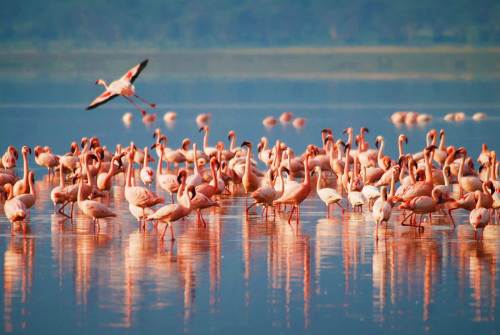
Reaching eight million annual visitors by 2030 will require more than expanding airline connections or increasing marketing budgets. It will depend on convincing travellers that Tanzania offers a richer and more diverse experience than a traditional safari alone.
If the partnership between Tanzania’s embassy in Seoul and the Tanzania Tourist Board succeeds, the rewards could extend well beyond the tourism industry. Hotels, tour operators, airlines, transport companies, cultural enterprises and conservation programmes all stand to benefit from a larger share of Asia’s expanding travel market. In a fiercely contested regional tourism landscape, winning the attention of South Korean travellers could prove to be one of Tanzania’s most valuable investments in its long-term economic future.