By Business Insider Reporter
The government has intensified efforts to strengthen healthcare delivery and institutional governance in the health sector with the inauguration of a new Board of Trustees for Benjamin Mkapa Hospital (BMH).
The move signals a renewed strategic push to elevate the now 10-year-old facility – already emerging as a key driver of Tanzania’s ambition to position itself as a regional medical tourism hub – into a fully-fledged national hospital, with expanded capacity to deliver advanced and super-specialised care.
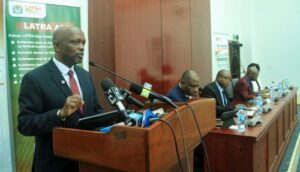
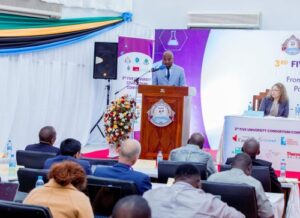
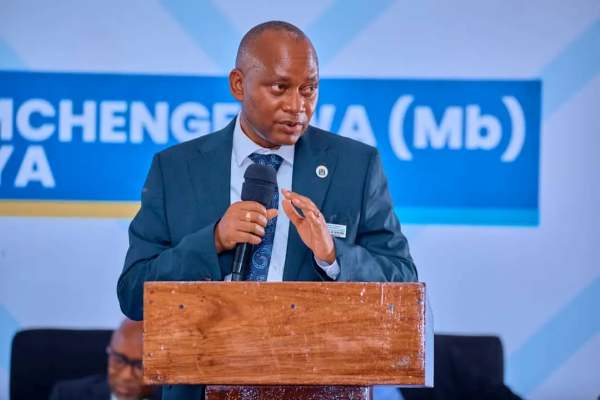
Minister for Health, Mohammed Mchengerwa, officially inaugurated the Second Board of BMH on April 22, 2026, in Dodoma, just days after announcing its formation in line with the hospital’s 2015 charter.
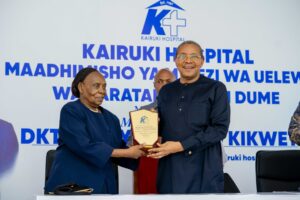
The move follows the re-appointment of Prof. Edward Hosea as Board Chairperson by President Samia Suluhu Hassan, underscoring high-level political backing for reforms at one of Tanzania’s key referral hospitals.
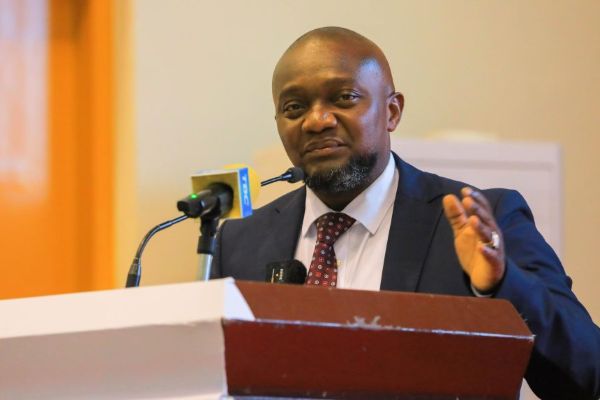
The newly constituted board includes Prof. Lilian Teddy Msele, Dr. Bashiri Juma Nyangasa, Dr. Shakilu Jumanne Kayungo, Dr. Baraka Jeremiah Nzobo and Dr. Seif S. Rashid.
According to the Ministry of Health, the appointments are part of broader efforts to strengthen institutional leadership, improve governance, and enhance the quality of healthcare services nationwide.
Speaking during the inauguration, Mr. Mchengerwa reaffirmed the government’s ambition to transform BMH into a fully-fledged national hospital, capable of delivering all specialized and super-specialized medical services in Dodoma.
“This means ensuring that the full spectrum of advanced healthcare services is available locally,” he said, a move expected to reduce referrals abroad and position Tanzania as a regional hub for high-end medical care.
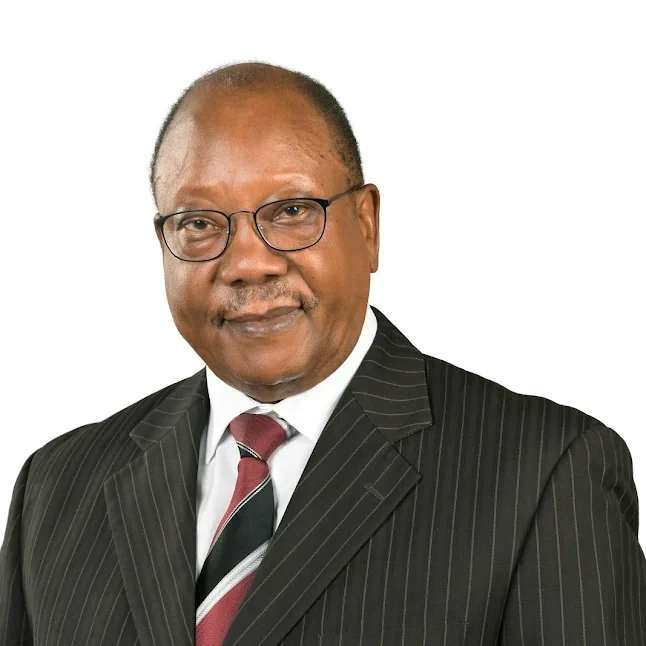
Benjamin Mkapa Hospital, a major public referral facility, already offers 20 specialised and 17 super-specialised services, according to its Executive Director, Prof. Abel Makubi.
He attributed this progress to sustained government investment in the health sector, describing it as a clear indication of the state’s commitment to expanding access to quality healthcare.
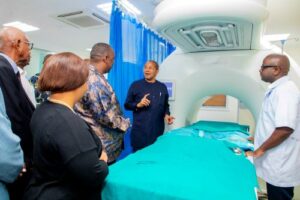
The hospital is also advancing key infrastructure projects, including a cancer treatment centre that has reached approximately 68 percent completion – an investment expected to significantly boost the country’s capacity to manage non-communicable diseases.
However, despite these gains, the new board inherits a number of operational challenges. Board Chairperson Prof. Hosea revealed that the hospital is owed about TSh 14.39 billion in outstanding payments from various stakeholders, a situation that continues to constrain service delivery and investment in medical equipment and other supplies.
In addition, the hospital faces a staffing gap of 144 personnel, highlighting ongoing human resource constraints in the health sector.
Even so, the board is expected to drive innovation in service delivery. Among the initiatives launched alongside the new leadership is a mobile clinic vehicle designed to expand outreach services, particularly in underserved and remote communities. The initiative is seen as a practical step toward improving early diagnosis and advancing Tanzania’s universal health coverage agenda.
Health sector analysts say the formation of the new board marks a transition for BMH from its foundational phase into a more mature, performance-driven institution. With stronger governance structures in place, the hospital is expected to enhance accountability, operational efficiency, and long-term strategic planning.
More broadly, the developments at BMH reflect the government’s continued prioritization of healthcare as a pillar of socio-economic development – aligning with national ambitions to build resilient institutions and improve public service delivery. As the new board begins its tenure, attention will be on how effectively it navigates financial and staffing constraints while accelerating the hospital’s transformation into a national centre of excellence in specialised healthcare.