By Business Insider Reporter, Dodoma
Tanzania is accelerating efforts to unlock the economic potential of its vast mineral resources, with renewed government pressure to fast-track the Mahenge graphite project in Morogoro – a development that could position the country at the centre of the global clean energy supply chain.
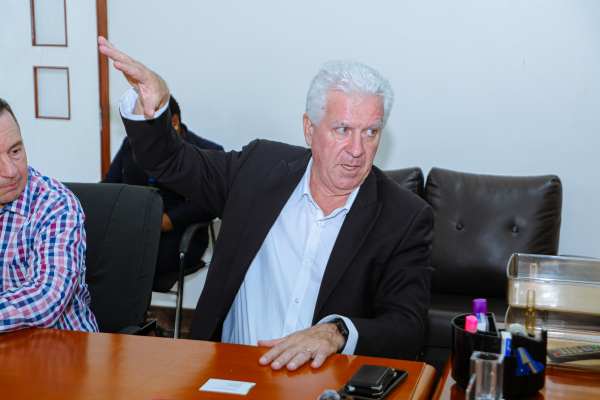
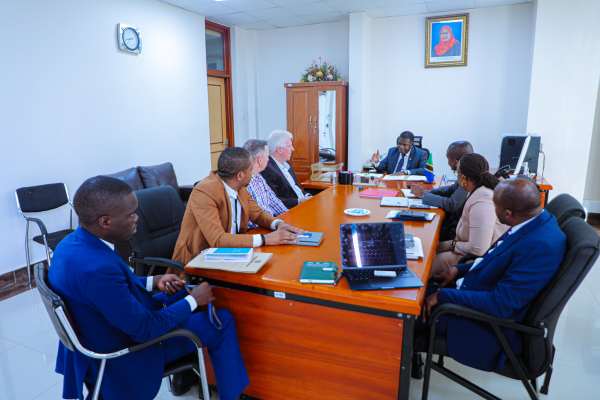
The call was made by Deputy Minister for Finance, Mshamu Ali Munde, during high-level talks with executives from Faru Graphite Corporation Limited. The meeting signals growing urgency within government to ensure that large-scale mining investments translate into tangible economic benefits within defined timelines.
Strategic urgency amid global demand
Graphite has rapidly emerged as one of the world’s most strategic minerals, driven by its critical role in lithium-ion batteries used in electric vehicles (EVs), renewable energy storage systems, and advanced electronics.
As global economies accelerate decarbonisation efforts, demand for graphite is projected to rise sharply over the next decade.
Against this backdrop, Tanzania – already endowed with significant graphite deposits – has a unique opportunity to move beyond raw extraction and establish itself as a key player in the global value chain.
The Mahenge project is widely regarded as one of the country’s flagship ventures in this space. Government officials view it not merely as a mining project, but as a catalyst for industrialisation, export growth, and technological integration.
Financing and execution in focus
At the heart of the government’s directive is the need to expedite financing arrangements. Authorities have urged the developer to conclude capital mobilisation within agreed timelines to enable immediate project implementation.
This emphasis reflects a broader policy shift in Tanzania’s extractive sector – from licence allocation to execution and value realisation. Delays in project rollout have historically constrained the sector’s contribution to GDP, export earnings, and employment.
Officials reiterated that while government support remains firm, investors must adhere to strict standards on transparency, compliance, and collaboration with regulatory authorities.
Economic multiplier effects
Once operational, the Mahenge graphite project is expected to deliver wide-ranging economic benefits. These include job creation, expansion of local supply chains, increased foreign exchange earnings, and enhanced fiscal revenues through government participation.
Crucially, the project is aligned with Tanzania’s industrialisation agenda. By strengthening the graphite value chain – from mining to potential downstream processing – the country aims to reduce its reliance on raw mineral exports and capture greater value domestically.
This ambition mirrors broader continental trends, where African resource-rich nations are increasingly seeking to localise processing and manufacturing activities linked to critical minerals.
Local content and inclusive growth
A key pillar of the project is its local content framework. The government has made it clear that Tanzanian businesses and workers must play a central role in the project’s execution.
Under existing agreements, at least 30 percent local participation is required in areas where foreign expertise or services are involved. This policy is designed to ensure skills transfer, enterprise development, and broader economic inclusion.
Such provisions are increasingly seen as essential in ensuring that large-scale investments generate sustainable, long-term benefits beyond immediate financial returns.
Positioning in the global energy transition
From a strategic standpoint, the Mahenge project places Tanzania within a rapidly evolving geopolitical and economic landscape shaped by the global energy transition.
Countries are scrambling to secure reliable supplies of critical minerals, and Africa is emerging as a key frontier. Tanzania’s graphite reserves, alongside its improving investment climate, give it a competitive edge in attracting international capital.
Industry stakeholders note that successful execution of projects like Mahenge could enhance investor confidence, paving the way for further investments in battery minerals such as lithium, nickel, and rare earth elements.
Balancing growth and governance
However, experts caution that realising these opportunities will depend on strong governance, regulatory efficiency, and infrastructure readiness. Mining projects of this scale require robust environmental safeguards, reliable energy supply, and efficient logistics networks.
The government’s emphasis on compliance and oversight suggests an awareness of these challenges, as it seeks to balance rapid development with sustainable resource management.
A defining moment for Tanzania’s mining sector
The renewed push on the Mahenge graphite project underscores a broader transformation underway in Tanzania’s mining sector – one that prioritises value addition, local participation, and integration into global industrial value chains.
If successfully implemented, the project could mark a turning point, shifting Tanzania from a traditional exporter of raw minerals to a strategic supplier in the global clean energy economy. As the race for critical minerals intensifies, Tanzania’s next moves – particularly in executing high-impact projects like Mahenge – will determine how effectively it converts resource wealth into long-term economic prosperity.