By Business Insider Reporter
A proposed 650,000 barrels-per-day refinery expansion into East Africa by Aliko Dangote – Africa’s richest man – is emerging as a potentially transformative development for Tanzania’s long-term energy strategy, reinforcing the country’s ambition to become a regional energy hub.
The plan, unveiled during a high-level investment forum in Nairobi, aligns closely with ongoing regional discussions involving Tanzania, Kenya and Uganda to establish a joint refining facility in the northern port city of Tanga.
Though Tanzania did not atend the session which ends today, for the country the implications stretch far beyond fuel production, touching on energy security, industrialisation, and regional trade integration.
At the core of Tanzania’s energy policy is the need to reduce reliance on imported refined petroleum products, a dependency that has historically exposed the economy to global price volatility and foreign exchange pressures.
A large-scale refinery within its borders would significantly alter this dynamic. By processing crude oil sourced from regional producers such as the Democratic Republic of Congo and South Sudan, Tanzania would position itself as a central node in East Africa’s petroleum value chain.
This shift is particularly important as the country accelerates implementation of major energy infrastructure projects, including the East African Crude Oil Pipeline (EACOP), which is expected to transport crude oil from Uganda to Tanzania’s coastline.
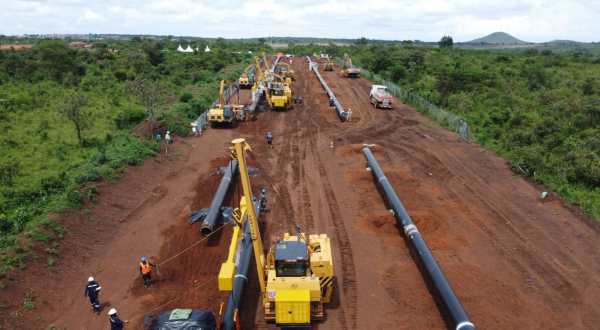
A domestic refining capacity of this scale would complement such investments, ensuring that downstream value addition takes place within the region rather than abroad.
Beyond energy security, the refinery project could catalyse industrial growth. Refining operations typically stimulate the development of petrochemical industries, logistics networks, and manufacturing ecosystems.
For Tanzania, this aligns with its broader industrialisation agenda under national development frameworks, which prioritise value addition and export diversification.
The economic implications are equally significant. Reduced import bills for refined fuel would ease pressure on the country’s balance of payments, while export potential to neighbouring markets could generate new foreign exchange earnings.
In addition, large-scale infrastructure investments tend to attract auxiliary financing, creating opportunities for local and international investors to participate in Tanzania’s energy transition.
Crucially, the project dovetails with Tanzania’s ambition to strengthen regional integration through energy cooperation. The proposed refinery in Tanga, supported by a planned pipeline link from Mombasa, reflects a growing recognition among East African nations that shared infrastructure can unlock economies of scale and improve competitiveness.
For Tanzania, hosting such a facility would enhance its geopolitical and economic standing within the East African Community.
From a policy perspective, the development also underscores the importance of public-private partnerships in delivering capital-intensive projects.
Dangote’s proposal highlights the role of private capital and technical expertise in bridging financing gaps that governments alone may struggle to address. For Tanzania, creating a conducive investment climate – through regulatory clarity, fiscal incentives, and infrastructure readiness – will be critical to turning this opportunity into reality.
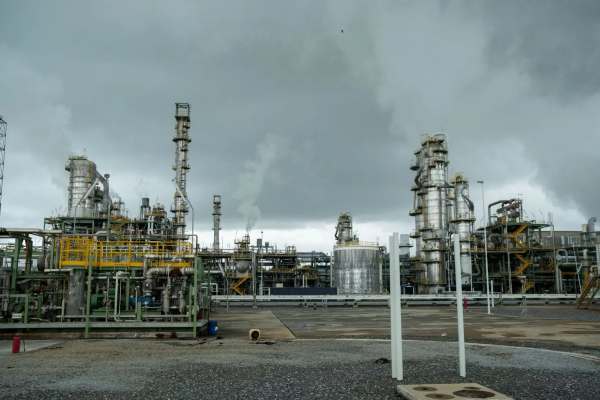
However, the project’s success will depend on several factors, including regional coordination, financing structures, and long-term demand projections.
The global energy transition, which is gradually shifting towards cleaner sources, also raises questions about future fuel demand. Nonetheless, in the medium term, petroleum products remain central to East Africa’s economic growth, particularly in transport, manufacturing, and construction.
If realised, the refinery could be delivered within four to five years, marking a significant milestone in Tanzania’s energy journey.
More importantly, it would signal a strategic pivot from being a fuel importer to a value-adding energy player, capable of shaping regional supply dynamics. In that context, Dangote’s expansion plan is not merely an investment proposal – it is a catalyst that could accelerate Tanzania’s transition towards energy self-sufficiency, industrial resilience, and regional leadership in the petroleum sector.