
By Business Insider Reporter
Dar es Salaam is set to host one of Africa’s largest agricultural trade and investment gatherings in September 2026, reinforcing Tanzania’s growing role as a strategic gateway for agribusiness, food processing and agricultural technology investment in East and Central Africa.
The 10th Jubilee edition of the Africa Agri Expo, organised by TAB Group, will take place from September 2–3, 2026 alongside the 3rd Future Food Livestock & Poultry Expo, bringing together investors, agribusiness firms, policymakers, technology providers, development institutions and commercial farmers from across the globe.
After nine editions, the expo has evolved from a regional agricultural exhibition into a major continental business platform linking global capital, innovation and trade opportunities to Africa’s fast-growing food economy.
Africa’s agriculture market draws global attention
The event comes at a time when Africa is increasingly being viewed as the world’s next major agricultural growth frontier.
The continent holds more than 60 percent of the world’s uncultivated arable land, while rapid urbanisation, population growth and changing consumption patterns are driving demand for food production, processing and logistics infrastructure.
According to industry analysts, Africa’s agri-food market is projected to expand significantly over the next two decades, creating opportunities across mechanisation, irrigation, fertiliser production, digital agriculture, cold-chain logistics and food processing.
Against this backdrop, Tanzania is emerging as one of the region’s most strategically positioned agricultural economies.
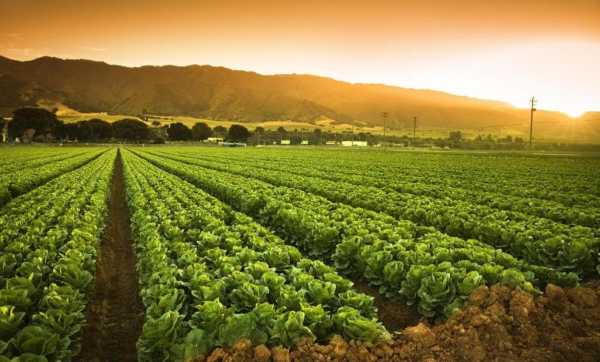
With vast fertile land, improving transport infrastructure, expanding port connectivity and ongoing investment in logistics corridors such as the Standard Gauge Railway (SGR), the country is increasingly attracting attention from agribusiness investors seeking access to regional markets.
Dar es Salaam, in particular, is becoming an important commercial gateway connecting East, Central and Southern Africa.
More than an exhibition
Organisers say the 2026 edition will go beyond traditional exhibitions, positioning itself as a high-level business and investment forum for the agriculture value chain.
The event is expected to feature live demonstrations, technology showcases and product launches spanning crop production, precision farming, irrigation systems, post-harvest solutions, agricultural machinery, agri-inputs and digital farming platforms.
The co-located livestock and poultry expo will focus on animal nutrition, veterinary technologies, breeding systems, cold-chain infrastructure, food processing and commercial livestock production.
“This is no longer simply a regional exhibition. It has become a global platform anchored in one of the world’s most promising agricultural markets,” organisers said in a statement.
The expo is also expected to attract international agritech companies, equipment manufacturers, seed producers, fertiliser firms, commodity traders and financial institutions exploring expansion opportunities within African markets.
Investment and policy dialogue
A major feature of the expo will be high-level conference sessions addressing some of the most pressing issues facing African agriculture and food systems.
Topics expected to dominate discussions include climate-smart agriculture, food security, agricultural financing, value addition, supply-chain resilience and youth participation in agribusiness.
Industry leaders say such platforms are becoming increasingly important as governments and private investors seek solutions to rising food demand, climate volatility and disruptions in global commodity markets.
The event is also expected to create networking opportunities for local enterprises seeking strategic partnerships, technology transfer and export market access.
According to organisers, businesses attending the expo will have direct engagement with buyers, distributors, policymakers and investors under one roof – a dynamic increasingly positioning the event as both a trade fair and investment marketplace.
Tanzania’s agribusiness ambitions
The choice of Tanzania as host reflects the country’s rising profile in regional agricultural transformation.
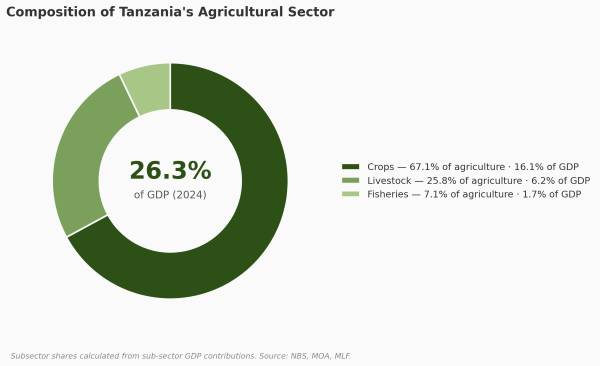
Agriculture remains one of Tanzania’s largest economic sectors, employing the majority of the population and contributing significantly to exports, industrial raw materials and food security.
In recent years, the government has intensified efforts to modernise the sector through irrigation expansion, fertiliser reforms, agro-processing investment and improvements in rural infrastructure.
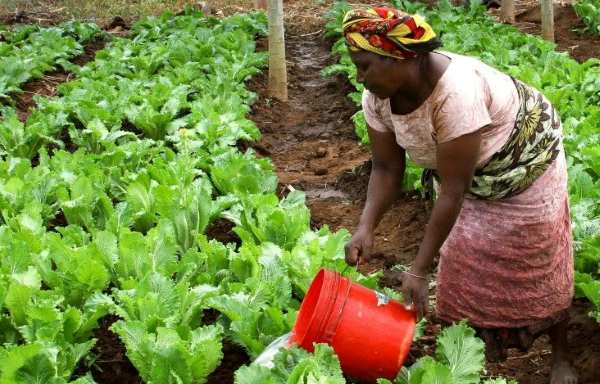
At the same time, private sector participation in commercial farming, logistics and food processing is steadily increasing.
TAB Group Chief Executive Officer, Tahir Abdul Bari, described Africa as “the market of today” and urged global agribusinesses to deepen their engagement with the continent.
“The businesses that establish relationships in Africa today will define the next decade of global agri-food trade,” he said.
Expanding continental influence
Organisers say the 2026 edition will feature a significantly larger exhibition space, broader international participation and expanded business matchmaking sessions compared to previous years.
This expansion reflects growing global interest in Africa’s agricultural economy, particularly as countries seek to diversify food supply chains and invest in sustainable production systems.
For Tanzania, hosting such a large-scale agribusiness gathering represents more than an events milestone. It reinforces the country’s broader ambition to position itself as a regional hub for agricultural trade, investment and value-added food production. As Africa’s agricultural transformation accelerates, Dar es Salaam is increasingly becoming one of the key meeting points where global capital, technology and agribusiness strategy converge.