By Business Insider Reporter
Vodacom Tanzania is pushing the country’s digital economy agenda beyond network expansion, arguing that the next challenge is to convert growing connectivity into wider smartphone adoption, digital services and measurable economic value.
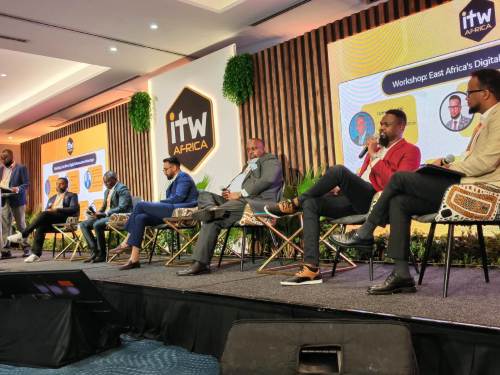
The message emerged at the ITW & Datacloud Africa 2026 forum in Nairobi early this month, where Vodacom executives highlighted the need for a more integrated digital ecosystem linking fibre, mobile networks, cloud computing, data centres, artificial intelligence (AI) and reliable energy.
The new challenge is particularly evident in Tanzania’s digital infrastructure-adoption gap. Broadband coverage has reached 94 percent, but smartphone penetration stands at just 44.7 percent, according to Andrew Lupembe, Network Director at Vodacom Tanzania.
The disparity points to the next frontier of digital transformation: moving from connecting people to enabling more consumers, businesses and institutions to actively use digital infrastructure to create economic value.
“Connectivity is everything,” said Nguvu Kamando, Director, Vodacom Business, describing connectivity as the foundation of Africa’s digital transformation.
But he said the greater opportunity lies in what businesses and institutions build on top of that foundation – from digital platforms and cloud services to data-driven operations and AI-powered solutions.

Mr. Kamando said technology providers must increasingly move beyond infrastructure to develop sector-specific solutions that address practical needs in areas such as agriculture, healthcare, mining and education.
AI, he added, presents opportunities to improve operational efficiency, network performance, cybersecurity and decision-making, while its deployment must remain responsible, secure and inclusive.
The shift towards a broader digital ecosystem also creates significant infrastructure and investment opportunities.
Aashiq Shariff, Managing Director of Fast Fibre, said Africa’s digital economy is increasingly extending into peri-urban and rural areas, creating demand for investment that takes fibre infrastructure closer to users and businesses.
He called for greater regulatory clarity, fewer barriers to infrastructure development, stronger regulatory harmonisation and better alignment of tax regimes.
Mr Shariff also argued that East Africa should increasingly be viewed as an interconnected digital market as businesses and digital services increasingly operate across national borders.
For Tanzania, this expands the digital investment conversation beyond telecommunications to the wider infrastructure needed to support cloud computing, data-intensive applications, AI and 5G-enabled services.
Mr. Lupembe said Vodacom Tanzania is now in the second phase of its network revitalisation programme, focused on ensuring that its network incorporates the latest technologies while delivering high-quality service.
He also identified data centres as critical components of Africa’s digital future, noting that their growth will depend on access to reliable and increasingly sustainable energy.
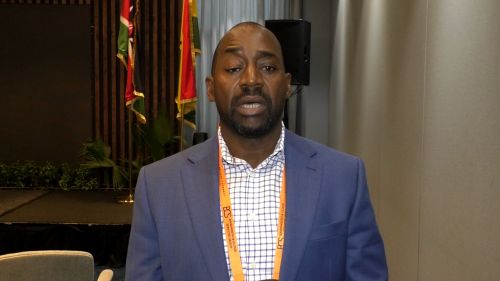
“Energy, fibre, mobile networks, data centres, subsea cables and cloud infrastructure must work together,” Mr. Lupembe said.
That integrated approach is becoming increasingly important as businesses, governments and consumers rely more heavily on digital platforms and services.
The Nairobi discussions therefore point to a broader transformation in Africa’s digital economy: the central question is no longer simply how to connect more people, but how to turn connectivity into economic value. For Tanzania, this means linking digital infrastructure and technology investment more closely to businesses, public services and communities – creating the conditions for greater productivity, competitiveness, innovation and sustainable economic growth.