By Peter Nyanje, Dodoma
As missiles fly across the Middle East and geopolitical tensions redraw global trade routes, many countries find themselves under pressure to pick a side.
Tanzania is choosing a different path, the Minister oif State in the Prfesident’s office dealing with Planning and Investmnents, Prof. Kitila Mkumbo has said.
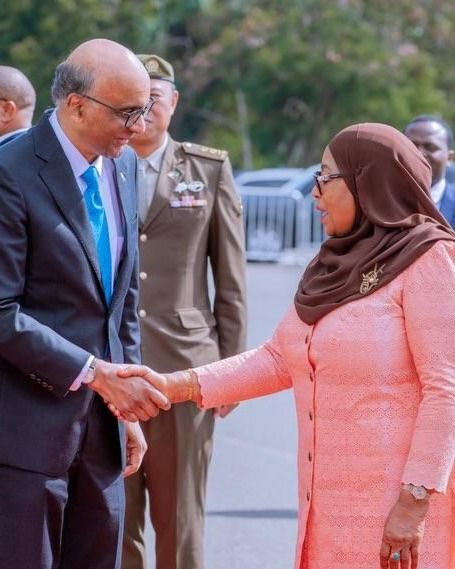
At a time when strategic rivalries are shaping investment decisions, supply chains and international partnerships, Prof. Mkumbo said the government is pursuing what it describes as a pragmatic foreign policy built on partnerships rather than alliances. The message is simple: Tanzania will be friends with everyone and enemies of none.
“It is a philosophy that President Samia Suluhu Hassan has championed since taking office in 2021 through her policy of reopening Tanzania to the world, rebuilding diplomatic relationships and strengthening economic cooperation across multiple regions simultaneously,” he stressed when tabling the national economy overview for 2025 and plans for 2026/27 financial year.
For investors, this approach may be becoming one of the country’s most valuable assets.
A world growing more divided
The global economy is entering one of its most uncertain periods in decades.
The war in Ukraine continues to disrupt commodity markets. Trade tensions between major powers remain unresolved. Meanwhile, the escalating confrontation involving Iran, Israel and the United States has raised concerns over the stability of one of the world’s most important energy corridors.
The consequences are already being felt far beyond the Middle East.
Oil prices have become increasingly volatile. Fertiliser costs have come under pressure. Shipping companies are reassessing routes. Global investors are becoming more cautious about where they deploy long-term capital.
Prof. Mkumbo said for import-dependent economies, such shocks present obvious risks. But Tanzania believes they may also create opportunities.
Government planners argue that the country’s diplomatic posture, geographic location and expanding infrastructure network place it in a unique position to benefit from changing global trade patterns.
The strategy is rooted in a simple principle: while global powers compete, Tanzania intends to remain open for business with all of them.
The rise of strategic pragmatism
Unlike many countries that have aligned themselves firmly with particular geopolitical blocs, Tanzania is increasingly pursuing what analysts describe as strategic pragmatism.
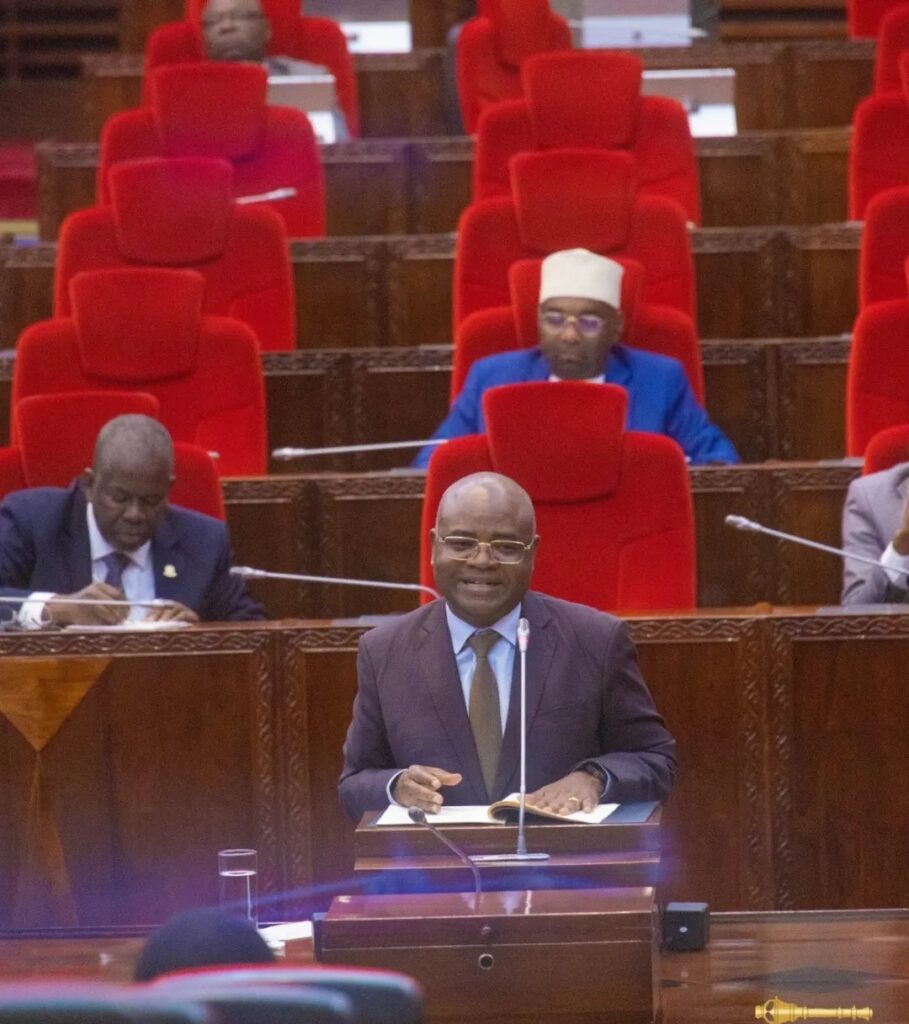
“The approach seeks to maximise economic opportunities regardless of where they originate,” Prof. Mkumbo told the Parliament.
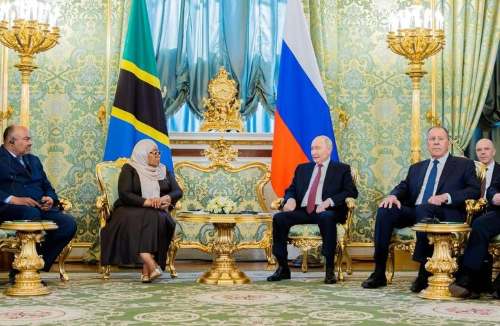
In recent years, Tanzania has strengthened ties with China while simultaneously expanding relations with the United States and Europe. It has deepened engagement with Gulf nations, India, Türkiye and emerging Asian economies, while maintaining its traditional role within regional blocs such as the East African Community and the Southern African Development Community.
The government’s position is that development should not be constrained by geopolitical rivalries.
Instead, officials have repeatedly emphasised that investment, trade and technology transfer should be welcomed from any partner willing to contribute to Tanzania’s economic transformation.
For a country embarking on Dira 2050, this flexibility could prove invaluable.
Betting on Tanzania as a safe harbour
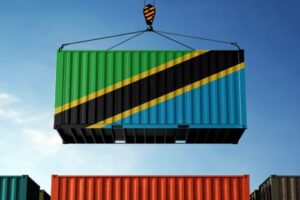
One of the more intriguing opportunities emerging from the Gulf crisis relates to shipping and logistics.
As instability increases around parts of the Middle East, shipping operators are searching for reliable alternative routes and logistics centres.
Tanzania’s leadership sees an opportunity to strengthen the country’s position as a regional gateway serving East and Central Africa.
Over the past five years, the government has invested heavily in strategic infrastructure designed precisely for that purpose.
The Standard Gauge Railway linking Dar es Salaam to the interior is gradually transforming regional transport networks. Major investments have expanded port capacity. New road corridors are connecting production zones to markets. The Julius Nyerere Hydropower Project has significantly increased electricity generation capacity.
Together, these investments are laying the groundwork for Tanzania to position itself as a stable logistics and industrial hub in a turbulent global environment.
For international businesses looking for a politically stable base from which to serve multiple African markets, that proposition is becoming increasingly attractive.
Energy security as a competitive advantage
Tanzania’s vast natural gas reserves are also gaining renewed strategic significance.
While many countries remain vulnerable to fluctuations in international energy markets, Tanzania possesses substantial domestic gas resources capable of supporting industrial development and power generation.
The long-awaited liquefied natural gas (LNG) project in Lindi remains one of the most important pillars of the country’s long-term economic strategy.
If developed successfully, the project could transform Tanzania into a significant energy exporter while providing the reliable energy supplies needed to attract manufacturing investment.
“In an era when energy security has become a central concern for businesses worldwide, this resource base could offer Tanzania an important competitive advantage,” Prof. Mkumbo said.
Investors increasingly evaluate countries not only on labour costs and market size but also on their ability to provide reliable and affordable energy.
Tanzania’s gas reserves may therefore become as important to its future competitiveness as its ports, railways and roads.
The investment opportunity
The government’s optimism is not entirely without evidence.
Investor confidence has been strengthening.
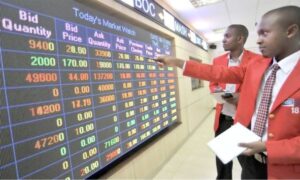
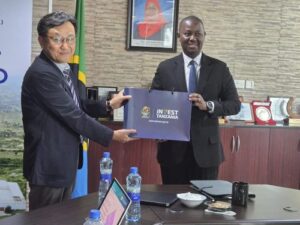
In 2025, the Tanzania Investment and Special Economic Zones Authority (TISEZA) registered a record 915 projects worth US$10.95 billion, the highest level recorded since investment promotion efforts began in the 1990s. Those projects are expected to create more than 162,000 jobs.
Foreign direct investment inflows have also continued to rise, reflecting growing confidence in Tanzania’s economic outlook.
For many investors, political predictability and diplomatic stability are becoming increasingly important considerations.
In that respect, Tanzania’s refusal to become entangled in global rivalries may prove to be more than a diplomatic choice.
It may become an economic advantage.
The new currency of stability
For much of the past decade, investors seeking emerging market opportunities focused on growth rates, consumer markets and natural resources.
Today, stability has become just as valuable.
In an increasingly fragmented world, countries capable of maintaining constructive relationships across competing geopolitical camps may enjoy a significant advantage in attracting investment.
That appears to be the calculation behind Tanzania’s strategy.
Rather than allowing international tensions to dictate its economic relationships, the country is positioning itself as a neutral platform where capital, trade and investment from different parts of the world can converge.
Whether that strategy succeeds will depend on continued reforms, infrastructure delivery and policy consistency.
But one thing is already becoming clear. In an age of global uncertainty, Tanzania is attempting to turn neutrality into a business model.