
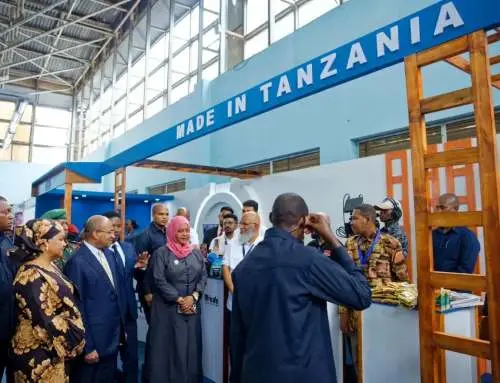
- AfDB report highlights opportunities for exporters, banks and manufacturers as regional trade financing improves
By Peter Nyanje
Tanzania stands to benefit significantly from Africa’s improving trade finance landscape, but experts say the country must move faster to strengthen its banking sector, expand export financing and embrace digital trade solutions if it is to fully capitalize on emerging opportunities.
This follows the release of the African Development Bank’s (AfDB) 2025 Trade Finance Report, which shows that Africa’s trade finance gap has narrowed in the years following the Covid-19 pandemic, reflecting growing resilience among financial institutions and stronger support from development finance institutions.
The report estimates that Africa’s unmet demand for trade finance declined to between US$74 billion and US$92 billion in 2024, down from higher levels seen during the pandemic years.
The improvement was largely driven by interventions from multilateral development banks, export credit agencies, governments and global financial institutions that helped sustain trade flows during a period marked by supply-chain disruptions and economic uncertainty.
For Tanzania, a country pursuing export-led industrialisation and regional trade expansion, the findings present both encouragement and a warning.
A positive signal for export ambitions
Trade finance is the lifeblood of international commerce. It enables businesses to secure working capital, import machinery and raw materials, and export goods to international markets.
As Tanzania seeks to increase exports of manufactured goods, agricultural products, minerals and processed commodities, improved access to trade finance across Africa could provide a significant boost to local businesses.
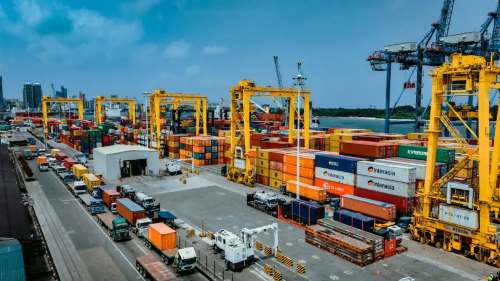
The country has made substantial investments in strategic infrastructure, including the Standard Gauge Railway (SGR), port modernization projects and logistics corridors designed to position Tanzania as a regional trade hub serving East and Central Africa.
These investments are expected to increase trade volumes through the Port of Dar es Salaam and strengthen Tanzania’s role as a gateway for landlocked countries such as Zambia, Rwanda, Burundi, Uganda and the Democratic Republic of Congo.
A narrowing continental trade finance gap could therefore create new opportunities for Tanzanian exporters seeking to access regional and international markets.
Tanzania still faces financing constraints
However, despite progress at the continental level, access to trade finance remains a challenge for many Tanzanian businesses, particularly small and medium-sized enterprises (SMEs).
Many local exporters struggle to obtain letters of credit, export guarantees, working capital facilities and foreign exchange needed to execute international transactions.
The AfDB report notes that commercial banks across Africa now intermediate only 23 percent of the continent’s trade, down sharply from 40 percent during the previous decade.
This trend mirrors concerns frequently raised by Tanzanian businesses, which argue that banks often remain cautious in extending trade-related financing, particularly to SMEs operating outside major urban centres.
As a result, many potentially competitive exporters remain locked out of regional and global value chains.
Foreign exchange remains a key concern
One of the most significant findings in the AfDB report is that foreign exchange liquidity shortages have become the leading obstacle to trade finance growth.
For Tanzania, this finding is particularly relevant.
Although the country has made progress in strengthening foreign exchange reserves through tourism recovery, mining exports and foreign investment inflows, businesses continue to report periodic challenges in accessing foreign currency needed for imports and international transactions.
Manufacturers, importers and traders have repeatedly cited foreign exchange availability as a factor affecting procurement cycles and production planning.

As Tanzania seeks to industrialise and increase exports, ensuring adequate foreign exchange liquidity will be critical to supporting business growth and trade competitiveness.
AfCFTA creates new opportunities
One of the most encouraging findings from the AfDB report is the growth of intra-African trade financing.
Between 2020 and 2024, intra-African trade accounted for 34 percent of bank-intermediated trade, representing a significant increase compared with pre-pandemic levels.
This trend aligns with opportunities emerging under the African Continental Free Trade Area (AfCFTA), where Tanzania is positioning itself to access larger regional markets.
Sectors such as agro-processing, pharmaceuticals, textiles, leather products, construction materials and manufactured consumer goods could benefit from improved trade financing mechanisms that facilitate cross-border commerce.
For Tanzanian companies, easier access to trade finance could accelerate exports to neighbouring countries while reducing dependence on traditional overseas markets.
Digital trade finance still underdeveloped
The report also highlights a challenge that Tanzania must urgently address: digitalisation.
Only 28 percent of African banks surveyed reported using digital trade finance platforms.
Digital systems reduce paperwork, improve transparency, accelerate approvals and lower transaction costs.
Yet adoption remains low because of infrastructure limitations and implementation costs.
For Tanzania, expanding digital trade finance solutions could significantly improve access to financing, particularly for SMEs that often face lengthy approval processes and high transaction costs.
The government’s broader digital economy agenda provides an opportunity to modernise trade financing systems and enhance financial inclusion.
What Tanzania must do next
While the narrowing of Africa’s trade finance gap is encouraging, analysts argue that Tanzania cannot afford complacency.
Several priorities stand out.
First, policymakers must continue strengthening the banking sector’s capacity to support exporters and manufacturers.
Second, development finance institutions should expand targeted programmes that de-risk SME lending and support export-oriented businesses.
Third, the country must accelerate adoption of digital trade finance platforms to improve efficiency and accessibility.

Fourth, Tanzania should leverage opportunities under AfCFTA by supporting local businesses to meet export standards and access regional markets.
Finally, improving foreign exchange availability and strengthening export competitiveness will remain essential for sustaining trade growth.
A window of opportunity
The AfDB report suggests that Africa has avoided a deeper trade finance crisis and is gradually rebuilding financial support for commerce.
For Tanzania, the opportunity lies not merely in benefiting from continent-wide improvements but in positioning itself as one of Africa’s leading trade and logistics hubs.
With strategic infrastructure investments already underway and regional integration gathering pace, access to trade finance could become a key driver of Tanzania’s industrialisation ambitions. The challenge now is ensuring that Tanzanian businesses, particularly SMEs, are equipped to take advantage of that opportunity before it passes them by.