By Business Insider Reporter
Tanzania is placing medical tourism at the heart of its new long-term development blueprint, Dira 2050, with the government and private sector aligning to transform the country into a leading healthcare and wellness destination in Africa.
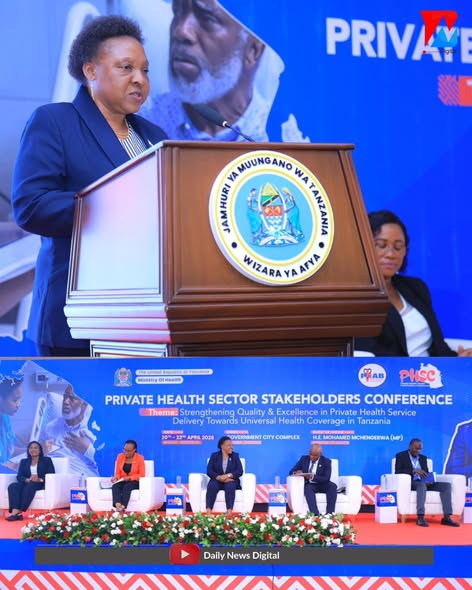
Presenting at the Private Health Sector Stakeholders Conference (PHSC) 2026 in Dodoma, National Medical Tourism Coordinator Dr. Asha Mahita outlined a bold roadmap that positions high-quality healthcare, specialization, and global standards as the foundation of the country’s next economic frontier.
She told the well attended gathering that Tanzania aims to strategically position itself as a leading medical and wellness hub in Africa by 2050 by building a competitive, high-quality, and globally trusted healthcare tourism ecosystem.
National Medical Tourism Vision
“The national medical tourism goal is to position Tanzania as a leading medical and wellness hub in Africa by 2050,” she noted in the presentation titled: Investing in Quality, Branding & Specialized Services for Growth through the Medical Tourism Market.
Outlining this strategic and forward-looking agenda, Dr Mahita said the government envisions transforming Tanzania into one of Africa’s leading hubs for medical and wellness tourism within the next 25 years.
She said this vision will be realized by leveraging world-class healthcare services, integrated tourism experiences, and strong public–private partnerships to attract both regional and international patients seeking quality and affordable care.
“Medical tourism is not just about healthcare; it’s an economic diversifier that improves health systems for all Tanzanians,” Dr Mahita told the gathering.
Building a service export industry
Dr Mahita presentation comes at a time when Dira 2050 emphasizes private sector-led growth, with healthcare identified as a strategic sector capable of generating foreign exchange, creating jobs, and strengthening social services.
In business and economic terms, this outlook and ambition reflects a strategic shift toward building healthcare and wellness tourism as a high-value service export industry within Tanzania’s long-term growth agenda.
It signals economic diversification beyond traditional sectors, alongside increased investment in health infrastructure, hospitality, transport, and digital systems. It also highlights a public–private partnership model driving service delivery and innovation.

Additionally, it points to job creation and skills development in both health and hospitality sectors, while positioning Tanzania to compete regionally and globally with established medical tourism destinations through quality, affordability, and strong branding.
From local care to global destination
Tanzania’s ambition is grounded in a growing track record. Between 2022 and 2025, more than 26,000 international patients sought treatment in the country, primarily from regional markets such as Comoros, Zambia, Malawi, the Democratic Republic of Congo, and Burundi.
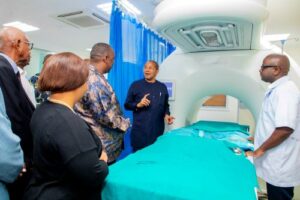
This momentum is being reinforced by investments in specialized institutions such as the Jakaya Kikwete Cardiac Institute (JKCI), Muhimbili National Hospital (MNH), Ocean Road Cancer Institute (ORCI), Muhimbili Orthopaedic Institute (MOI), Benjamin Mkapa Hospital (BMH), alongside leading private facilities, namely Aga Khan Hospital, Shifaa Pan African Hospitals, Saifee Hospital and Kairuki Hospital.
According to Dr. Mahita, the next phase is to move beyond volume and focus on value-driven healthcare.
“We are shifting from basic service provision to excellence – where Tanzania is known not just for access, but for quality, safety, and specialized care that meets international standards,” she said.
Quality First: The accreditation push
Central to the strategy is a nationwide push toward international accreditation, with national, zonal, and specialized hospitals being prepared for certification by 2028.
The move is expected to enhance global trust, improve clinical outcomes, and position Tanzania competitively within the regional and international healthcare market.
Both public and private facilities are being called upon to invest in quality assurance systems, adopt global benchmarks, and prioritize patient safety as a key differentiator.
Specialisation and the “Care + Tourism” model
The government is also prioritizing high-demand specialties – including cardiac surgery, neurosurgery, orthopedics, dialysis, and wellness services – to attract higher-value medical travelers.
In line with Dira 2050’s integrated development approach, Tanzania is crafting a unique medical tourism value chain that merges healthcare with its globally renowned tourism assets.
This includes curated “holistic care packages” offering pre-arrival consultations, specialized treatment, and post-operative recovery in destinations such as Zanzibar and the Northern tourism circuit.
“This is about creating a seamless patient journey – from diagnosis to recovery – supported by world-class hospitality and tourism experiences,” Dr. Mahita noted.
Private sector at the core
Reflecting Dira 2050’s emphasis on private sector participation, stakeholders were urged to take a leading role in shaping the industry.
Dr. Mahita called on private health providers to align with the national strategy by investing in advanced equipment, improving patient experience through hospitality-grade services, and strengthening digital platforms to attract international clients.
She also emphasised the importance of data collection and visibility, noting that robust digital presence and international patient portals will be critical in competing globally.
Building a resilient health economy
With pilot programmes already underway in 13 hospitals and national guidelines for medical tourism nearing completion, Tanzania is laying the groundwork for a coordinated and sustainable industry.
Beyond revenue generation, the initiative is expected to strengthen the domestic health system, expand access to specialised care, and reduce outbound medical travel.
“By investing in quality and specialized excellence, we don’t just treat patients – we build a global destination,” Dr. Mahita emphasised.
As Tanzania advances toward its Dira 2050 aspirations, medical tourism is emerging not just as a niche sector, but as a powerful engine for inclusive growth – where health, investment, and tourism converge to redefine the country’s global standing.
More Info: What is Medical Tourism?
Medical tourism refers to the intentional travel of individuals across borders -internationally, regionally, or domestically—to access medical treatment, preventive care, or wellness services.
It is not limited to clinical procedures alone. Rather, it is a fully integrated service ecosystem that includes:
- Healthcare delivery
- from diagnosis and specialized treatment to post-operative care
- Travel and logistics
- transport arrangements, medical visas, and patient coordination
- Hospitality services
- accommodation, patient concierge support, and recovery environments
- Wellness and tourism experiences
- rehabilitation combined with leisure, such as beach, safari, or spa retreats
At its core, medical tourism blends high-quality healthcare with destination appeal, creating a seamless patient journey that delivers both clinical outcomes and holistic well-being.
In a strategic context, it represents more than patient mobility – it is a high-value economic sector that drives foreign exchange earnings, promotes investment in advanced healthcare infrastructure, and elevates a country’s global reputation in both health and tourism.