
By Business Insider Reporter
Tanzania’s private health sector has taken centre stage in the country’s journey toward universal health coverage, with stakeholders underscoring its growing dominance in both financing and service delivery at a high-level national summit in Dodoma.
Speaking at the opening of the Private Health Sector Stakeholders Conference (PHSC) 2026 yesterday, Deputy Minister for Health, Florence Samizi, revealed that more than 50 percent of all healthcare expenditure in the country is driven by the private sector – cementing its position as a critical pillar in the health system.
Held at the Government City Complex in Mtumba, the three-day conference -organised by the Private Hospitals Advisory Board (PHAB) in collaboration with the Ministry of Health and the Tanzania Health Summit – has drawn over 700 stakeholders, including policymakers, regulators, insurers, and healthcare providers.
Under the theme “Strengthening Quality & Excellence in Private Health Service Delivery Towards Universal Health Coverage in Tanzania,” the summit comes at a pivotal moment as the country accelerates reforms aimed at delivering accessible, safe, and high-quality healthcare for all.
Dr. Samizi noted that nearly 40 percent of healthcare facilities are owned or operated by private players, significantly expanding access to services while easing pressure on public resources.
“The private sector is not only complementing government efforts but is now a major driver of healthcare financing and delivery,” she said in her remarks when gracing the three-day conference on behalf of Health Minister Mohamed Mchengerwa
Beyond infrastructure, the sector is also proving vital in building the country’s human capital. The Deputy Minister highlighted its role as a key employer of health professionals, strengthening the workforce needed to sustain a growing and increasingly sophisticated healthcare system.
Delivering further insight, the Chief Medical Officer, Dr Grace Magembe, commended private providers for advancing specialised and super-specialised services, noting that their investments are elevating the overall quality of care in the country.
The conference agenda reflects this shift toward quality-driven care. Day One set the tone with high-level discussions on certification and accreditation systems, with experts stressing the importance of adopting recognised standards to improve patient outcomes and institutional performance.
Sessions throughout the summit are bridging policy and practice, tackling issues ranging from hospital management systems and oxygen infrastructure to the business case for quality improvement. Stakeholders are also exploring emerging opportunities in medical tourism and specialised treatment services.
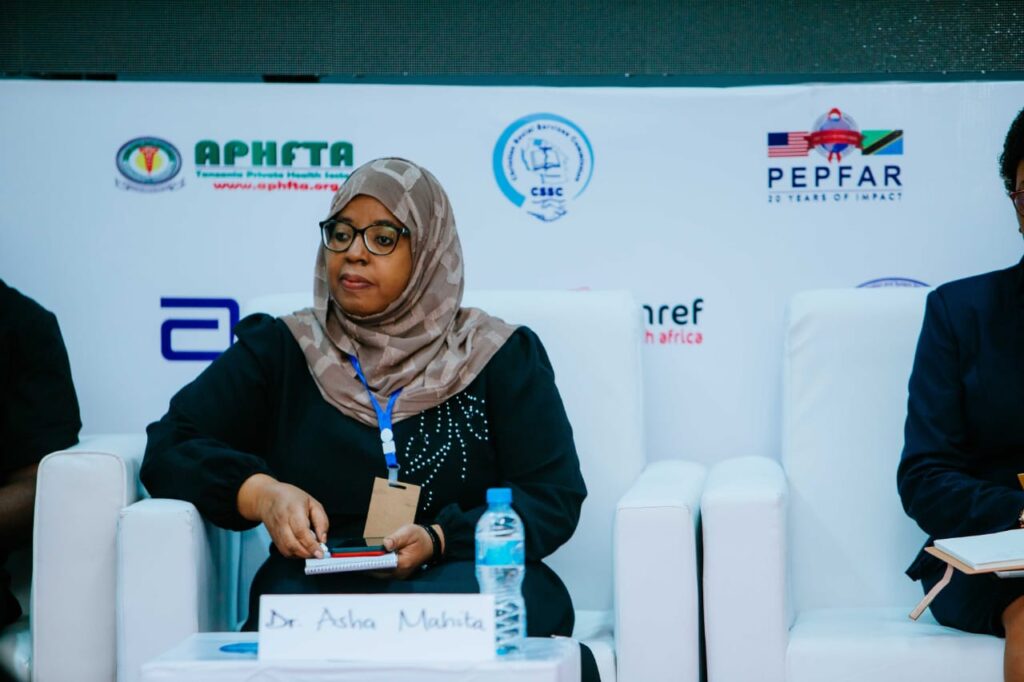
In a strategic presentation, National Medical Tourism Coordinator Dr Asha Mahita outlined how Tanzania can position itself as a competitive destination for high-value healthcare by investing in branding, specialised services, and international standards.
“Medical tourism is no longer just about treatment – it is Tanzania’s gateway to global healthcare competitiveness, where quality, specialization, and hospitality converge to position the country as Africa’s next medical hub,” she noted.
Day Two shifts focus to embedding a culture of safety and quality across facilities, with discussions on regulatory frameworks, patient protection systems, and innovative health financing models. A major panel involving insurers and the National Health Insurance Fund will examine how inclusive financing can close access gaps.
Meanwhile, advancements in clinical care – from cardiology diagnostics to digital health and modern dental practices – are showcasing the sector’s growing sophistication.
The final day will look ahead, spotlighting digital transformation and artificial intelligence as game changers in diagnosis, monitoring, and service delivery. Experts are expected to outline how data-driven systems can further enhance efficiency and patient outcomes.
According to PHAB Registrar Meshack Shimwela, the board continues to play a central role in safeguarding standards through facility registration, inspections, and professional guidelines – ensuring that rapid private sector growth does not compromise quality.
Deliberations will culminate in renewed calls for stronger public-private partnerships, with institutions such as the Medical Stores Department and the Tanzania Medicines and Medical Devices Authority expected to outline coordinated approaches to improving access to medicines and regulatory compliance.
As Tanzania pushes toward universal health coverage, PHSC 2026 is emerging not just as a forum for dialogue, but as a catalyst for investment, innovation, and collaboration – firmly positioning the private sector as a cornerstone of the country’s healthcare future.