By Business Insider Reporter, Morogoro
Tanzania has stepped up preparations against potential El Niño-related flooding in Morogoro, with authorities inspecting vulnerable infrastructure and high-risk areas in an effort to minimise economic losses before heavy rains arrive.
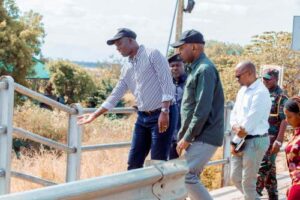
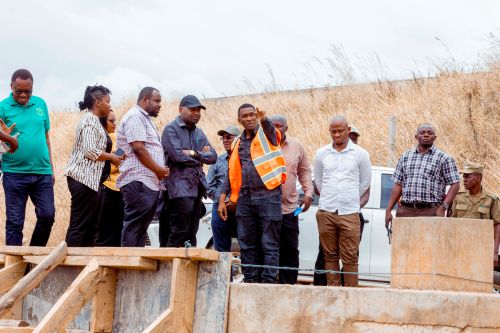
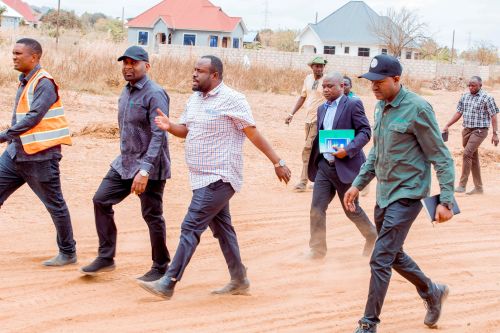
Minister of State in the Vice-President’s Office responsible for Union and Environment, Eng Hamad Yussuf Masauni, began a two-day inspection tour of Morogoro on September 28, focusing on measures taken to prepare for the expected rains.
The exercise is assessing drainage systems, culverts, bridges and waterways to determine whether they can safely accommodate increased volumes of water.
Authorities are also focusing on communities living in valleys, low-lying areas and along riverbanks, where flooding could threaten lives, homes, businesses and agricultural production.
Masauni said the September 28–29 inspection was intended to identify vulnerable areas and infrastructure early enough for corrective measures to be taken before heavy rainfall.
He also called on the media to strengthen public awareness about El Niño risks so that households and businesses can take preventive action.
Infrastructure under scrutiny
For Morogoro, preparations are particularly important because of the region’s geography.
Morogoro District Commissioner Mussa Kilakala said authorities have been inspecting high-risk areas and strengthening public awareness through various channels, including the media.
“Morogoro is among the regions that could face flooding because of its rivers, valleys and low-lying areas, making early preparations important in protecting lives, property, crops and infrastructure,” Kilakala said.
Flooding can have consequences extending beyond damage to homes. Disruption to roads and bridges can affect the movement of people and goods, while inundated farmland can threaten agricultural production and household incomes.
The regional administration is therefore seeking to identify vulnerable infrastructure before extreme rainfall exposes weaknesses in drainage and water-management systems.
Emergency preparations
Assistant Administrative Secretary for Planning and Coordination Edina Katalaiya said Morogoro has developed an El Niño preparedness plan focusing on early weather information, identification of vulnerable areas and arrangements for temporary accommodation for people who may be displaced.
Authorities are also clearing rivers, drains, culverts and bridges to remove blockages that could restrict water flows and increase the likelihood of flooding.
High-risk locations are being mapped across local government authorities, while ward, village and neighbourhood leaders, together with disaster-management committees, are being briefed on preparedness and early warning signs.
“We continue to mobilise financial resources, equipment, medicines and medical supplies, as well as prepare rescue teams to assist residents should flooding occur,” Katalaiya said.
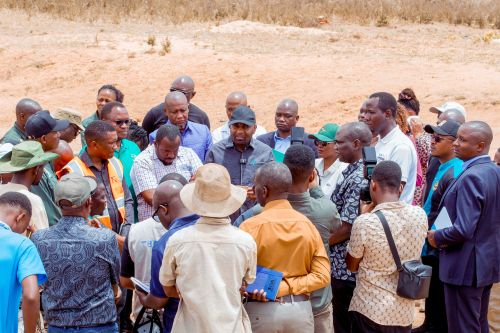
The regional plan also provides for weather information from the Tanzania Meteorological Authority (TMA) to be distributed to communities through the media, local government officials, religious leaders and other stakeholders.
The preparations underline the growing importance of disaster-risk management to local economies, where extreme rainfall can disrupt transport networks, agriculture, trade and public services. For Morogoro, the immediate objective is to shift the response from dealing with damage after floods occur to identifying risks and protecting critical infrastructure beforehand.