By Business Insider Reporter, Arusha
As organisations navigate rapid technological change, evolving risks and rising stakeholder expectations, internal audit is taking on a more strategic role beyond its traditional focus on compliance and identifying weaknesses, NMB Bank’s Chief Internal Auditor Benedicto Baragomwa has said.
Speaking in Arusha last week, Baragomwa said internal audit is increasingly becoming a strategic tool for managing emerging risks, strengthening governance and supporting better decision-making.
He said rapid technological developments, coupled with growing expectations from customers, investors, regulators and other stakeholders, are forcing institutions to rethink how internal audit contributes to their operations and long-term resilience.
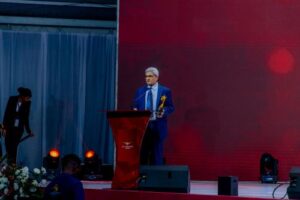
“Internal auditors have a critical role to play in helping institutions make the right decisions and build strong governance systems,” Mr Baragomwa told the the 13th Governance Conference and 19th Annual Conference of Internal Auditors in Tanzania, held at the Arusha International Conference Centre (AICC).
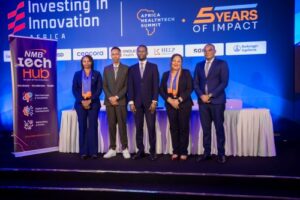
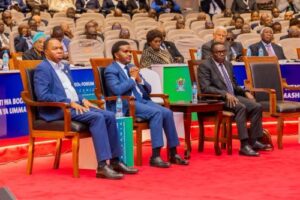
The conference, organised by the Institute of Internal Auditors Tanzania (IIA Tanzania) from September 21 to 25, brought together professionals to discuss the evolving role of internal audit in governance, risk management and institutional performance.
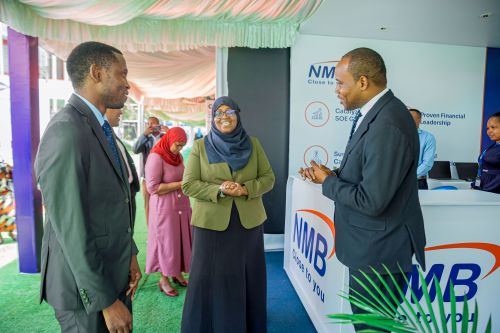
NMB participated in and sponsored the conferences, but its involvement went beyond financial support. Senior executives from the bank contributed to the professional discussions, reflecting the bank’s focus on internal audit, governance, trust and sustainability.
A key theme from NMB was the growing connection between internal audit and trust. The bank’s Director of the Board and Chief Financial Officer Juma Kimori presented a paper titled “Trust: The Currency of Internal Audit,” highlighting the relationship between effective internal controls, accountability and stakeholder confidence.
For a bank, that connection is particularly significant. Customer and investor confidence depends in part on the reliability of financial information, controls, governance processes and the institution’s ability to identify and manage risks.
The challenge is becoming more complex as technology transforms how institutions operate. Digital systems and new technologies can create efficiencies, but they also introduce new forms of operational, cybersecurity, data and financial risk, increasing the need for effective independent assurance.
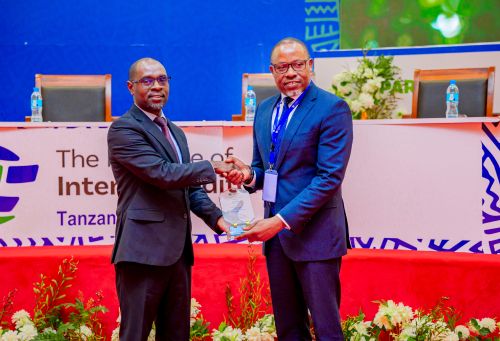
NMB also linked the governance discussion to the broader sustainability agenda. Innocent Yonazi, the bank’s Director of Investor Relations, Sustainability and Communications, presented on sustainability and environmental, social and governance (ESG) issues.
Together, the presentations reflected NMB’s broader position that strong governance increasingly requires institutions to look beyond traditional compliance and consider how they identify risks, build resilience and maintain stakeholder trust.
The message also received support from government representatives attending the conferences. Minister of State in the President’s Office State House, Zanzibar, Dr Saada Mkuya Salum, commended NMB for supporting efforts to strengthen good governance through its sponsorship and participation. Acting Chief Internal Auditor of the Government, Eng. Kenneth Nindie, said the Government, through the Ministry of Finance and the Office of the Chief Internal Auditor of the Government, recognises the role of internal auditors in strengthening institutional performance and good governance.