By Business Insider Reporter
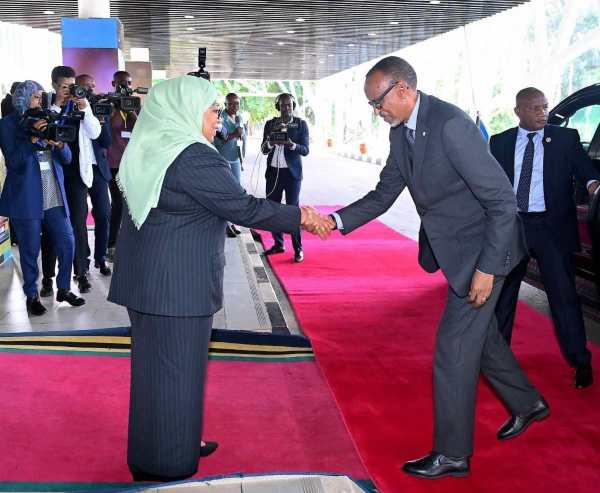
The recent state visit by Rwanda President Paul Kagame to Tanzania has reinforced a steadily evolving partnership that is increasingly anchored in trade, investment, and regional integration.
Meeting with President Samia Suluhu Hassan in Dar es Salaam on May 3, 2026, Kagame called for faster implementation of trade facilitation systems, signalling a new phase in bilateral relations that extends well beyond diplomacy into tangible economic cooperation.
The visit reflects how ties between Rwanda and Tanzania have matured over the past decade, transitioning from cautious engagement to a more strategic alliance driven by shared economic interests.
Historically, the two countries experienced periodic tensions, often linked to regional geopolitics.
However, under the current leadership, relations have stabilised, creating space for deeper collaboration across multiple sectors.
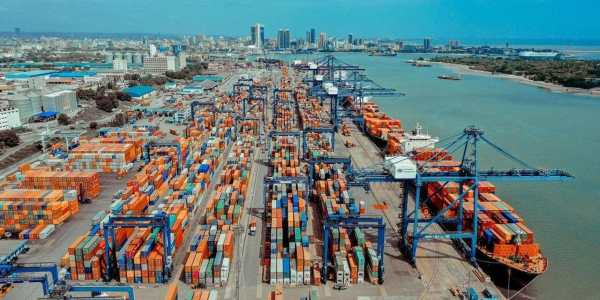
Trade has emerged as the central pillar of this transformation. Tanzania serves as Rwanda’s primary maritime gateway through the Port of Dar es Salaam, a critical logistics lifeline for the landlocked nation. Improvements in port efficiency, coupled with investments in road and rail infrastructure, have significantly reduced transit times and costs for Rwandan imports and exports. The ongoing development of the Central Corridor, linking Dar es Salaam to Kigali and beyond, is further strengthening supply chains and enhancing the competitiveness of businesses operating across both markets.
Kagame’s call for “stronger trade systems” underscores persistent bottlenecks that both governments are now keen to address.
Non-tariff barriers, customs delays, and regulatory inconsistencies have historically constrained the full potential of bilateral trade. The renewed political commitment suggests a shift towards harmonisation of procedures, digitalisation of border processes, and improved coordination among trade agencies – measures that could unlock higher volumes of cross-border commerce.
Beyond trade logistics, the relationship is increasingly shaped by investment flows and private sector engagement. Tanzanian firms are expanding their footprint in Rwanda’s fast-growing economy, particularly in sectors such as banking, construction, and manufacturing. At the same time, Rwanda’s business community is leveraging Tanzania’s larger market and strategic coastal access to scale operations. Joint ventures and cross-border partnerships are becoming more common, reflecting rising confidence among investors in the stability of bilateral ties.
Infrastructure development remains a cornerstone of this economic integration. The standard gauge railway (SGR) project, alongside upgrades to regional highways, is expected to further integrate the two economies by improving connectivity between inland production hubs and export terminals.
For Rwanda, enhanced access to Tanzanian ports reduces dependency risks, while for Tanzania, increased transit trade strengthens its position as a regional logistics hub.
The economic relationship is also evolving within the broader framework of the East African Community (EAC), where both countries are key members.
Their alignment on trade facilitation and infrastructure development supports the bloc’s ambition of creating a more seamless common market.
Analysts note that closer Rwanda–Tanzania cooperation could help accelerate EAC integration, particularly at a time when intra-regional trade remains below its full potential.
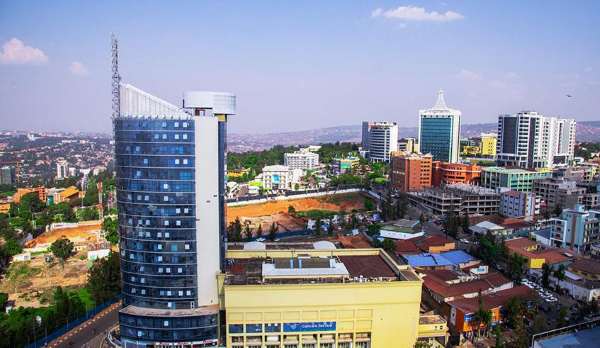
Social and cultural ties have also deepened alongside economic cooperation. Increased cross-border movement of people – driven by trade, education, and tourism – has fostered greater interaction between citizens of the two countries.
Kigali and Dar es Salaam are emerging as complementary business hubs, with growing air connectivity and business travel reinforcing people-to-people linkages.
Educational exchanges and collaborative initiatives in health and services are further strengthening this social fabric.
For policymakers, the evolving relationship offers a model of pragmatic regionalism, where economic priorities take precedence over political differences.
For investors, it presents a corridor of opportunity spanning logistics, agribusiness, manufacturing, and services, underpinned by improving infrastructure and policy alignment.
Kagame’s visit, therefore, is less a standalone diplomatic event than a marker of how far Rwanda–Tanzania relations have progressed – and how central they are becoming to East Africa’s economic future. With both governments signalling commitment to removing trade barriers and supporting private sector growth, the next phase of cooperation is likely to be defined by execution, as the region moves from ambition to measurable economic integration.