
By Business Insider Correspondent
Tanzania is stepping up efforts to combat gender-based violence through legal aid programmes, stronger protection systems and public awareness campaigns, as the government seeks to safeguard human capital considered essential to achieving its long-term development ambitions under Dira 2050.
The government has called on communities to stop treating violence against women and children as a private or family matter, urging citizens to report abuse and work with institutions responsible for protecting victims.
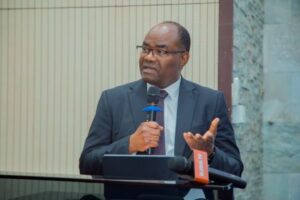
Deputy Minister for Constitution and Legal Affairs, Zainab Athuman Katimba, made the appeal in Dodoma on November 25, 2026, during the launch of this year’s 16 Days of Activism Against Gender-Based Violence.
She said communities had a responsibility to challenge abusive behaviour and ensure that violence was neither tolerated nor concealed, arguing that protecting individuals from abuse was fundamental to building stronger families, communities and the nation.
“These initiatives, programmes and campaigns support the implementation of Dira 2050 by ensuring that the human capital needed to drive development is protected against violence,” Ms. Katimba said.
Her remarks place the fight against gender-based violence within a broader development agenda, where social protection, access to justice and the safety of women and children are increasingly recognised as important elements of economic and national development.
Government expands legal and protection programmes
Ms. Katimba said the government had introduced several interventions to strengthen the response to gender-based violence, including the Mama Samia Legal Aid Campaign and the second phase of the National Plan of Action to End Violence Against Women and Children (NPA-VAWC II), covering the 2024/25–2028/29 period.
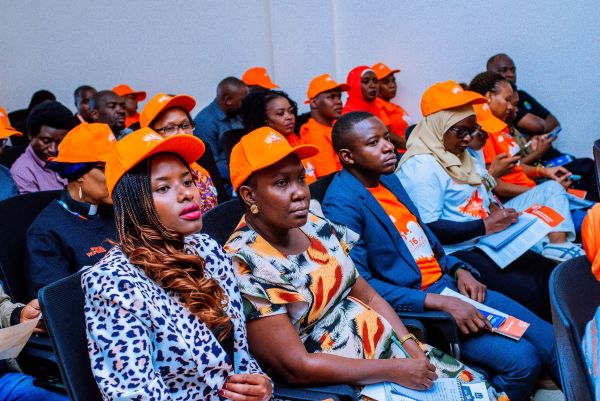
The legal aid campaign is intended to improve access to justice, particularly for people who face financial and other barriers when seeking legal assistance.
The government has also established gender desks within the police force, universities, colleges and other public institutions to provide support and facilitate reporting of abuse.
Another intervention is a national campaign to protect children against online exploitation and other forms of abuse associated with the use of digital platforms.
These measures are particularly relevant as technology creates new channels through which children and women can be exposed to harassment, exploitation and other forms of violence.
However, the effectiveness of such interventions will depend on whether victims can access the services, receive timely assistance and obtain justice without intimidation or unnecessary delays.
Social protection becomes a development priority
The Ministry of Community Development, Gender, Women and Special Groups said the campaign required the involvement of government institutions, civil society organisations and other stakeholders.
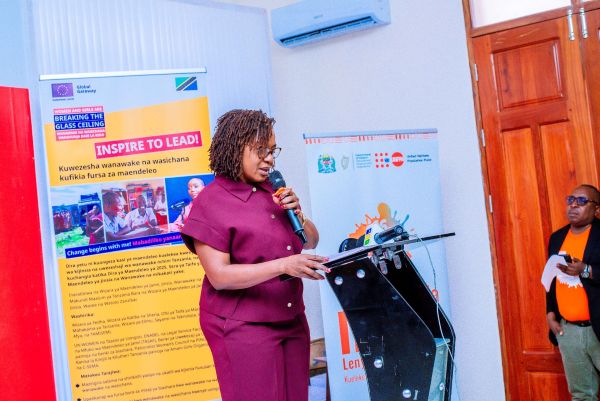
Representing the ministry, Eliakim Chacha Maswi said collective action was necessary to eliminate violence and support the government’s wider social development agenda.
He linked the campaign to the implementation of the Community Agenda 2050, which seeks to build stronger families, communities and the nation.
This approach recognises that violence has consequences extending beyond individual victims. It can disrupt education, reduce participation in economic activities, undermine household incomes and increase demand for health, social welfare and justice services.
For businesses and the wider economy, violence against women and children also presents challenges involving workplace productivity, employee welfare and the development of an inclusive labour force.
Protecting women and children therefore has implications for the country’s human capital development, particularly as Tanzania pursues its ambition of becoming a high-income economy under Dira 2050.
Dodoma strengthens institutional cooperation
At regional level, Dodoma Regional Administrative Secretary Khatibu Kazungu said the 16 Days campaign provided an opportunity to bring together institutions working to address gender-based violence.
He said the region was treating the issue as a priority through collaboration with professionals and other stakeholders.
The interventions include public education, strengthening systems for reporting violence and improving coordination among institutions responsible for handling cases.
Such coordination is important because responding to abuse often requires several institutions, including police, healthcare providers, social welfare departments, legal professionals and civil society organisations.
Meanwhile, Women in Law and Development in Africa (WiLDAF) coordinator, Advocate Anna Kulaya, said various stakeholders remained committed to ending violence through the annual campaign and other platforms.
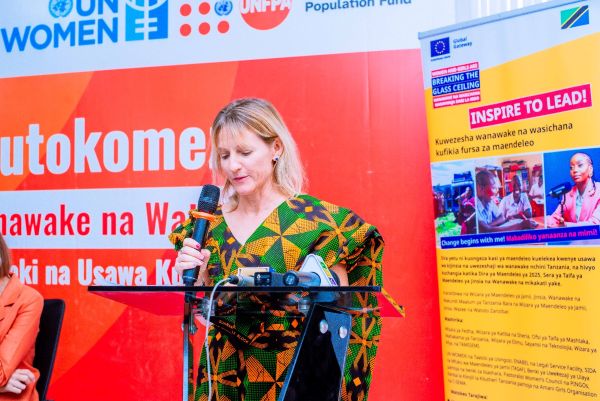
She said continued engagement was necessary to strengthen public awareness and encourage communities to take an active role in preventing abuse.
A 16-day campaign with a wider ambition
The 2026 national 16 Days of Activism Against Gender-Based Violence runs from November 25 to December 10 under the theme: “Unite to End Violence Against Women and Children: Build a Strong Nation Based on Justice and Equality Towards Dira 2050.”
The campaign provides an opportunity to assess the country’s progress in protecting women and children while drawing attention to gaps in prevention, reporting, legal assistance and access to support services.
For Tanzania, the challenge is to translate policy commitments and awareness campaigns into measurable improvements in the safety and welfare of women and children.
The success of these efforts will ultimately depend not only on the number of programmes introduced, but also on whether victims can report abuse safely, receive appropriate assistance and obtain justice. As the country moves towards Dira 2050, protecting people from violence is increasingly part of a wider development question: how can Tanzania build a productive, healthy and economically resilient population if significant sections of society remain exposed to abuse?