By Zakayo Mosha, Dodoma
Parliament has unanimously approved the Ministry of Health’s TSh 1.8 trillion budget for the 2026/27 financial year, with the Government saying the funding will accelerate major reforms aimed at strengthening healthcare delivery and positioning the country as a regional medical tourism hub.
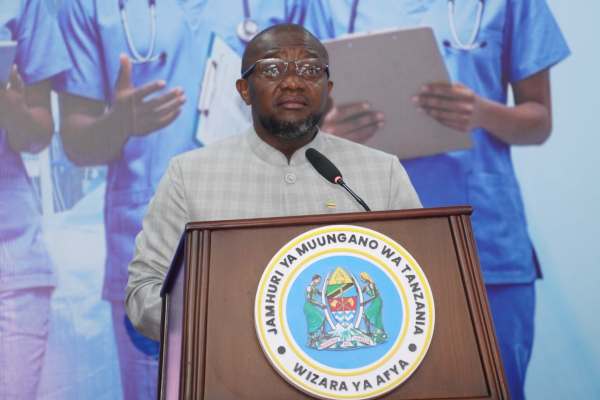
The budget, presented in Parliament on May 11 by Health Minister Mohamed Mchengerwa, places strong emphasis on universal health insurance, construction of a new Muhimbili Hospital, and large-scale investment in local pharmaceutical manufacturing.
Members of Parliament who debated the proposals praised the Sixth Phase Government for prioritising strategic long-term investments aimed at expanding access to quality healthcare services across the country. They said the investments are strengthening health infrastructure, improving specialized medical care, and accelerating the implementation of universal health insurance coverage.
The lawmakers also commended the government’s push to reduce dependence on imported medicines through increased investment in local pharmaceutical manufacturing and medical supplies production.
Particular emphasis was placed on the development of the Mloganzila health and pharmaceutical cluster, which is expected to emerge as a major hub for specialized treatment, medical research, healthcare training, biotechnology, and domestic drug manufacturing in Tanzania and the wider East African region.
Speaking during the parliamentary session, Minister Mchengerwa said the Government remains committed to transforming Tanzania into a center of excellence for healthcare services in East Africa.
“All contributions from Members of Parliament have been received and incorporated into the implementation of this budget to ensure Tanzania continues becoming a major medical tourism destination in the region,” he said.
The minister also commended President Samia Suluhu Hassan for her leadership and commitment to improving the country’s healthcare system through strategic investments and reforms.
During the debate, Elibariki Kingu urged the government to allocate more funding toward medicines and medical equipment at primary healthcare facilities, particularly in rural areas where access to services remains limited.
Meanwhile, Ahmed Shabiby defended the government’s push to establish domestic pharmaceutical industries, warning against opposition to local manufacturing initiatives. The approval of the health budget comes at a time when Tanzania is intensifying efforts to modernise healthcare infrastructure, expand insurance coverage, and strengthen the country’s pharmaceutical supply chain as part of broader economic and social development goals.