


By Business Insider Reporter
The decline in international oil prices towards US$90 a barrel is raising hopes of some relief for oil-importing economies, including Tanzania, after months of sharp price increases fuelled by geopolitical tensions and disruptions to global petroleum supplies.
Brent crude, the international benchmark, fell to US$90.05 a barrel today (November 25), down 1.5 percent on the day, as expectations of a global supply surplus increasingly outweighed concerns over disruptions to Middle Eastern oil shipments.
The latest movement follows a turbulent year in which Brent averaged US$66.60 a barrel in January and US$70.89 in February before surging to US$103.13 in March and US$117.29 in April as the conflict involving the United States and Iran intensified.
Prices subsequently eased to US$107.14 in May, US$85.40 in June and US$83.76 in July, before recovering to US$91.08 in August and climbing to US$114.16 in September. October recorded an average of about US$123.93, reflecting renewed supply concerns. By November 17, the month-to-date average had fallen to around US$95.98.
The latest correction reflects expectations that easing geopolitical tensions could allow Middle Eastern producers to restore output, adding supply to an increasingly well-stocked market. Analysts are also watching production decisions by OPEC+ members ahead of their November 29 meeting.
For Tanzania, the developments are significant because the country relies heavily on imported refined petroleum products, making its economy vulnerable to international oil prices, shipping and insurance costs, and movements in the exchange rate.
The impact is already visible in domestic fuel prices. The Energy and Water Utilities Regulatory Authority (EWURA), in its November 4 price announcement, raised maximum retail prices in Dar es Salaam to TSh4,083 per litre for petrol, Sh4,128 for diesel and Sh4,117 for kerosene.
The increases from October were TSh26 for petrol, TSh42 for diesel and TSh50 for kerosene. EWURA attributed the adjustments partly to higher freight and insurance costs associated with geopolitical tensions in the Middle East, where Tanzania sources much of its petroleum.
Prices vary across the country. In November, petrol was capped at TSh4,202 per litre in Arusha and TSh4,374 in Bukoba, while diesel reached TSh4,247 and TSh4,419, respectively.
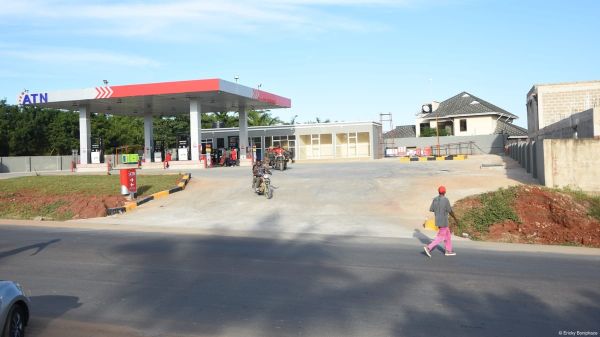
A sustained decline in international oil prices could reduce Tanzania’s petroleum import bill, ease demand for foreign currency and moderate operating costs for transport, agriculture, manufacturing and other fuel-dependent businesses.
However, cheaper crude does not automatically translate into immediate reductions at local filling stations. Refined-product prices, freight, insurance, exchange rates, taxes and other supply-chain costs also influence domestic prices. Analysts say the extent of relief for Tanzania will ultimately depend on whether the current market correction is sustained, rather than being driven by a temporary dip in international crude oil prices.