Four-day medical outreach targets 10,000 patients, highlighting efforts to ecentralize specialist treatment and strengthen early disease detection.
By Special Correspondent, Mwanza
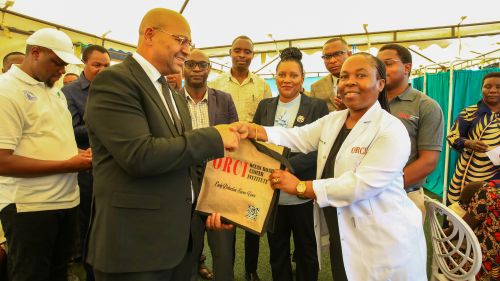
MWANZA. Tanzania’s efforts to expand access to specialised healthcare have received a boost as the Ocean Road Cancer Institute (ORCI) joins a major medical outreach programme in Mwanza, offering free early cancer screening and public education to residents.
The four-day specialist and super-specialist medical camp, being held at Nyamagana grounds in Mwanza City, aims to serve 10,000 people, bringing services closer to communities that might otherwise face financial and logistical challenges accessing specialist care.
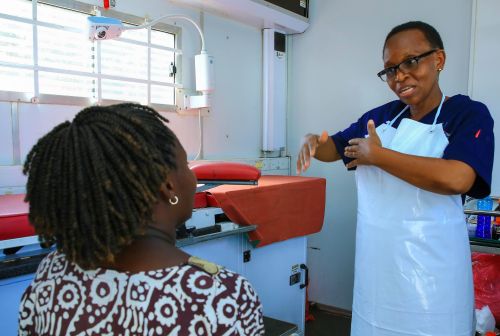
ORCI is providing screening for cervical, breast and prostate cancers, alongside public education designed to improve awareness of symptoms and encourage early medical intervention.
The initiative reflects Tanzania’s broader efforts to decentralise specialist healthcare services, strengthen preventive medicine and reduce the burden associated with diagnosing and treating diseases at advanced stages.
Early detection is particularly important in cancer management, as identifying the disease before it progresses can improve treatment options and outcomes while potentially reducing the cost and complexity of care.
Expanding access to specialist care
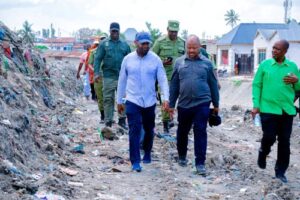
Mwanza Regional Commissioner, Commissioner of Police Salum Hamduni, officially launched the medical camp, describing investment in healthcare infrastructure and specialised medical personnel as essential to improving public health.
He said the government had made substantial investments in training specialist and super-specialist doctors and expanding healthcare facilities across the country.
“The Sixth Phase Government, led by President Dr. Samia Suluhu Hassan, has made massive investments in the health sector. Among those investments is developing health professionals at specialist and super-specialist levels, as well as constructing a cancer ward at Bugando Zonal Referral Hospital in Mwanza City,” Hamduni said.
The development of cancer treatment facilities at Bugando is expected to strengthen access to oncology services in the Lake Zone, complementing the specialist services provided by national institutions such as ORCI.
Hamduni urged healthcare professionals to maintain high standards of patient care, emphasising compassion, patience and professionalism.
He also encouraged residents to participate in the screening programme and enrol in the Universal Health Insurance scheme to improve their ability to access medical services when needed.
Targeting 2,500 patients daily
Nyamagana Member of Parliament and camp coordinator John Nzilanyingi said the outreach programme was designed to provide a wide range of specialist services, including cancer screening, orthopaedics, neurology, brain-related conditions and eye care.
He said the programme was targeting 2,500 patients daily, bringing the anticipated total to 10,000 over four days.
According to Nzilanyingi, the camp has attracted considerable public interest, reflecting demand for specialist medical services.
He urged participants to follow the established procedures to ensure orderly service delivery and enable medical teams to attend to as many patients as possible.
Early detection takes centre stage
ORCI’s Manager of Cancer Services and Public Education, Dr. Maguha Stephano, said the institute’s participation was intended to strengthen early detection and public awareness of cancer.
He explained that medical teams would provide screening for cervical, breast and prostate cancers, while educating participants about warning signs, risk factors and the importance of seeking medical advice promptly.
Patients whose screening results indicate the need for further investigation or treatment will be referred to appropriate healthcare facilities for additional services.
The referral arrangements are particularly important because screening is only the first stage of cancer care. Patients with suspicious findings require timely diagnostic assessment and, where necessary, access to treatment.
For Tanzania’s healthcare system, such outreach programmes offer an opportunity to identify patients earlier, strengthen referral pathways and improve coordination between specialist institutions and regional healthcare facilities.
Healthcare investment and economic benefits
Beyond immediate health benefits, expanding access to cancer screening and specialist services has broader economic implications.
For households, accessing services closer to home can reduce transport expenses, accommodation costs and time spent away from work.
For the healthcare system, stronger early detection and referral mechanisms can potentially reduce pressure on specialised treatment facilities by identifying conditions before they become more complicated to manage.
Investment in regional cancer treatment capacity can also help reduce the need for some patients to travel long distances for specialist care.
However, realising these benefits will depend on sustained investment in medical personnel, diagnostic equipment, treatment infrastructure and effective patient follow-up.
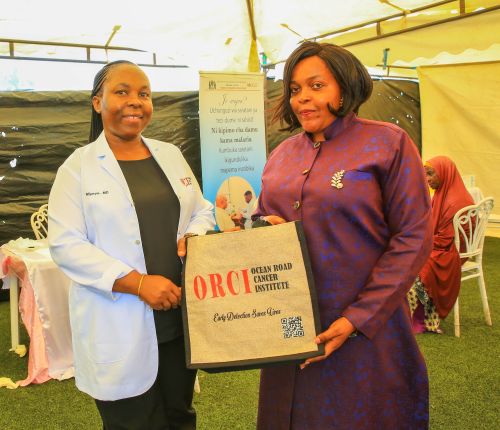
ORCI’s participation in the Mwanza camp forms part of efforts to extend cancer services beyond established specialist facilities, promote preventive healthcare and improve access to timely diagnosis. The programme also highlights the importance of integrating outreach services with Tanzania’s wider healthcare financing and infrastructure development agenda, particularly as the country seeks to strengthen access to specialist treatment under its long-term development plans.