
By Business Insider Reporter
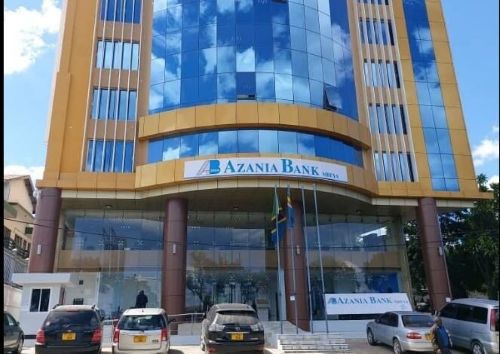
Tanzanian small and medium-sized enterprises targeting export markets are set to gain access to a new pool of financing after the African Export-Import Bank (Afreximbank) extended a US$10 million facility to Azania Bank, targeting businesses across the country’s export value chains.
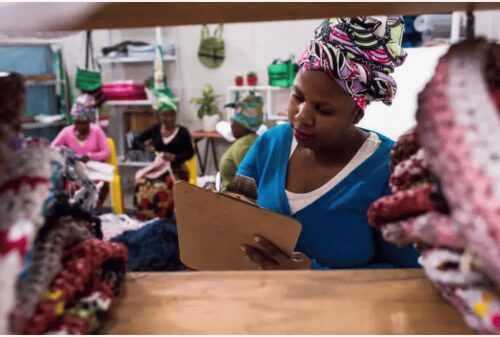
The financing, announced on September 17, will provide working capital and medium-term funding to SMEs operating in agriculture, manufacturing, trade, technology, logistics and value-added exports.
The facility comes at a time when access to affordable and appropriately structured finance remains one of the barriers preventing smaller Tanzanian businesses from expanding production and competing beyond the domestic market.
Under the arrangement, Azania Bank will on-lend the funds to eligible export-oriented SMEs, financing business expansion, acquisition of productive assets and pre- and post-export operations.
The financing is being provided under Afreximbank’s Export SME Development Programme (ESDP), which combines access to capital with technical and business development support aimed at preparing African SMEs for regional and international markets.
“SMEs are the backbone of Africa’s productive economy and are critical to driving industrialisation, value addition and trade-led growth,” Afreximbank Managing Director for Export Development Oluranti Doherty said in a statement announcing the facility.
She said many African businesses nevertheless continue to face significant barriers in accessing financing, markets and technical support required to expand and compete effectively.
Beyond lending
Unlike conventional credit facilities that concentrate primarily on providing capital, the programme is expected to offer participating Tanzanian businesses additional support in areas including export readiness, financial management, digitalisation and market linkages.
SMEs will also gain access to knowledge and networking platforms intended to improve their competitiveness and ability to scale.
According to Afreximbank, this combination is designed to tackle some of the structural constraints that prevent otherwise viable SMEs from graduating from domestic businesses into regional exporters.
“Through the Export SME Development Programme, Afreximbank is partnering with financial institutions such as Azania Bank to provide not only financing, but also the capacity building and market access solutions required for SMEs to grow, export and integrate into regional and global value chains,” Doherty said.
She added that the partnership could support Tanzania’s export development objectives while opening opportunities for local enterprises under the African Continental Free Trade Area (AfCFTA).
For Tanzanian companies, AfCFTA potentially offers access to a much larger continental market, but exploiting that opportunity requires businesses to have sufficient capital to increase production, maintain quality standards, finance orders and manage the costs associated with cross-border trade.
This is where trade finance becomes particularly important. Exporters often need financing long before receiving payment from overseas customers, while manufacturers may require capital to purchase machinery, raw materials or other inputs necessary to fulfil large orders.
Azania to channel funds
Azania Bank’s role will be to identify eligible businesses and channel the US$10 million facility into Tanzania’s productive and export-oriented sectors.
Azania Bank Director of Business Development Yahaya Mbanka said the financing would increase the lender’s capacity to respond to the needs of Tanzanian SMEs.
“This facility will strengthen our ability to provide Tanzanian SMEs with the financing they need to grow their businesses, invest in productive capacity and pursue export opportunities,” Mbanka said.
He added that the partnership would allow Azania Bank to provide support more closely tailored to businesses operating across Tanzania’s major value chains.
Agriculture and manufacturing could be particularly important beneficiaries because increasing value addition before products leave the country can potentially generate more export earnings and support domestic employment.
The financing also fits into Tanzania’s wider policy drive to expand domestic production, diversify exports and strengthen regional trade while shifting more businesses towards value-added activities.
$960m deployed across Africa
The Tanzania facility forms part of a much larger Afreximbank push to improve SME participation in African trade.
According to Afreximbank’s 2025 Annual Trade Development Effectiveness Report, the bank extended more than US$960 million to over 58,000 SMEs across Africa, with women- and youth-led enterprises among the priority beneficiaries.

Those interventions included trade finance designed to help businesses obtain capital for expansion, cross-border trade and entry into new markets.
The latest partnership brings part of that financing strategy directly into Tanzania’s banking system, using a domestic financial institution as the channel between the continental lender and local businesses.
The significance of the US$10 million facility will ultimately depend on how effectively the money reaches commercially viable SMEs that have struggled to obtain the type and duration of financing required for exports. For businesses that qualify, however, the combination of working capital, medium-term financing and export-development support could provide something often more difficult to secure than an export opportunity itself: the financial capacity to fulfil it.