By Correspondent Asia Singano, Dodoma
Tanzania is strengthening internal audit oversight across government institutions as the Ministry of Finance moves to improve accountability, risk management and the efficient use of public resources amid growing demands for stronger financial governance.
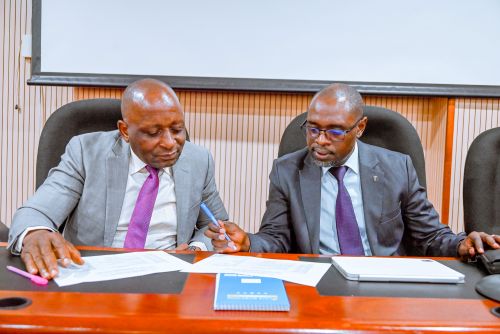
The Ministry has launched training for members and chairpersons of Internal Audit Committees, focusing on strengthening their ability to oversee internal audit functions and assess the effectiveness of internal control systems across government institutions.
The initiative is significant for public financial management because audit committees provide an important layer of oversight over how institutions identify financial and operational risks, enforce internal controls and respond to weaknesses identified by auditors.
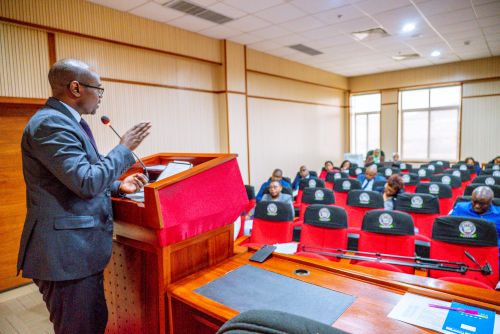
Opening the training in Dodoma, Acting Government Chief Internal Auditor at the Ministry of Finance, Kenneth Nindie, said participants were being equipped with a deeper understanding of their responsibilities in ensuring internal audits are conducted effectively, professionally and in accordance with ethical standards.
He urged audit committee members to uphold professionalism, independence, integrity and accountability, saying these principles were essential to strengthening government resource management and internal controls.
“I urge you to perform your responsibilities as required and with discipline, while ensuring meetings are held according to schedule, members receive the necessary information on time and adequately prepare before meetings,” Nindie said.
Technology reshaping audit
A key focus of the training is the growing role of technology in public-sector auditing.
Nindie urged committee members and internal auditors to continuously improve their professional skills and embrace technology to increase efficiency and deliver better audit outcomes.
Technological change is increasingly transforming traditional auditing as governments digitise revenue collection, procurement, payments, accounting and other administrative functions. This is creating new opportunities for auditors to analyse transactions and identify irregularities, but it also introduces risks requiring new technical skills.
Nindie said auditors therefore needed to keep pace with technological developments and acquire skills relevant to the changing working environment.
The push towards technology-based auditing comes as Tanzania continues to digitise public financial management and service-delivery systems, increasing the importance of effective controls around electronic transactions, information systems and government data.
Strengthening governance
Assistant Government Chief Internal Auditor Paison Mwamnyasi urged participants to make full use of the training, describing it as important to improving their performance.
“This training is very important to our work, and it is therefore necessary to give it the attention it deserves in order to achieve the positive results targeted by the Ministry,” Mwamnyasi said.
Senior Internal Auditor Andrew Nicholaus, who is facilitating the training, said audit committees play an important role in supporting appointing authorities in carrying out their oversight responsibilities.
At the same time, he said, committees must retain sufficient independence to provide effective advice and scrutiny.
That independence is particularly important because internal audit committees can act as an institutional safeguard by ensuring audit findings are not simply produced but are followed by corrective action.
For government institutions managing significant public resources, stronger audit committees can help identify weaknesses in financial controls, procurement, asset management and institutional risk before they develop into larger financial or operational problems.
The training, being held at the National Bureau of Statistics conference facilities in Dodoma, forms part of the Ministry of Finance’s broader efforts to strengthen internal audit systems and audit committees across government.
The initiative ultimately seeks to improve transparency, accountability and the prudent management of public resources — areas that remain central to strengthening confidence in Tanzania’s public financial management system. I shifted the story away from being simply a report about a training event and towards why stronger internal audit committees matter to Tanzania’s management of public money, which gives it greater relevance for a business and economic readership.