By Business Insider Reporter
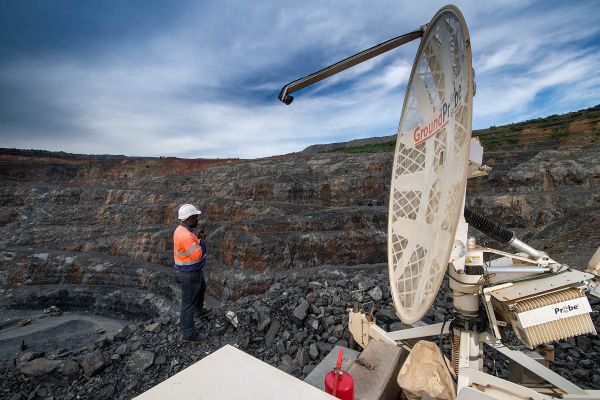
Tanzania is set to become a major beneficiary of AngloGold Ashanti’s planned US$900 million investment in expanding its existing gold mines, with between US$480 million and US$580 million earmarked for Geita Gold Mine (GGM).
The investment, spread over about three years, is expected to increase Geita’s annual gold production to 600,000 ounces by 2030, from 492,000 ounces in 2025, strengthening Tanzania’s position as a major gold producer and potentially boosting export earnings, government revenue and economic activity.
The world’s fourth-largest gold producer announced the expansion programme in its third-quarter 2026 operational and financial results released on November 5, outlining plans to increase annual production by at least 400,000 ounces by the end of the decade through expansion of existing operations.
Geita accounts for more than half of the proposed investment, underlining the mine’s strategic importance in the company’s global production portfolio.
The expansion will involve increasing processing capacity and developing a paste backfill plant to support underground mining and improve access to higher-grade gold deposits. The approach will leverage existing mining infrastructure rather than establish an entirely new operation.
AngloGold Ashanti expects the Geita expansion to deliver around 108,000 additional ounces of annual production at full capacity.
The investment forms part of a wider programme covering Geita in Tanzania, Siguiri in Guinea and Cuiabá in Brazil. Ghana’s Obuasi mine is also undergoing a separate production ramp-up.
Boost to exports and government revenue
The planned expansion comes at a time when gold has become increasingly important to Tanzania’s export performance and foreign exchange earnings.
Higher production at Geita could strengthen the country’s gold export capacity, increase foreign currency inflows and support the mining sector’s contribution to economic growth.
Tanzania’s export trade rose by 19.9 percent to US$21,065.1 million in the year ending September 2026, from US$17,568.9 million in the corresponding period of 2025.
The Bank of Tanzania said the increase was underpinned by strong performances in gold, travel receipts, manufactured goods, and traditional exports.
“Gold exports rose to US$5,834.5 million (in the year ending September 2026), from US$4,431.2 million, benefiting from favourable global prices and domestic production,” the central bank noted in the October Monthly Economic Review.
The additional output could also expand government revenue through mineral royalties, corporate income tax and other applicable fiscal payments, although the actual contribution will depend on gold prices, operating costs, profitability and the prevailing fiscal arrangements.
Beyond direct government collections, the AngloGold Ashanti investment presents opportunities for Tanzanian businesses supplying mining equipment, engineering services, construction materials, transport, logistics, catering and other operational requirements.
The expansion could also generate employment opportunities and strengthen the transfer of technical and specialised mining skills to Tanzanian workers.
Strategic significance for Dira 2050
The investment also aligns with Tanzania’s long-term ambition to build a US$1 trillion economy under Dira 2050, which identifies private-sector investment as a major driver of economic transformation.
The mining sector is expected to play an important role in this ambition through increased production, exports, investment, industrial development and employment creation.
AngloGold Ashanti’s commitment provides an example of how expansion of established mining operations can contribute to these objectives while attracting substantial long-term capital. However, the extent of the economic benefits will depend on how effectively Tanzania translates increased mining investment into wider domestic economic opportunities.

In particular, strengthening local procurement, developing domestic suppliers, expanding technical skills and encouraging greater participation of Tanzanian companies in mining value chains will be important in ensuring that the investment generates benefits beyond the mine’s immediate operations.
There is also scope to deepen linkages between mining and other sectors, including manufacturing, engineering, transport, financial services and technology.
Strong financial performance supports expansion
AngloGold Ashanti’s expansion plans are backed by improved financial performance, supported by favourable international gold prices. The company reported third-quarter earnings before interest, taxes, depreciation and amortisation (EBITDA) of US$1.57 billion, representing a 12 percent increase. It produced 2.164 million ounces during the first nine months of 2026 and maintained its full-year production guidance of between 2.8 million and 3.17 million ounces.