

By Business Insider Reporter
The Parliamentary Standing Committee on Public Investments (PIC) has pledged stronger cooperation with the Office of the Treasury Registrar (OTR) to accelerate reforms aimed at improving the performance, efficiency and accountability of Tanzania’s public institutions.
The commitment signals growing parliamentary support for efforts to strengthen the management of state-owned enterprises and ensure they deliver greater economic and financial value to the country.
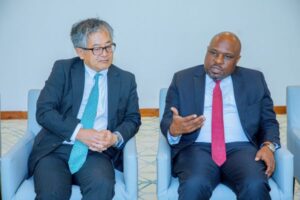
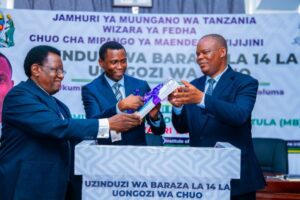
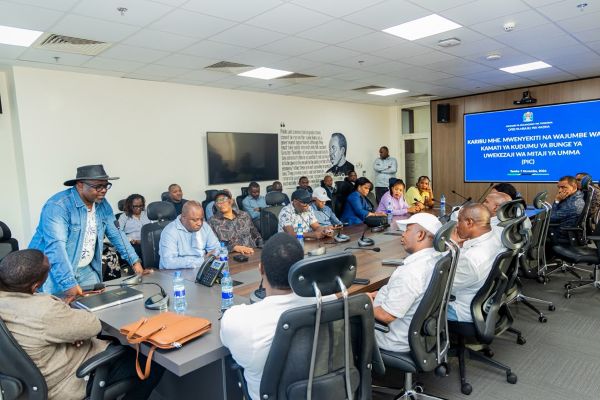
PIC Chairman Ojambi Masaburi made the pledge on Saturday, November 7, 2026, during a visit by committee members to OTR offices in Dar es Salaam.
He said closer collaboration between the committee and the Treasury Registrar was critical to advancing the Sixth Phase Government’s agenda, under President Samia Suluhu Hassan, to improve the performance of public institutions.
Masaburi said PIC was prepared to provide institutional support to OTR, including advocating for the office whenever necessary, noting that meaningful reforms required collective commitment and accountability among all stakeholders.
“We have the capacity to support you, and we have the willingness to do so,” he said, urging the two institutions to maintain close cooperation and work towards achieving the President’s development objectives.
He emphasised that the success of public-sector reforms depended not only on policies and directives but also on the willingness of institutions to work together and fulfil their respective responsibilities.
Leadership accountability at the centre of reforms
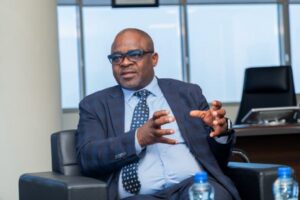
Receiving the delegation, Treasury Registrar Nehemiah Mchechu thanked PIC for its continued cooperation, describing parliamentary engagement as important to strengthening institutional performance and advancing the broader public-sector reform agenda.
He said reforms across public institutions were progressing, although several operational and management challenges still needed to be addressed to improve their ability to fulfil their mandates.
According to Mchechu, between 70 and 90 percent of heads of public institutions now understood their responsibilities and what was expected of them, representing an important milestone in the reform process.
“Between 70 and 90 per cent of heads of public institutions know what they are supposed to do. This is a major step in the reform journey of public corporations,” he said.
However, he indicated that the next phase would be more demanding, requiring institutional leaders to translate their understanding of responsibilities into measurable results.
The challenge, therefore, is shifting from awareness of management responsibilities to the ability to execute them effectively.
This means strengthening leadership capacity, improving decision-making, enforcing accountability and ensuring that public institutions deliver against clearly defined performance expectations.
From institutional awareness to measurable results
The engagement highlights an important dimension of Tanzania’s public-enterprise reform agenda: improving governance and management effectiveness in institutions that hold significant public assets and contribute to the national economy.
Public institutions are expected to operate efficiently, safeguard government investments, improve service delivery and strengthen their contribution to economic development.
For OTR, the task involves ensuring that institutional leadership is matched by stronger management systems, operational discipline and measurable performance.
PIC’s pledge of support could also strengthen the relationship between parliamentary oversight and the administration of public investments, particularly in addressing governance weaknesses and ensuring that reform commitments translate into tangible improvements. Ultimately, the success of the reform programme will be measured not simply by how well institutional leaders understand their mandates, but by their ability to deliver better financial performance, improved services and greater value from public resources.