By Correspondent Saidina Msangi
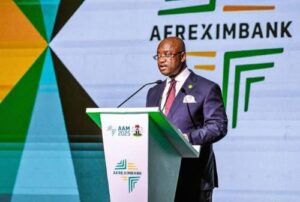
Tanzania is positioning itself to attract more private capital into strategic infrastructure after hosting senior African development finance leaders and investors at the Africa50 General Shareholders’ Meeting and Infra for Africa Forum.
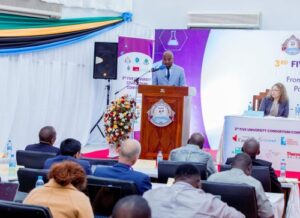
The two-day gathering, held in Dar es Salaam on August 5 and 6, brought together about 1,200 participants and provided Tanzania with a platform to advance investment partnerships in energy, healthcare and other infrastructure sectors.
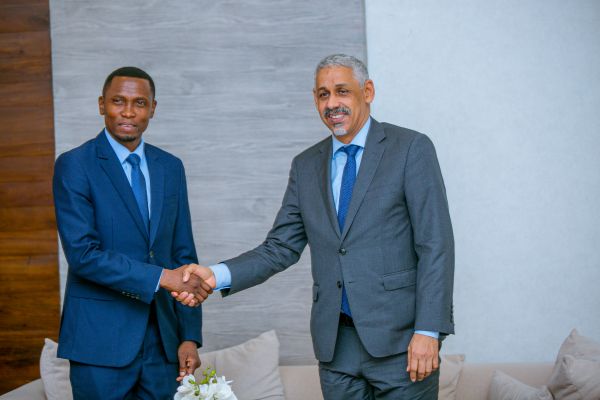
African Development Bank (AfDB) President Dr. Sidi Ould Tah concluded his visit to Tanzania following the meetings, which were officially opened by President Samia Suluhu Hassan.
Three agreements signed during the forum are expected to create new opportunities for infrastructure investment.
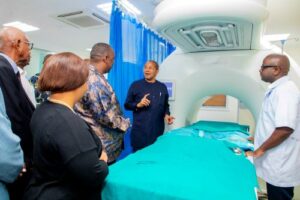
They include an agreement to develop a new kidney dialysis services centre, a project to process natural gas into liquefied gas, and a partnership between Tanzania Electric Supply Company (TANESCO) and Africa50 to develop electricity transmission infrastructure.
The agreements underline the growing role of development finance institutions and private investors in helping Tanzania close its infrastructure financing gap while supporting the government’s broader economic transformation agenda.
For Tanzania, the forum was also an opportunity to put its investment pipeline in front of a high-level continental audience at a time when the government is seeking greater private-sector participation in infrastructure development.
The government sees private capital as increasingly important to financing major projects under the Fourth Five-Year National Development Plan (FYDP IV) and the Tanzania Development Vision 2050 (Dira 2050).
Energy emerged as one of the key areas of potential cooperation, with the TANESCO-Africa50 agreement focused on transmission infrastructure. Strengthening the electricity grid is critical to supporting industrialisation, expanding access to reliable power and enabling Tanzania to accommodate growing electricity generation capacity.
The natural gas project also points to efforts to capture more value from Tanzania’s gas resources by expanding processing and downstream opportunities rather than relying primarily on the export of raw resources.
Beyond infrastructure deals, the forum gave Tanzania an opportunity to market its tourism attractions, investment opportunities and strategic development projects to international investors.
The government hopes such exposure will translate into increased capital inflows and deeper private-sector participation in projects that can generate jobs, expand productive capacity and strengthen economic competitiveness.
The Africa50 meetings came as Tanzania seeks to accelerate infrastructure development while maintaining a stronger focus on private-sector-led growth.
Dr. Ould Tah was seen off at Julius Nyerere International Airport by Deputy Minister for Finance Laurent Luswetula after completing his Tanzania visit. For Tanzania, however, the significance of the visit extends beyond the departure of a senior development finance executive. The agreements reached during the forum could provide a pathway for turning the country’s infrastructure ambitions into investable projects, with Africa50 and other institutional investors playing a potentially larger role in financing the next phase of development.