
By Business Insider Reporter
For more than six decades, Tanzania’s wildlife conservation framework has largely been built on a simple principle: wildlife and all its parts belong to the state.
That policy helped shape one of Africa’s strongest conservation regimes, protecting a tourism industry worth billions of dollars while supporting the country’s international reputation as a wildlife destination.
Now, the government has made one of the most significant policy shifts since independence.
Following a directive by President Samia Suluhu Hassan, traditional healers will, for the first time in 65 years, be allowed to legally possess wildlife trophies under a regulated framework. The decision, announced by the Tanzania Wildlife Management Authority (TAWA), marks a major departure from decades of outright prohibition and could reshape the relationship between conservation, indigenous knowledge and the rural economy.
The immediate headlines have focused on traditional healers.
The broader story, however, is about regulation replacing criminalization – and the economic and conservation questions that follow.
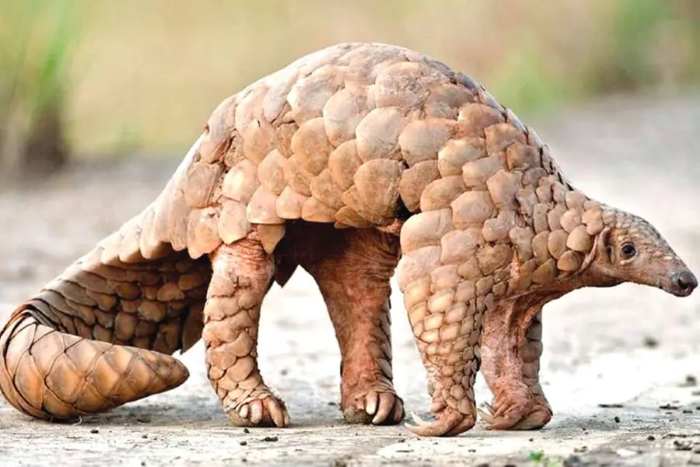
For years, many practitioners of traditional medicine operated in legal uncertainty. Animal products such as wildebeest tails, lion fat, feathers, skins and teeth – often inherited through generations – were technically illegal to possess under the Wildlife Conservation Act, exposing healers to confiscation and prosecution even where the items were not linked to recent poaching.
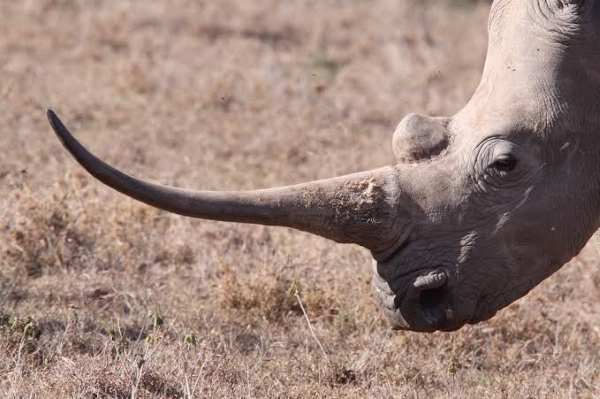
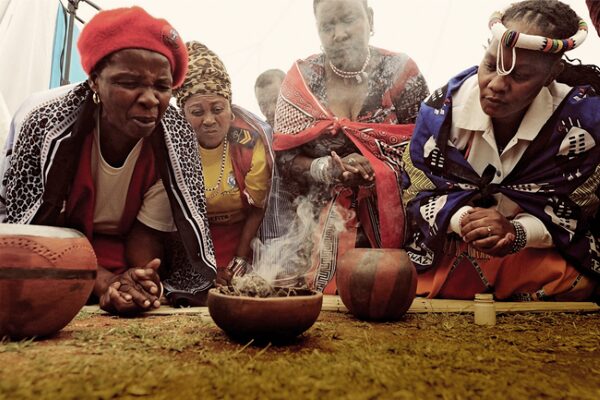
That long-running conflict between statutory law and customary practice came to the fore during the Bulabo cultural celebrations of the Sukuma community, where traditional leaders appealed directly to President Samia to recognise the legitimacy of long-held cultural artefacts.
The government’s response goes beyond simply relaxing the rules.
Instead, authorities are attempting to create a formal regulatory system that brings an informal market into the legal economy.
The plan includes government-regulated wildlife trophy outlets, beginning with a dedicated trophy shop in Mwanza, while a state-operated wildlife meat outlet has already started operating in Arusha. The objective is to provide legal access to approved wildlife products while tightening oversight of ownership and trade.
From an economic perspective, the move reflects a growing recognition that conservation policy must also accommodate livelihoods, culture and indigenous knowledge if it is to remain sustainable.
Traditional medicine remains a significant part of healthcare for many rural communities across Tanzania. Formalising access to wildlife trophies could reduce the legal risks faced by practitioners while creating traceable supply chains that are easier for regulators to monitor.
For government, the policy could also expand opportunities for licensing, record-keeping and compliance, bringing previously undocumented activities into the formal economy.
However, the reform presents equally significant challenges.
Tanzania’s wildlife economy is built largely on photographic tourism, trophy hunting and conservation partnerships that depend heavily on maintaining healthy wildlife populations and international confidence in the country’s conservation standards.
Any perception that the new policy weakens protection for wildlife could invite closer scrutiny from conservation organisations and international regulatory bodies.
The success of the initiative will therefore depend less on the directive itself than on the integrity of its implementation.
Authorities will need robust systems for inventory management, certification and monitoring to ensure that legally recognised cultural artefacts cannot be used to disguise newly poached wildlife products.
That administrative task is likely to become one of the largest wildlife compliance exercises undertaken in recent years.
The policy also places Tanzania in an unusual position within East Africa.
Neighbouring countries, particularly Kenya, continue to enforce strict restrictions on wildlife trophies, with severe penalties for unauthorised possession. Tanzania is effectively testing whether regulated legal ownership can achieve better conservation outcomes than blanket prohibition.
If successful, the approach could become a reference point for other African countries grappling with the same tension between protecting biodiversity and respecting centuries-old cultural practices.
If it fails, critics are likely to argue that it risks creating new channels for illegal wildlife trafficking.
There are broader implications for Tanzania’s investment climate as well.
The country has increasingly positioned itself as a pragmatic policymaker – one willing to adjust regulation where existing laws create unintended economic or social costs. Similar approaches have been seen in mining local content, tourism reforms and agricultural investment.
This latest decision reflects that same philosophy: replacing enforcement-led policy with regulated participation.
Whether that balance can be maintained remains to be seen.
For Tanzania, the challenge is no longer choosing between conservation and culture. It is proving that both can coexist without undermining one another.
If authorities can establish a transparent, tightly regulated system that protects wildlife while recognising legitimate traditional practices, Tanzania may have found a uniquely African solution to a long-standing policy dilemma. If not, the country risks reopening one of conservation’s most sensitive debates – how to preserve wildlife while accommodating the communities that have lived alongside it for generations.