By Business Insider Reporter, Arusha
The United Nations Development Programme (UNDP) is spearheading an ambitious initiative to position Tanzania’s Lake Victoria Basin as a major tourism and investment destination, in a move that could unlock billions of shillings in new economic opportunities while reducing the country’s heavy reliance on traditional safari tourism.
The project, unveiled during the Kilifair tourism exhibition in Arusha, seeks to integrate the Lake Victoria region into Tanzania’s globally renowned northern tourism circuit, creating a diversified tourism ecosystem that links wildlife, culture, fisheries, agriculture and transport.
For decades, Tanzania’s tourism industry has been anchored by iconic attractions such as the Serengeti National Park, Ngorongoro Conservation Area and Mount Kilimanjaro. While these destinations continue to attract hundreds of thousands of international visitors annually, large parts of the Lake Victoria Basin remain largely untapped despite possessing significant tourism, trade and investment potential.
UNDP officials believe the region could emerge as one of East Africa’s most important growth corridors if strategic investments are directed toward tourism infrastructure, environmental conservation and value-chain development.
“We are looking to make tourism a catalyst for wider economic transformation,” said Godfrey Mulisa, Head of UNDP’s Sub-Office in Dodoma. “The objective is not only to attract visitors but also to create jobs, particularly for women and young people, while protecting the lake’s ecosystem and supporting local economic development.”
Beyond Tourism: Building a blue economy growth hub
Lake Victoria is Africa’s largest lake and the world’s second-largest freshwater body by surface area. Shared by Tanzania, Kenya and Uganda, it supports millions of livelihoods through fishing, agriculture, livestock keeping, trade and transportation.
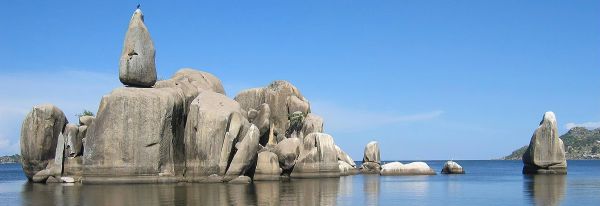
Within Tanzania, the basin covers Mwanza, Mara, Kagera, Geita, Simiyu and parts of Shinyanga regions, areas that collectively contribute significantly to national agricultural production and fisheries exports.
Despite its economic importance, the lake remains underdeveloped as a tourism destination compared to the northern safari circuit. Industry stakeholders argue that the region offers opportunities for waterfront resorts, sport fishing, island tourism, eco-cruises, birdwatching, cultural tourism and conference facilities that could broaden Tanzania’s tourism offering and increase visitor spending.
The initiative forms part of a broader blue economy strategy aimed at harnessing water-based resources in a sustainable manner while creating jobs and attracting investment.
UNDP intends to replicate lessons from Zanzibar, where integrated programmes combining eco-tourism, marine conservation and sustainable fisheries have improved household incomes while strengthening environmental protection.
“Sustainable tourism, conservation and local enterprise development can reinforce one another,” Mulisa said. “Lake Victoria offers an opportunity to scale these lessons across a much larger economic landscape.”
Blended finance model to attract investors
A distinctive feature of the programme is its reliance on a blended-finance model that combines public resources, development financing and private-sector capital.
Rather than focusing exclusively on tourism facilities, the initiative seeks to create investments that generate benefits across multiple sectors, including fisheries, agriculture, livestock and transport.
Development economists increasingly view blended finance as a critical mechanism for unlocking private investment in emerging markets, particularly where large-scale infrastructure and environmental projects require significant upfront capital.
The approach aligns with Tanzania’s broader strategy of mobilising private-sector participation to accelerate economic growth while reducing pressure on public finances.
Fisheries and agriculture at the centre of the opportunity
The Lake Victoria Basin already plays a critical role in Tanzania’s economy.
According to industry data, Tanzania exported more than 41,000 metric tonnes of fish and fish products between April 2023 and April 2024, generating approximately US$206.6 million in export earnings. Nile perch alone contributed more than US$53 million.
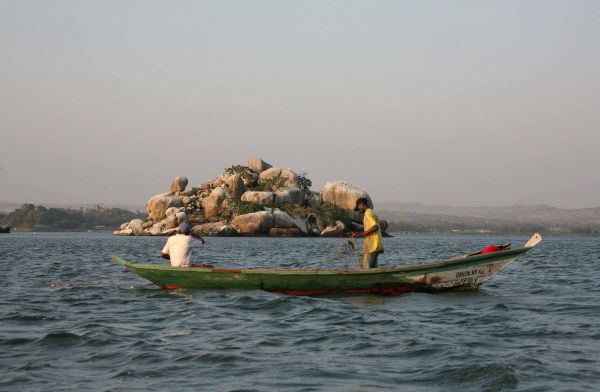
The sector directly supports more than 109,000 fishers and sustains thousands of additional jobs in fish processing, transportation, logistics and export services.
Agriculture presents another major investment opportunity.
Mwanza Region alone possesses nearly 40,000 hectares suitable for irrigation and approximately 140,000 hectares with potential for commercial horticulture. Across the basin, farmers produce maize, rice, cotton, cassava, vegetables and fruits, while livestock producers supply beef, dairy products, goats and sheep to both domestic and regional markets.
Analysts argue that integrating tourism with these productive sectors could create stronger local supply chains, ensuring that tourism revenues circulate within communities rather than leaking out of local economies.
Tourism as a catalyst for local enterprise
Tourism operators working with UNDP believe the project could significantly expand market opportunities for local businesses.
Timothy Mdinka, a veteran tourism entrepreneur involved in the Serengeti Safari Marathon programme, said tourism has the potential to create valuable economic linkages between hotels, restaurants, transport providers, farmers, fishermen and small-scale manufacturers.
“Tourism creates demand for local products and services,” he said. “When properly structured, it allows communities to participate directly in the tourism economy and benefit from visitor spending.”
Such linkages are increasingly viewed as essential for improving tourism’s contribution to inclusive growth and poverty reduction.
Environmental protection as an economic imperative
Environmental sustainability remains central to the initiative.
Lake Victoria continues to face mounting pressure from overfishing, pollution, invasive species and climate-related challenges that threaten biodiversity and long-term economic productivity.
UNDP’s strategy seeks to integrate conservation into investment planning, ensuring that tourism revenues contribute to ecosystem restoration, biodiversity protection and sustainable resource management.
Experts warn that without stronger environmental stewardship, the region risks undermining the very natural assets upon which future tourism and fisheries growth depend.
A strategic gateway for regional trade
Beyond tourism and natural resources, the Lake Victoria Basin occupies a strategically important position within East Africa’s trade architecture.
The region connects Tanzania to Uganda, Kenya, Rwanda, Burundi and the Democratic Republic of Congo, making it a critical gateway for regional commerce.
Coupled with the rapid growth of Mwanza as a commercial and logistics hub, the basin is increasingly attracting attention from investors seeking opportunities in transport, warehousing, manufacturing and services.
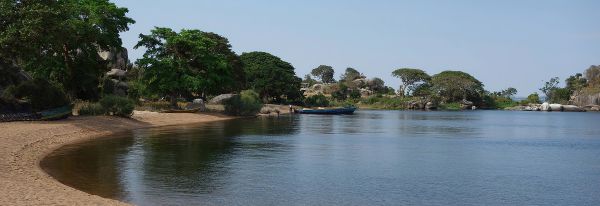
For policymakers, the UNDP initiative represents an opportunity to transform the region from a predominantly resource-based economy into a diversified growth centre capable of attracting domestic and international investment.
“If we succeed, the Lake Victoria Basin could evolve into one of East Africa’s leading tourism and investment destinations,” Mulisa said. “The goal is to create sustainable economic opportunities while safeguarding one of Africa’s most important ecosystems for future generations.” As Tanzania seeks new engines of growth beyond traditional sectors, the Lake Victoria Basin may be emerging as one of the country’s most promising frontiers for tourism, trade and sustainable investment.