By Costantine Muganyizi
As Tanzania joined the global community in marking World Environment Day on June 5, stakeholders renewed calls for collective action to safeguard the environment amid mounting climate-related risks.
Serengeti Breweries Limited (SBL) argues that confronting climate change and environmental degradation requires a united front involving businesses, governments, communities and development organisations.
The SBL call for action comes amid increasing evidence that climate change is emerging as one of the biggest threats to economic growth, livelihoods and sustainable development, particularly in developing countries such as Tanzania.
Observed this year under the theme, “Inspired by Nature. For Climate. For Our Future,” World Environment Day highlighted the urgent need to move beyond awareness and accelerate practical action aimed at protecting natural resources and strengthening resilience against climate-related shocks.
The brewer said in a presser that although Tanzania contributes only a fraction of global greenhouse gas emissions, the country remains among the most vulnerable to climate impacts.
“Although Tanzania contributes just 0.31 percent of global greenhouse gas emissions, it remains among the countries most vulnerable to climate-related impacts,” reads the statement.
Studies cited by development institutions indicate that climate change could significantly affect economic growth, increase poverty levels and place additional pressure on already vulnerable communities if adequate adaptation measures are not implemented.
According to the World Bank, climate change could reduce economic growth by up to four percent by 2050, push 2.6 million people into poverty, and displace millions of people if adequate adaptation measures are not put in place.
The World Meteorological Organization estimates that climate-related events are already costing African economies between two and five percent of GDP annually, placing growing pressure on governments, businesses, and communities alike.
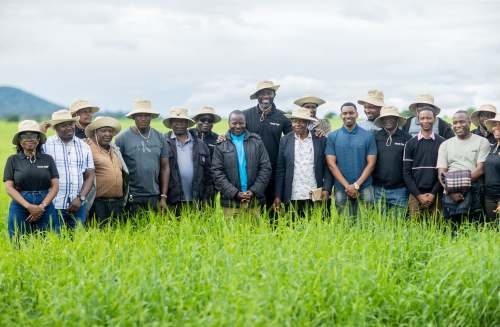
The challenge is particularly acute in agriculture, which remains the backbone of Tanzania’s economy, contributing significantly to national output and employing millions of people. Unpredictable rainfall patterns, prolonged droughts and increasing pressure on water resources continue to threaten productivity across agricultural value chains.
Experts increasingly argue that addressing these challenges requires collective action that goes beyond government interventions. The private sector, they say, has both the capacity and responsibility to invest in solutions that support environmental sustainability while strengthening economic resilience.
Among the companies demonstrating this approach is SBL, which has integrated sustainability into its business strategy through investments in water stewardship and climate-smart agriculture.
“Through the Water for Life programme, SBL has invested more than Th 2.5 billion in community water projects, helping expand access to clean and safe water for more than 2.3 million people across Tanzania,” the brewer said in the statement.
“The initiative has not only improved access to water but has also strengthened the resilience of communities facing increasing water stress linked to climate change.”
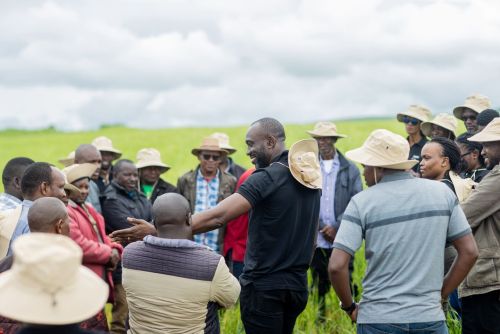
The company has also invested in sustainable agriculture through programmes such as Shamba ni Mali and Kilimo Viwanda, which promote climate-smart farming techniques and support the development of future agricultural leaders. Hundreds of young Tanzanians have received training in modern farming methods and are now sharing those skills in communities across the country. However, stakeholders emphasize that no single institution can tackle climate change alone. The scale of the challenge demands stronger collaboration among government agencies, businesses, development partners and local communities.