
By Business Insider Reporter
Tanzania’s efforts to expand women’s access to formal finance are beginning to yield measurable results, with commercial banks disbursing TSh422.9 billion to 82,699 women entrepreneurs through dedicated lending windows over the ten months ending April 2026.
The figures, presented by the Ministry of Community Development, Gender, Women and Special Groups, Dr. Dorothy Gwajima, during the tabling of its 2026/27 budget in Parliament, highlight the growing role of gender-focused financial products in narrowing Tanzania’s longstanding financing gap for women-owned enterprises.
The special lending windows, established by several commercial banks, are designed to address barriers that have historically limited women’s access to credit, including lack of collateral, limited financial records, and inadequate business training. Beyond financing, many of the programmes provide mentorship, financial literacy training and business development support aimed at improving loan performance and enterprise growth.
The latest figures come at a time when policymakers and financial institutions are increasingly viewing women entrepreneurs as an untapped engine of economic growth.
Untapped economic potential
Women constitute a significant share of Tanzania’s entrepreneurial population, particularly in the informal sector, where small businesses dominate trade, agriculture, food processing and services. Yet access to formal financing remains disproportionately low compared to their male counterparts.
According to ministry data, commercial banks extended TSh1.8 trillion in loans to small businesses between July 2025 and April 2026. However, women-owned enterprises accounted for only 24.6 percent of the total lending, indicating that significant financing gaps remain despite recent progress.
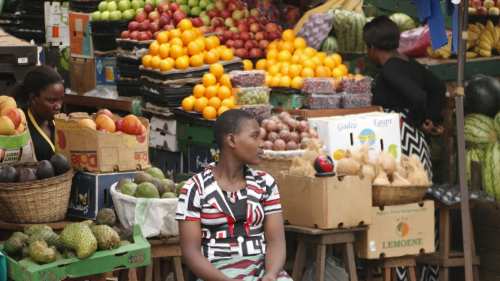
Economists argue that increasing access to capital for women-owned businesses could accelerate formalisation, job creation and household income growth while boosting tax revenues.
Studies by international financial institutions have consistently shown that women entrepreneurs often reinvest a larger proportion of their earnings into family welfare, education and community development, generating broader socio-economic benefits.
Persistent gender gap in lending
Data from the Bank of Tanzania illustrates the scale of the challenge.
Between 2018 and 2022, banks disbursed loans worth TSh50.3 trillion to individual borrowers, while mobile money operators facilitated approximately TSh602 billion in digital credit.
Of the 2.4 million individuals who accessed bank loans during the period, nearly 1.65 million were men compared to 814,075 women. A similar pattern was observed in digital lending, where 2.23 million men benefited from mobile loans against 1.33 million women.
The figures underscore the structural barriers that continue to limit women’s participation in formal financial systems despite years of financial inclusion initiatives.
Industry analysts point to several contributing factors, including lower asset ownership among women, weaker collateral positions, limited access to formal business registration, and cultural perceptions that affect borrowing decisions.
Banking sector sees new growth opportunity
For commercial banks, women-focused lending is increasingly becoming more than a social responsibility initiative.
As competition intensifies within Tanzania’s banking industry, financial institutions are seeking new customer segments capable of driving sustainable loan growth. Women-led micro, small and medium enterprises (MSMEs) represent one of the country’s largest under-served markets.
Several banks have introduced specialized products targeting women entrepreneurs, offering flexible collateral requirements, lower transaction costs and business advisory services.
The growth of these programmes aligns with Tanzania’s broader financial inclusion agenda, which seeks to increase access to formal financial services while reducing reliance on informal and often expensive sources of credit.
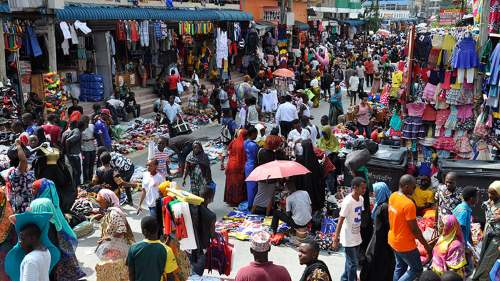
The ministry has urged more women entrepreneurs to take advantage of formal financing opportunities and avoid predatory lending arrangements that continue to flourish in some parts of the informal economy.
Looking ahead
While the disbursement of more than TSh422 billion to women entrepreneurs represents an important milestone, experts say the next challenge will be ensuring that the financing translates into sustainable business growth, higher productivity and greater participation of women in Tanzania’s formal economy.
Achieving that goal will require continued collaboration between government, regulators, banks and development partners to expand financial literacy, strengthen business support services and develop innovative financing models tailored to the realities of women-owned enterprises. As Tanzania pursues its ambition of becoming a middle-income industrial economy, unlocking the full economic potential of women entrepreneurs could prove to be one of the country’s most significant growth opportunities.