
By Business Insider Reporter, Dodoma
Tanzania’s preparations for the 2027 Africa Cup of Nations (AfCON) have come under renewed scrutiny after Mlalo MP, Rashid Shangazi, criticised what he described as a lack of coordinated planning across government ministries, warning that the tournament represents a national economic opportunity that extends far beyond sport.
Speaking during the parliamentary debate on the budget of the Ministry of Information, Culture, Arts and Sports, Shangazi expressed concern that several ministries had presented their spending plans without referencing Tanzania’s role as a co-host of the 2027 AfCON finals alongside Uganda and Kenya under the joint “Pamoja Bid”.
He argued that hosting the continent’s flagship football tournament should be treated as a whole-of-government priority, requiring coordinated investment and policy alignment across sectors. “AfCON is a national agenda, not a matter for the sports ministry alone,” he told Parliament, urging ministries to clearly outline how their budgets will support the successful delivery of the tournament.
The concerns highlight a broader issue facing Tanzania as it prepares to host one of Africa’s largest sporting events: the need to integrate sports planning into wider economic and infrastructure strategies. Major tournaments such as AfCON are widely seen as catalysts for investment in transport, tourism, hospitality, security, and urban development – areas that fall under multiple ministries.
Shangazi singled out key institutions, including those responsible for tourism, home affairs through immigration services, water, local government, transport, and energy, as critical stakeholders in the success of the tournament.
Their involvement, he suggested, will determine whether Tanzania maximises the economic spillovers associated with hosting millions of viewers and thousands of visiting fans, officials, and investors.
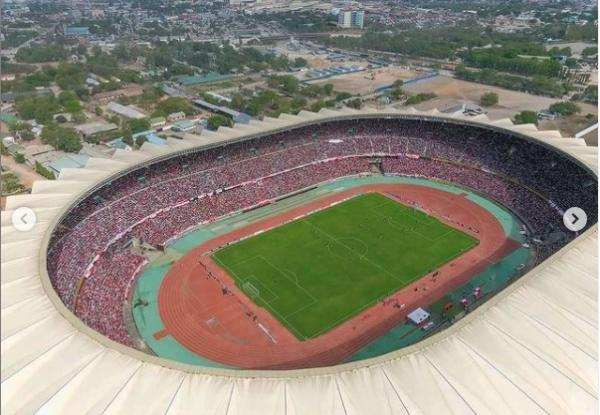
Beyond governance concerns, Shangazi also made a strategic pitch for Tanzania to host the tournament’s final match, arguing that the country has already demonstrated its organisational capacity through recent continental events.
In 2023, Tanzania hosted the opening fixture of the African Football League 2023, where Simba SC faced Egypt’s Al Ahly in Dar es Salaam.
The country also successfully staged matches during the 2024 African Nations Championship (CHAN), reinforcing its credentials as a capable host.
Securing the AfCON final would carry both symbolic and economic weight, Mr. Shangazi stressed.
Major finals typically attract high-profile dignitaries, global media attention, and increased commercial activity, offering host cities a significant boost in tourism revenues and international visibility.
Mr. Shangazi noted that such an opportunity could also galvanise the national team, Tanzania national football team, by creating a strong home advantage and national momentum.
From a business perspective, AfCON 2027 represents a multi-billion-shilling opportunity for Tanzania’s economy. The tournament is expected to accelerate infrastructure upgrades, including stadium modernisation, airport expansion, and improvements in urban transport systems. The hospitality sector, in particular, stands to benefit from increased demand for hotels, restaurants, and related services, while small and medium-sized enterprises could gain from supply chain linkages.

However, analysts caution that realising these benefits will depend heavily on early planning and inter-ministerial coordination. Experiences from previous AfCON hosts show that delays in infrastructure delivery or fragmented planning can erode potential gains and strain public finances.
Shangazi’s intervention therefore underscores a critical juncture for Tanzania.
With just over a year before final preparations intensify, the government faces mounting pressure to align its institutional framework with the scale of the opportunity. If effectively managed, AfCON 2027 could serve as a springboard for long-term investment, tourism growth, and regional integration within East Africa. For now, the parliamentary debate has brought into sharp focus a central question: whether Tanzania can translate its sporting ambition into a cohesive economic strategy capable of delivering lasting value well beyond the final whistle.