By Business Insider Reporter
As Tanzania joined the global community in commemorating World Youth Skills Day on July 15, 2026, one company stood out for translating the day’s message into sustained action.
Serengeti Breweries Limited (SBL) has quietly established itself as one of Tanzania’s foremost corporate champions of youth empowerment, investing not only in jobs but also in the practical skills, knowledge and confidence that young people need to succeed in an increasingly competitive labour market and economy.
At a time when technological change, digital transformation and shifting labour market demands are redefining the future of work, SBL has embraced a broader role beyond business. Through strategic investments in skills development, mentorship and capacity building, the company is helping equip young Tanzanians with market-relevant competencies that improve employability, encourage entrepreneurship and promote lifelong learning.
The significance of these investments is difficult to overstate. Tanzania has one of Africa’s youngest and fastest-growing populations, with hundreds of thousands of young people entering the labour market every year. While many possess academic qualifications and enormous potential, employers continue to emphasize the growing need for practical workplace skills, hands-on experience, adaptability and problem-solving abilities.
World Youth Skills Day, observed annually on July 15, serves as a reminder that preparing young people for the future requires far more than classroom education. It calls for stronger partnerships between governments, educational institutions and the private sector to bridge the gap between learning and employment.
SBL has responded to that challenge by developing programmes that create clear pathways from education to productive careers in sectors that are central to Tanzania’s economic transformation.
Investing in the next generation
For years, SBL has invested in initiatives designed to empower young Tanzanians across agriculture, tourism and hospitality – industries with enormous potential for job creation and inclusive economic growth.
Among its flagship initiatives is the Kilimo Viwanda Scholarship Programme, which has enabled more than 300 young Tanzanians from farming communities to pursue agricultural education and acquire modern technical knowledge. The programme is producing a new generation of agricultural professionals equipped with skills in sustainable farming, agribusiness and productivity improvement, many of whom return to their communities to apply and share what they have learned.
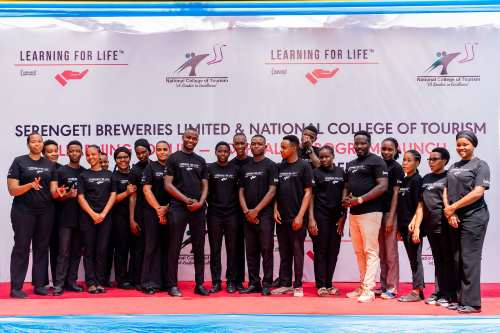
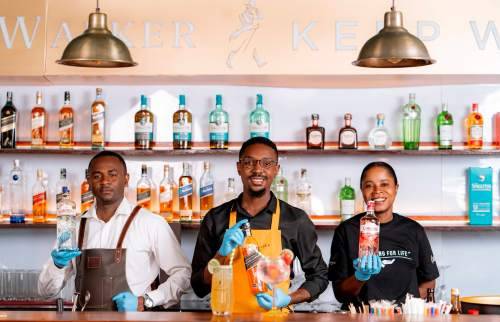
Equally transformative is the Learning for Life Programme, implemented in partnership with the National College of Tourism (NCT). The initiative prepares young people for careers in Tanzania’s expanding hospitality and tourism industry through practical training, professional development and workplace exposure.
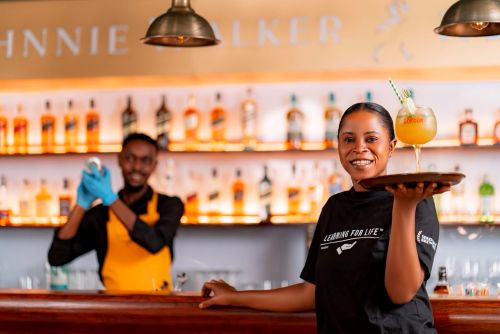
The programme’s first cohort equipped 100 young people, many of whom have since secured employment in the hospitality sector. A second cohort of 200 students has recently completed its training, significantly expanding the programme’s impact.
Building confidence alongside competence
For programme beneficiary Hansen Morris, Learning for Life provided far more than technical hospitality skills.
“Before joining Learning for Life, I knew I wanted to pursue a career in hospitality, but I wasn’t confident enough to compete in the job market. The programme gave me practical experience, improved my communication skills and taught me what employers expect in a professional environment. Today, I feel proud that I am building a long-term career in the hospitality industry. The skills and confidence I gained through this programme have opened doors for me and given me a clear path towards achieving my goals in an industry I genuinely love.”
His experience reflects one of the programme’s greatest strengths – building the confidence, professionalism and workplace readiness that employers increasingly value alongside technical competence.
According to Mariam Mambosasa, Learning for Life Programme Supervisor at the National College of Tourism, the partnership has significantly strengthened students’ transition from education into employment.
“Learning for Life complements what students learn in the classroom by exposing them to real industry expectations. Beyond hospitality techniques, they develop confidence, teamwork, communication and problem-solving skills that employers consistently look for. As educators, it is encouraging to see students become more self-assured and career-ready because of programmes like this. Partnerships with organisations such as Serengeti Breweries Limited help bridge the gap between education and employment while giving our students a clearer pathway into the workforce.”
Transforming agriculture into a career of opportunity
SBL’s investment in agriculture is equally significant. Through the Kilimo Viwanda Scholarship Programme, the company is helping reshape perceptions of agriculture among young Tanzanians – from a traditional livelihood into a modern profession driven by science, innovation, sustainability and entrepreneurship.
Scholarship beneficiary Octavian Burchard says the programme fundamentally changed his outlook.
“The scholarship allowed me to study agriculture without worrying about financial barriers. More importantly, it helped me understand that agriculture is one of Tanzania’s biggest economic opportunities. I now have the knowledge to help farmers improve productivity while creating opportunities for myself and my community. I want young people to see agriculture not as a last option, but as a profession with endless possibilities.”
Graduates return to farming communities equipped not only with technical expertise but also with the ability to introduce modern farming practices, improve productivity and inspire other young people to consider agriculture as a viable and rewarding profession.
Supporting Dira 2050 ambitions
The importance of such initiatives extends well beyond individual success stories.
As Tanzania embarks on implementing Dira 2050, building a highly skilled, innovative and globally competitive workforce has become a national priority. The National Development Vision recognises that the country’s greatest strategic asset is its youthful population and places strong emphasis on practical skills, technological capability, creativity, innovation and lifelong learning as foundations for sustainable development.
Achieving these ambitions will depend on sustained collaboration between government, educational institutions and responsible private sector partners.
SBL’s long-term investment in youth skills demonstrates how businesses can become active contributors to national development by helping prepare young people not only to secure employment, but also to create enterprises, embrace innovation and drive economic transformation. As Tanzania commemorated World Youth Skills Day, SBL’s experience offers an important lesson: investing in young people is not simply a corporate social responsibility initiative – it is an investment in the country’s future competitiveness, productivity and prosperity. By equipping the next generation with the skills demanded by a rapidly changing world, the company is helping build a workforce capable of turning Tanzania’s long-term development ambitions into reality.