
By Correspondent Asia Singano, Dodoma
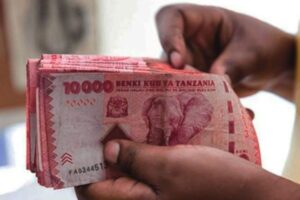
Tanzania is stepping up efforts to improve young people’s access to business finance, with the government pledging to work with commercial banks to establish and expand dedicated youth banking windows and loan products aimed at supporting entrepreneurship, production and job creation.
The initiative is part of a broader strategy to reduce barriers that prevent young people from accessing capital to start businesses, expand existing enterprises and participate more fully in the economy.
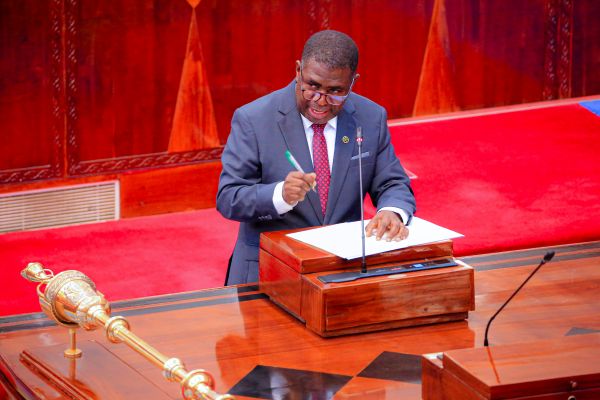
Deputy Minister for Finance Mshamu Ali Munde told Parliament that the government recognised the importance of improving access to finance for young entrepreneurs and was pursuing measures to strengthen financial services for young people through banks and other financial institutions.
He was responding on behalf of Finance Minister Khamis Mussa Omar to a question from Special Seats MP Timida Mpoki Fyadomo, who wanted to know the government’s plans for establishing dedicated youth financing windows in commercial banks.
Munde said the government would continue engaging commercial banks to encourage the introduction and expansion of specialised lending facilities and products for young people.
“The government will continue working with commercial banks to encourage the establishment and expansion of dedicated windows and loan products for young people, with the aim of reducing the barriers they face in accessing financial services, particularly loans that enable them to become self-employed and expand their economic activities,” he said.
Credit access remains central to youth enterprise
The government says it is strengthening credit guarantee arrangements, empowerment programmes and financial literacy initiatives to improve young people’s ability to obtain capital for economic activities.

Munde cited Bank of Tanzania statistics showing that youth savings accounts in commercial banks reached 9.58 million in 2025.
The figure points to a substantial level of engagement by young people with formal banking services. However, the number of savings accounts does not, on its own, indicate how many young people have access to business loans or how much credit is reaching youth-owned enterprises.
The proposed expansion of dedicated lending windows could help address that gap by encouraging financial institutions to develop products suited to the circumstances of young entrepreneurs.
One of the legal measures highlighted by Munde is the Movable Property Security Rights Act No. 5 of 2026, which is intended to ease collateral constraints for people seeking loans.
The law is particularly relevant to borrowers who may have business equipment, inventory or other movable assets but lack conventional security such as land or buildings. Its practical contribution will depend on how effectively lenders accept and value such assets when assessing loan applications.
Munde said the measures were intended to increase access to capital so that young people could establish and grow businesses, raise production and create employment.
He added that cooperation between the government and financial institutions remained essential to building an environment in which young people could participate more effectively in economic activities.
For the banking sector, the proposed approach presents an opportunity to expand lending to a wider customer base. Its success, however, will depend on the design of the loan products, lending conditions, affordability and the ability of young businesses to meet repayment obligations.
The government did not provide a timetable for introducing the proposed banking windows or details of the lending targets expected from commercial banks.
Parliament seeks greater disclosure of extractive revenues
In a separate parliamentary response, Munde outlined existing arrangements for reporting revenue generated from large-scale mining, oil and gas operations, including payments made by companies and receipts recorded by the government.
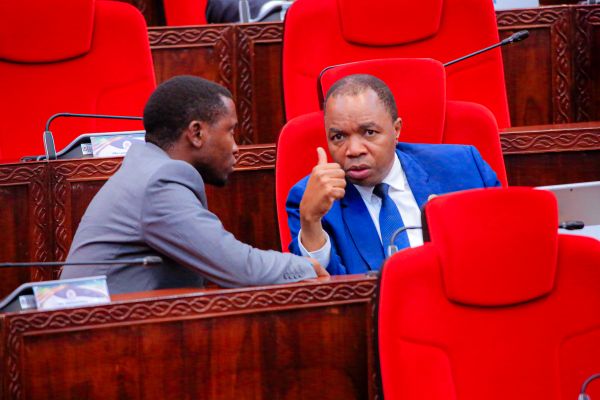
He was responding to Bahi MP Kenneth Ernest Nollo, who asked when the government would begin providing Parliament with annual reports on revenue collected from major mining, oil and gas projects.
Munde said the information was already disclosed through several channels, including the framework established under the Transparency and Accountability in the Extractive Industries Act.
He referred to Section 16(1) of the law, which requires the Tanzania Extractive Industries Transparency Initiative (TEITI) Committee to publish an annual report reconciling payments made by major companies in the extractive sector with revenues received by the government.
The reports provide a mechanism for comparing what companies say they have paid with what the government records as having received, supporting public scrutiny of revenue flows from natural resources.
Munde added that ministers responsible for the respective sectors also present relevant revenue information to Parliament when submitting their ministries’ annual budget estimates.
“The government continues to improve public access to this information, including for the Honourable Parliament of the United Republic of Tanzania, in order to strengthen the principles of transparency and accountability,” he said.
Free carried interest included in disclosures
The Deputy Minister also said the information would cover revenue arising from the government’s Free Carried Interest (FCI) arrangements in companies that have signed mineral development agreements.
Free Carried Interest gives the government an equity stake in qualifying mining companies under the relevant agreements. Including information on these arrangements in public reporting is important because the value of the government’s participation is part of the wider picture of how the country benefits from extractive-sector investment.
The government’s position is that improving disclosure will strengthen oversight of national resources and make revenue information more accessible to Parliament and the public.
The two issues raised in Parliament highlight different but connected dimensions of Tanzania’s economic development agenda: widening access to finance for young entrepreneurs and improving accountability over income generated from natural resources.
While youth-focused lending is intended to expand participation in productive economic activity, transparent reporting of extractive revenues is central to public scrutiny of how the country’s mineral, oil and gas wealth is managed. For both objectives, the effectiveness of the measures will ultimately depend on implementation, the quality of information made available and the extent to which the intended beneficiaries can see tangible results.