By Business Insider Reporter
Tanzania is strengthening efforts to protect its natural and cultural heritage assets that underpin one of the country’s most important economic sectors – tourism – as global pressure mounts on conservation areas from climate change, human activity and rising visitor numbers.
The government has reaffirmed its commitment to sustainable conservation, highlighting the role of international partnerships, particularly through the United Nations Educational, Scientific and Cultural Organisation (UNESCO), in protecting sites that contribute billions of shillings to the national economy.
Addressing the 48th Session of the UNESCO World Heritage Committee in Busan, South Korea, Tanzania’s Minister for Constitution and Legal Affairs, Juma Homera, said global cooperation remains essential in safeguarding Africa’s most valuable ecological and historical assets.
The meeting brought together representatives from 21 member states, conservation experts and heritage specialists to review the condition of World Heritage Sites, consider new nominations and assess properties facing threats that could undermine their Outstanding Universal Value.
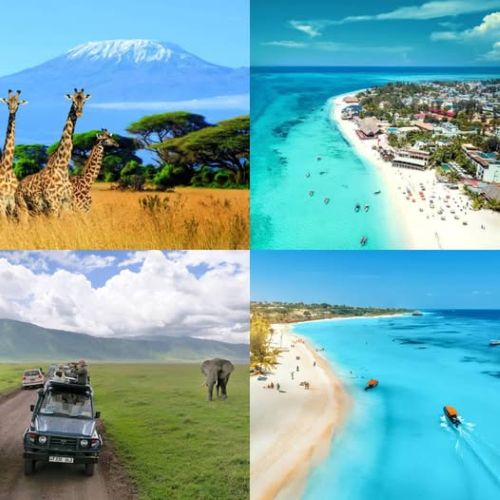
For Tanzania, the discussions are closely linked to the future of its tourism economy, which depends heavily on internationally recognised destinations such as the Serengeti National Park, Mount Kilimanjaro, Selous Game Reserve, Ruins of Kilwa Kisiwani and Stone Town of Zanzibar.
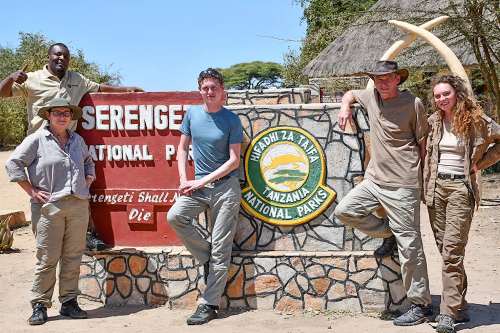
These seven UNESCO-recognised properties represent some of the country’s most valuable tourism assets, attracting millions of visitors while supporting employment, foreign exchange earnings and investment opportunities across hospitality, transport and local communities.
Conservation as an economic investment
Tanzania’s approach reflects a growing recognition that conservation is not only an environmental responsibility but also an economic investment.
The tourism sector relies on maintaining the quality and uniqueness of natural landscapes, wildlife populations and cultural heritage sites. Poor management, environmental degradation or loss of ecological value could directly affect visitor numbers, investor confidence and revenue generation.
Minister Homera acknowledged the contribution of UNESCO’s International Assistance Programme in strengthening Tanzania’s conservation capacity through technical support, professional training and improved management systems.
Among the key areas supported include:
- Training of heritage and conservation professionals;
- Development of technical management frameworks;
- Strengthening emergency response systems for threatened sites; and
- Improving scientific approaches to site protection.
The support is particularly important as conservation authorities face increasingly complex challenges, including climate change impacts, rising tourism pressure and the need to balance infrastructure development with environmental protection.
Seven World Heritage Sites, one economic opportunity
Tanzania’s UNESCO portfolio covers both natural and cultural heritage, creating opportunities for diverse tourism products.
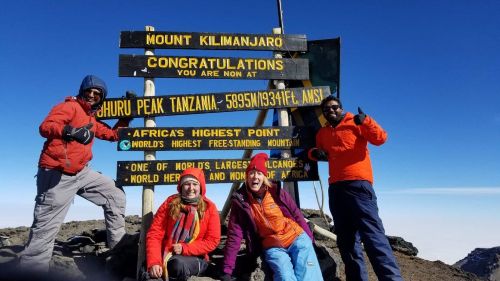
The Serengeti ecosystem, famous for the annual wildebeest migration, remains one of the world’s most recognised wildlife destinations, while Mount Kilimanjaro attracts adventure tourism and international climbers.
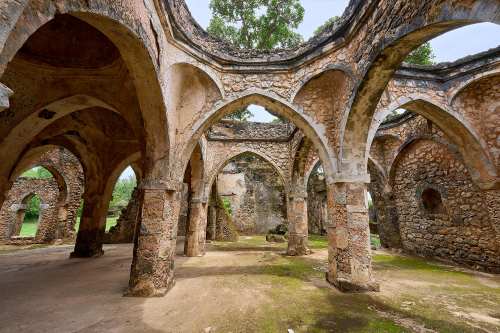
Along the coast, historical sites such as Stone Town of Zanzibar and Kilwa Kisiwani preserve centuries of African, Arab and Indian Ocean heritage, supporting cultural tourism and local businesses.
The protection of these sites has wider economic benefits, supporting thousands of enterprises involved in accommodation, tour operations, transport, handicrafts and food services.
Technology and skills driving modern conservation
Tanzania’s conservation strategy increasingly depends on modern technology and scientific expertise.
Through partnerships with international organisations, conservation agencies are adopting tools such as geographic information systems (GIS), digital monitoring systems and improved wildlife management approaches.
Such technologies enable authorities to track environmental changes, manage visitor flows and make evidence-based decisions on infrastructure development around sensitive areas.
Minister Homera emphasised that building local expertise remains one of the most important benefits of international cooperation.
Developing a new generation of African conservationists, archaeologists and heritage managers ensures that countries can independently manage their natural and cultural assets over the long term.
Balancing development and conservation
Across Africa, governments face the challenge of pursuing economic development while protecting globally important heritage sites.
Large infrastructure projects, urban expansion and changing land-use patterns often create tensions between development objectives and conservation requirements.
Tanzania has committed to strengthening compliance with the 1972 World Heritage Convention, including ensuring environmental impact assessments are conducted before implementing major projects near protected areas.
This approach aims to ensure that economic growth and conservation progress together rather than competing against each other.
UNESCO partnership and Tanzania’s tourism future
The Busan meeting highlighted the growing importance of international partnerships in protecting heritage sites threatened by climate change and other pressures.
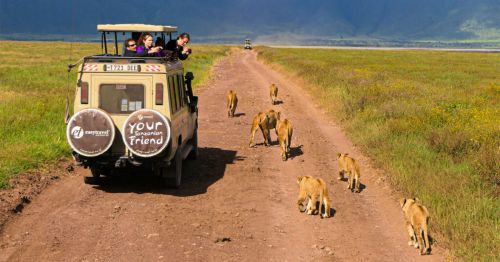
Coastal heritage areas such as Zanzibar face risks from rising sea levels and coastal erosion, while ecosystems such as Serengeti are experiencing changes linked to shifting climate patterns.
For Tanzania, continued support from UNESCO and other global partners provides an opportunity to strengthen conservation systems while unlocking greater economic value from sustainable tourism.
As global travellers increasingly prioritise environmentally responsible destinations, countries that successfully protect their natural and cultural assets stand to gain a competitive advantage. Tanzania’s message in South Korea was clear: conservation is no longer simply about preserving the past. It is about protecting economic assets, creating sustainable businesses and securing opportunities for future generations.