By Correspondent Peter Haule
The Tanzanian government has reaffirmed its strong partnership with the World Bank, describing the institution as one of the country’s most important development partners in driving economic transformation, infrastructure expansion and social development.
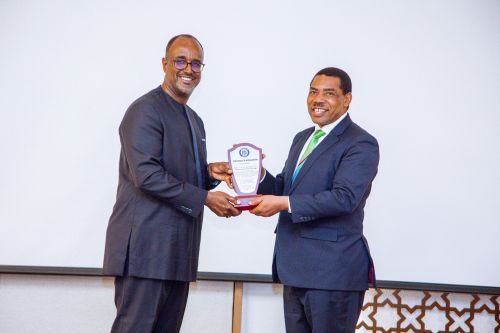
The renewed commitment was underscored during a farewell ceremony held in Dar es Salaam for former World Bank Country Director for Tanzania, Malawi, Zambia and Zimbabwe, Nathan Belete, and the official welcome of his successor, Firas Raad.
The event, officiated by Prime Minister Mwigulu Lameck Nchemba, brought together senior government officials, development stakeholders and financial sector leaders, highlighting the growing strategic importance of multilateral financing in Tanzania’s long-term development agenda.
Speaking during the event, Deputy Minister for Finance Mshamu Ali Munde said cooperation between Tanzania and the World Bank has become a key pillar in implementing major socio-economic development projects across the country.
He praised Belete for strengthening collaboration during his tenure and reaffirmed the government’s readiness to work closely with Raad in advancing shared development priorities aligned with Tanzania’s Dira 2050 agenda.
“The presence of the Prime Minister at this event demonstrates the importance the Government places on its partnership with the World Bank and other development partners in accelerating economic and social transformation,” Munde said.
The scale of the partnership reflects Tanzania’s increasing reliance on development financing to support strategic sectors of the economy.
According to Permanent Secretary in the Ministry of Finance, Natu El-Maamry Mwamba, Tanzania secured approximately US$4.27 billion in funding during Belete’s tenure alone, supporting projects and programmes across transport, energy, water, agriculture, health, education, urban development, social protection, policy reforms and climate resilience.
She added that as of April 30, 2026, the total value of active World Bank-supported projects in Tanzania had reached approximately US$8.95 billion.
“These projects continue to contribute significantly to improving the lives of Tanzanians while strengthening the country’s economic transformation agenda,” Mwamba said.
The growing World Bank portfolio comes at a time when Tanzania is accelerating implementation of large-scale infrastructure projects, industrialisation initiatives and social sector reforms under President Samia Suluhu Hassan’s administration.
Over the past several years, Tanzania has increasingly positioned itself among Africa’s stronger-performing economies in terms of development project implementation and absorption of concessional financing.
Belete noted that the World Bank had been encouraged by Tanzania’s strong commitment to economic reforms and efficient utilisation of development funds.
He said the partnership had enabled Tanzania to significantly increase budget support financing through Development Policy Operations (DPOs), with annual support rising from approximately US$250 million to more than US$500 million.
According to him, the financing has helped support reforms in education, private sector development and public-private partnership (PPP) investments.
“Tanzania is among the countries making very effective use of World Bank financing in Africa,” Belete said, citing visible progress in infrastructure, energy, transport and education sectors.
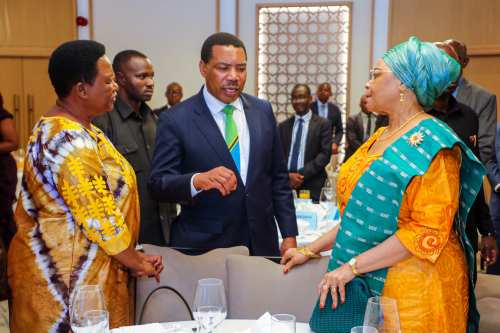
He also revealed that Prime Minister Nchemba, during his previous tenure as Finance Minister, consistently advocated for larger transformational projects capable of generating meaningful economic impact rather than fragmented small-scale initiatives. The event was also attended by Works Minister Abdallah Hamis Ulega, Deputy Minister for Foreign Affairs and East African Cooperation Ngwaru Jumanne Maghembe, Bank of Tanzania Deputy Governor Sauda Msemo and other senior government officials.