
By Business Insider Reporter
Africa’s private capital landscape is undergoing a structural shift, with deal activity rising even as capital becomes more selective. Within this evolving environment, Tanzania is emerging as a steady, reform-driven market – holding its ground amid intensifying competition from regional peers.
According to a 2025 report by the African Private Capital Association (AVCA), the continent recorded US$5.1 billion in investments across 530 deals, marking an 8 percent increase in deal volume for the third consecutive year. This growth comes despite a 7 percent decline in global deal activity, underlining Africa’s resilience as an investment destination.
East Africa surges – Tanzania part of the momentum
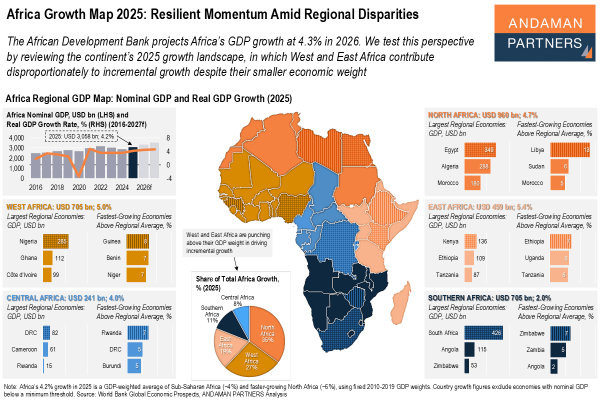
While Southern Africa retained its lead with US$1.6 billion in deal value, East Africa emerged as the fastest-growing investment hub, with deal value surging by 75 percent year-on-year to reach US$1.2 billion.
This regional surge places Tanzania within a high-growth corridor that includes Kenya, Uganda and Rwanda – markets that are increasingly attracting investor attention due to improving regulatory frameworks, infrastructure investment and expanding consumer bases.
However, unlike Kenya, which continues to dominate fintech-driven deal activity, Tanzania’s investment story is more diversified and policy-led, anchored in infrastructure, energy, logistics and industrialisation.
A steady performer in a competitive field
Tanzania’s relative strength lies in its stability and long-term investment fundamentals rather than high-volume venture capital inflows.
Ongoing mega-projects – ranging from railways and ports to energy and industrial parks – are positioning the country as a strategic destination for private capital seeking lower-risk, asset-backed opportunities.
This contrasts with more volatile, innovation-led markets in the region where deal activity is concentrated in early-stage technology ventures.
For investors recalibrating risk following the post-2022 correction, Tanzania’s model – grounded in public investment and regulatory reforms – offers a compelling alternative.
Smaller deals, sharper focus
The broader continental trend of rising deal volumes but declining deal values is also shaping Tanzania’s investment landscape.
Africa’s total deal value declined by 5 percent year-on-year, while fundraising dropped sharply by 34 percent to US$2.7 billion. This reflects tightening liquidity and a shift in investor behaviour towards smaller, more disciplined transactions.
For Tanzania, this shift could prove advantageous.
With fewer mega-deals dominating the market, mid-sized investments – particularly in manufacturing, agribusiness and services – are gaining traction. This aligns closely with Tanzania’s economic structure, where SMEs and mid-tier enterprises play a central role.
Fintech dominance – and Tanzania’s divergence
Across Africa, fintech remains the dominant investment sector, accounting for 82 per cent of financial services deals. Yet Tanzania’s fintech ecosystem, while growing, is less dominant compared to Kenya’s globally recognised digital finance sector.
Instead, Tanzania is carving out a different niche – leveraging its geographic position, natural resources and infrastructure expansion to attract investment into logistics, trade corridors and industrial value chains.
This diversification may insulate the country from sector-specific shocks while providing a broader base for long-term growth.
Rise of African capital – and regional implications
One of the most significant structural shifts highlighted in the AVCA report is the growing role of African investors.
Between 2022 and 2025, participation by African Limited Partners surged from 29 percent to 74 percent, while Development Finance Institutions (DFIs) accounted for 64 percent of total fundraising.
For Tanzania, this trend is particularly relevant. Regional and continental capital is more likely to align with long-term infrastructure and industrial projects – areas where Tanzania has a clear strategic focus.
Private debt and infrastructure gain ground
Private debt deal volumes surged by 57 percent in 2025, while infrastructure investments rose by 47 percent in value – two trends that closely mirror Tanzania’s investment priorities.
As the country continues to invest in transport corridors, energy generation and industrial parks, it is well positioned to attract this type of capital, particularly from DFIs and institutional investors seeking stable, yield-generating assets.
Challenges remain
Despite the positive trajectory, Tanzania faces competition from more mature capital markets within the region.

Kenya’s deep financial ecosystem, Rwanda’s ease of doing business reforms and Uganda’s growing oil and gas sector continue to draw investor attention. To remain competitive, Tanzania will need to sustain reforms, improve regulatory efficiency and deepen its capital markets.
A disciplined future for investment
Across Africa, the investment narrative is shifting from rapid expansion to disciplined growth. Mid-market deals – particularly in the US$50–99 million range – are becoming the new centre of gravity, reflecting a recalibration of risk and return expectations.
For Tanzania, this transition aligns with its economic structure and development strategy.
Outlook: positioning for the next phase
Looking ahead to 2026, investment activity across Africa is expected to remain selective, with fundraising constrained and capital flowing towards well-structured, bankable opportunities.
Within this environment, Tanzania’s ability to combine macroeconomic stability, infrastructure investment and sectoral diversification positions it as a resilient player in East Africa’s investment landscape.
While it may not yet match the deal intensity of its regional peers, its steady, fundamentals-driven approach could prove increasingly attractive as investors prioritise sustainability over scale. In a continent where capital is becoming more cautious and strategic, Tanzania’s measured pace may ultimately become its strongest competitive advantage.