By Correspondent Saidina Msangi
The government has called for a reset in its working relationship with non-governmental organisations (NGOs), urging stakeholders to propose practical measures that can strengthen collaboration, improve transparency and enhance accountability in the delivery of development projects.
The appeal was made by John Kuchaka, Acting Assistant Commissioner in the External Finance Department at the Ministry of Finance, during a one-day stakeholder workshop held in Dar es Salaam.
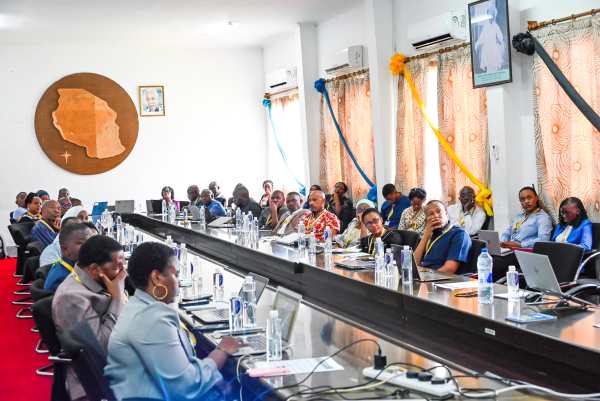
The meeting brought together NGO representatives from across mainland Tanzania, including Dar es Salaam, Tanga, Lindi, Mwanza, Pwani, Mtwara, Kagera and Arusha.
Kuchaka said the initiative is part of a broader government effort to ensure that development interventions are implemented more efficiently and in line with national priorities.
He emphasised that NGOs remain critical partners in delivering social services and supporting public sector initiatives, particularly in underserved communities.
“Government continues to take deliberate steps to ensure that development is inclusive and sustainable. The role of NGOs is vital in extending services to communities and complementing state efforts across sectors,” he said.
Aligning systems for impact
A central issue raised during the workshop was the need for a shared understanding of the regulatory and operational frameworks governing development cooperation.
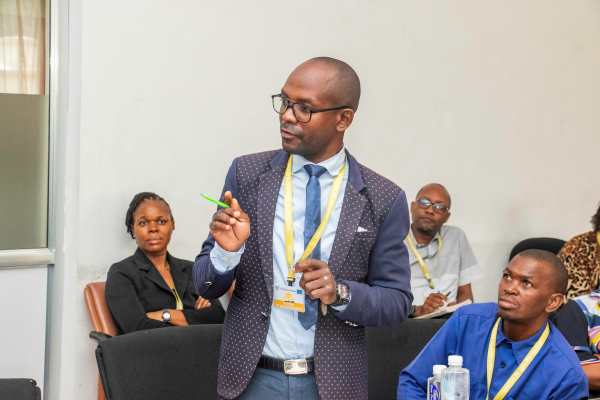
(Photos by Government Communication Unit, Ministry of Finance, Dar es Salaam)
Kuchaka stressed that stronger alignment with key guidelines – ranging from financial compliance frameworks to government budgeting processes – would significantly improve project execution and accountability.
Participants were introduced to several policy instruments, including financial compliance and partnership guidelines for NGOs, as well as broader government coordination frameworks. These tools are designed to standardise engagement, reduce duplication and ensure that development resources are utilised effectively.
The workshop also encouraged participants to identify systemic gaps and propose reforms that could strengthen reporting, monitoring and coordination mechanisms.
A growing but evolving sector
Tanzania’s NGO sector has expanded rapidly over the years, becoming a key player in delivering donor-funded programmes and community-based initiatives. From health and education to agriculture and social protection, NGOs often serve as implementation partners in areas where public sector capacity is stretched.
However, this growth has also brought increased scrutiny. In recent years, the government has tightened oversight of civil society organisations, particularly around financial flows, reporting standards and alignment with national development frameworks such as Tanzania Development Vision 2025 and the forthcoming Dira 2050.
Policy analysts argue that while regulatory oversight is necessary to ensure accountability, sustained engagement between government and NGOs is equally important to maintain trust and operational efficiency.
Sector response and capacity needs
Speaking on behalf of participants, Fransisca Mboya, Secretary General of the National Council of NGOs, said the workshop had provided valuable insights into how organisations can better communicate their contributions and align with national priorities.
She noted that participants had put forward recommendations aimed at improving collaboration, including clearer reporting structures and regular stakeholder engagements.
Importantly, stakeholders called for continued capacity-building initiatives, particularly in financial management and compliance. Such efforts, they said, would help NGOs meet regulatory expectations while enhancing their effectiveness in delivering development outcomes.
Strategic implications
The renewed push for stronger NGO–government coordination comes at a time when Tanzania is positioning itself for accelerated economic transformation under Dira 2050.
As development financing becomes increasingly results-driven, partnerships that prioritise transparency, accountability and measurable impact are likely to play a more prominent role. A more structured and collaborative relationship with NGOs could therefore enhance Tanzania’s ability to mobilise resources, improve service delivery and ensure that development programmes generate tangible socio-economic benefits.