By Costantine Muganyizi
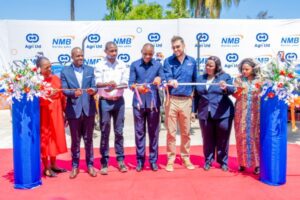
Stanbic Bank Tanzania has secured TSh 70 billion from international impact investors to boost lending to SMEs and expand access to business financing.
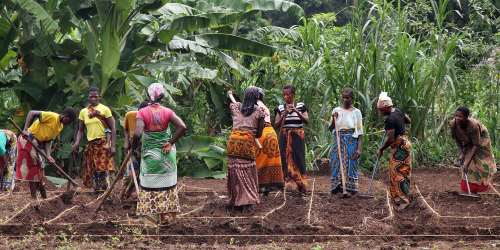
The funding, which will be directed primarily towards sustainable agriculture and agricultural value chains, is set to improve access to capital for growing businesses while supporting Tanzania’s broader goals of inclusive, sustainable and private-sector-led economic growth.
The facility, arranged through a partnership with Finance in Motion and the eco.business Fund, consists of a TSh 50 billion tranche secured in 2025 and an additional TZS 20 billion obtained in 2026.
The funding will be extended in Tanzanian shillings, helping local enterprises access long-term financing without the foreign exchange risks often associated with external borrowing.
The new facility comes at a time when SMEs continue to play an increasingly important role in Tanzania’s economy, accounting for a substantial share of employment, entrepreneurship and value creation across key sectors. Access to affordable and appropriately structured financing, however, remains one of the biggest challenges facing many businesses seeking to expand operations, improve productivity and create jobs.
Speaking during the signing ceremony, Stanbic Bank Tanzania Chief Financial and Value Officer Derick Lugamala said the facility reflects the bank’s commitment to supporting enterprises with financing that drives growth while encouraging responsible business practices.
“SMEs remain central to Tanzania’s economic future. They create jobs, support households, strengthen supply chains and keep local enterprise moving. Through this facility, we are expanding access to practical financing that helps businesses invest, grow and become more resilient,” said Mr Lugamala.
He added that the partnership goes beyond providing capital by supporting businesses that are adopting more sustainable ways of operating.
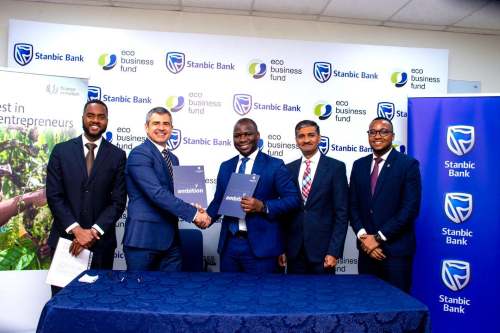
“This partnership with Finance in Motion and the eco.business Fund allows us to support enterprises that are not only looking for capital but also working towards more sustainable ways of doing business. For Stanbic, this is about helping Tanzanian businesses grow with confidence while contributing to a stronger and more responsible economy,” he said.
The facility supports Tanzania’s Dira 2050 ambitions of private-sector-led growth, agricultural transformation and inclusive economic development.
The transaction also underscores the growing role of responsible finance in Tanzania, promoting sustainable business practices, climate resilience and stronger environmental, social and governance (ESG) standards.
Michael Evers, Chairperson of the eco.business Fund Board of Directors, said the partnership demonstrates the role that targeted financing can play in supporting both economic growth and environmental sustainability.
“We are pleased to continue working with Stanbic Bank Tanzania to expand access to finance for businesses operating in sustainable agriculture and agricultural value chains. These sectors are vital to local economies, and the right financing can help improve productivity, strengthen supply chains and support more sustainable production practices,” said Evers.
“Through the eco.business Fund, we aim to support enterprises that can deliver real economic and environmental value. This facility gives more Tanzanian businesses an opportunity to grow in ways that protect resources, support communities and build long-term resilience,” he added.
For Stanbic, the facility represents another step in its broader strategy of supporting Tanzania’s economic transformation through practical financing solutions tailored to the needs of local businesses.
Speaking at the event, Stanbic Bank Head of Business and Commercial Banking Fredrick Max said the bank remains committed to working with partners who share its vision for Tanzania’s growth and development.
“Our focus is to provide solutions that meet the needs of our clients and support the development of the economy. This facility is another step in that direction. It enables us to serve more SMEs, support more sectors and contribute to a more sustainable business environment,” said Max.
He noted that partnerships between local financial institutions and international impact investors are becoming increasingly important in addressing financing gaps that continue to constrain SME growth.
“Stanbic’s purpose is clear. Tanzania is our home, and we drive her growth. Partnerships such as this help us turn that purpose into practical support for businesses that are building the country’s future,” he said.
The transaction also sends a strong signal to the market about growing international confidence in Tanzania’s financial sector and its capacity to channel capital toward productive sectors of the economy.
As the country advances toward its long-term development goals, initiatives such as this demonstrate how responsible finance can be used not only to expand business opportunities but also to promote resilience, sustainability and shared prosperity. The signing ceremony concluded with both parties reaffirming their commitment to supporting Tanzania’s private sector through financing solutions that create economic value while encouraging responsible and sustainable growth.