
By Correspondent Peter Haule, Arusha
Tanzania’s electronic public procurement system is rapidly reshaping the way government purchases goods and services, with more than TSh14.5 trillion worth of contracts processed digitally during the past financial year as the country accelerates reforms aimed at improving transparency, competition and value for public money.
The figures underline the growing importance of the National e-Procurement System of Tanzania (NeST), which has become the backbone of public procurement as the government pushes ahead with its wider digital transformation agenda and seeks to strengthen accountability in public expenditure.
Speaking at the 10th Public Procurement Forum 2026 in Arusha, the Minister of Finance, Ambassador Khamis Mussa Omar, said the adoption of NeST had continued to expand across government institutions, significantly improving the management of procurement and supply chain activities.
The Minister’s speech was delivered on his behalf by Arusha Regional Administrative Secretary Dr Toba Nguvila.
According to the government, 181,057 procurement contracts worth TSh14.5 trillion were awarded through the NeST platform during the 2025/26 financial year up to 30 June 2026, highlighting the system’s growing role in the execution of public procurement.
At the same time, 45,270 suppliers had been approved and registered on the platform by the end of June, with 95 percent of them being local companies.
The figures reflect a deliberate policy to use public procurement not only as a mechanism for acquiring goods and services but also as an instrument for stimulating domestic enterprise and industrial development.
Public procurement accounts for a significant share of government expenditure, making the efficiency of the system critical to both fiscal management and private-sector growth.
Dr Nguvila said the increasing use of NeST had strengthened transparency, enhanced competition among suppliers and improved value for taxpayers’ money by digitising every stage of the procurement process.

The platform now manages the entire procurement cycle – from supplier registration and tender preparation to contract administration and payment – eliminating many of the manual processes that have historically been associated with delays, inefficiencies and governance risks.
“The completion of NeST marks a major milestone in Tanzania’s digital transformation of public procurement,” Dr. Nguvila said.
He noted that the system has now been fully developed and all key procurement activities are conducted electronically.
The government’s confidence in the platform has been reinforced by international recognition. NeST was recently selected among the world’s top 20 government digital systems in the World Summit on the Information Society Awards, reflecting Tanzania’s progress in applying digital technologies to public service delivery and sustainable procurement.
Officials believe such recognition strengthens the country’s reputation as it continues modernising public financial management.
The Finance Ministry also made it clear that compliance with the electronic system is no longer optional.
All public institutions are legally required to conduct procurement through NeST, and any entity purchasing goods or services outside the platform will be considered to be in breach of the Public Procurement Act.
The government says it will continue monitoring compliance to ensure procurement activities remain transparent and fully aligned with the law.
Beyond improving governance, NeST is expected to generate wider economic benefits.
The high proportion of locally registered suppliers demonstrates the government’s commitment to expanding opportunities for Tanzanian businesses to participate in public tenders. Increased participation by domestic firms is expected to support industrial development, create employment and retain more procurement spending within the national economy.
The government increasingly views procurement as a strategic economic policy tool capable of driving industrialisation and supporting the objectives of Tanzania’s Development Vision 2050 (Dira 2050).
Meanwhile, the Director General of the Public Procurement Regulatory Authority (PPRA), Dennis Simba, urged all public institutions to comply fully with procurement legislation, warning that organisations failing to observe the law would be publicly identified in line with directives issued by President Samia Suluhu Hassan.
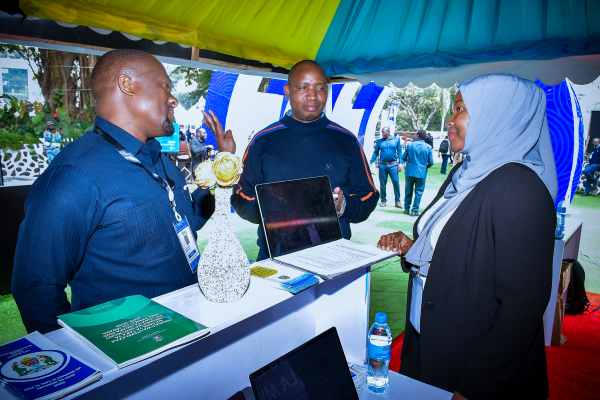
He also encouraged procurement professionals attending the forum to strengthen their technical expertise and embrace digital systems that improve efficiency and accountability.
As Tanzania continues investing in digital government, the rapid expansion of NeST illustrates how technology is becoming central to public sector reform. For businesses, particularly local suppliers, the platform offers greater access to government procurement opportunities through a standardised and transparent process. For policymakers, it represents more than an electronic procurement system. It is an instrument for improving public financial management, promoting fair competition and ensuring that government spending delivers stronger economic returns while supporting the country’s broader industrialisation agenda.