By Business Insider Reporter
Developing countries have taken a significant step towards strengthening their collective influence in global debt discussions, with the United Nations Trade and Development (UNCTAD) announcing the first Governing Council meeting of the Borrowers’ Platform, an initiative designed to help countries navigate mounting debt pressures and increasingly complex international financing conditions.
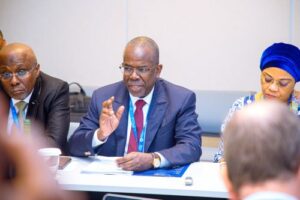
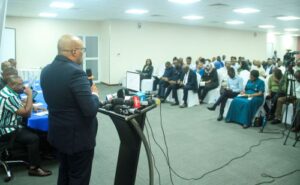
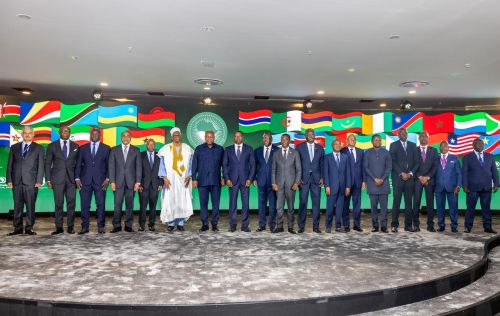
The meeting, held in Bangkok on October 12, 2026, on the sidelines of the Annual Meetings of the International Monetary Fund (IMF) and World Bank Group, brought together finance ministers, central bank governors and senior government officials from developing economies.
According to UN Trade and Development, the meeting marks the beginning of the Platform’s first annual cycle, creating a structured mechanism through which borrowing countries can exchange expertise, strengthen technical capacity and develop a more coordinated voice in international debt policy discussions.
The initiative comes as developing economies face growing pressure from high debt-servicing costs, constrained access to affordable financing and competing demands for public investment.
For African economies, including Tanzania, the issues being addressed by the Platform are particularly relevant as governments seek to balance infrastructure development, social spending and debt sustainability.
A collective response to mounting debt pressures
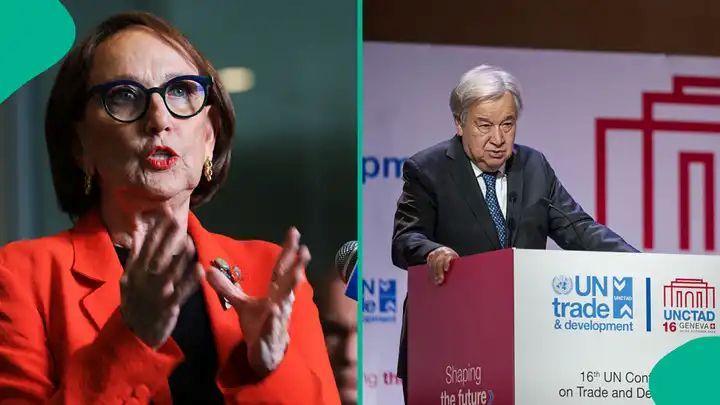
UN Secretary-General António Guterres described the difficult financing environment confronting developing countries as a combination of economic and geopolitical challenges.
“Developing countries face a perfect storm with geopolitical tensions and conflicts, trade and climate pressures, a lack of adequate financing and high debt-service burdens,” Guterres said in an address to the Platform’s new member countries.
“The Borrowers Platform offers members an opportunity to navigate this storm,” he added.
The UN chief welcomed participating countries’ commitment to building a mechanism for exchanging knowledge, practical tools and policy approaches, while strengthening their influence in global discussions on debt.
According to UNCTAD, 31 developing countries have formally joined the Platform, with several others expressing interest.
The initiative was launched in April 2026, with Egypt serving as Interim Chair and UNCTAD providing secretariat services.
Since then, participating countries have been working to establish governance arrangements, identify priority technical issues and prepare the Platform’s initial programme of activities.
The Bangkok meeting represents a transition from institutional preparation to structured cooperation among member countries.
Protecting development spending
One of the central concerns driving the initiative is the increasing share of government resources absorbed by debt servicing.
UNCTAD’s A World of Debt publication highlights the pressure that public debt places on development financing, particularly in countries already struggling to meet infrastructure and social investment needs.
Further UNCTAD analysis indicates that interest costs in developing economies have increased much faster than government revenues over the past decade.
This imbalance creates difficult fiscal choices for governments, which must allocate resources between servicing existing obligations and financing essential public services.
As debt-servicing costs rise, governments may have less fiscal space to invest in roads, electricity, water systems, education and healthcare.
The consequences extend beyond public budgets.
Reduced infrastructure investment can increase operating costs for businesses, while limited spending on education and healthcare can weaken the productivity of the workforce.
For countries pursuing industrialisation and economic transformation, maintaining access to sustainable financing is therefore essential.
What the Platform means for African economies
Although the Borrowers’ Platform is a global initiative, its objectives are directly relevant to African countries seeking affordable development finance.
Many governments on the continent rely on a combination of concessional loans, commercial borrowing and domestic revenue to finance their development programmes.
Managing these financing sources has become increasingly challenging amid volatile international capital markets and higher borrowing costs.
Through the Platform, participating countries will be able to exchange practical experiences on debt management, improve access to technical expertise and strengthen their understanding of financing instruments and creditor arrangements.
Such cooperation could help governments make better-informed borrowing decisions, improve debt transparency and strengthen their capacity to assess financial risks.
For Tanzania, these issues align with the broader challenge of mobilising resources for infrastructure, industrial development and public services while maintaining sustainable public finances.
The country’s long-term development ambitions will require substantial investment, making financing costs, debt management and access to concessional resources important economic considerations.
However, UNCTAD’s announcement does not identify Tanzania among the Platform’s 31 formal members. Its participation should therefore not be assumed.
Not a debt restructuring forum
UNCTAD emphasised that the Borrowers’ Platform is intended to complement existing international debt mechanisms rather than replace them.
Importantly, it is neither a forum for collective debt restructuring nor a mechanism for collective bargaining with creditors.
Instead, it provides a dedicated space for governments to share experiences, identify common technical priorities and strengthen their participation in international discussions affecting their financing conditions.
This distinction is important because the Platform does not automatically provide debt relief, reduce interest rates or change existing loan agreements.
Its potential value lies in improving the knowledge, institutional capacity and policy coordination of borrowing countries.
By learning from one another, governments may be better positioned to evaluate borrowing options, manage refinancing risks and engage with international financial institutions and creditors.
A stronger voice in global financial reform
The creation of the Platform also reflects growing demands from developing countries for a greater role in shaping the international financial system.
Decisions on debt sustainability, financing conditions and development assistance have significant implications for countries seeking to accelerate economic growth.
Yet developing economies often face different financing circumstances and institutional capacities when engaging with creditors and international financial institutions.
UNCTAD believes closer cooperation among borrowers can help address some of these challenges by improving access to information, technical assistance and shared policy experience.
The Platform’s first Governing Council meeting will provide an opportunity to translate these objectives into a programme of practical activities.
Its longer-term effectiveness will depend on whether participating governments can use the cooperation mechanism to improve debt management practices and strengthen their engagement in international financing discussions.
For developing economies, the economic stakes are substantial.
A more effective approach to debt management could help protect scarce public resources for productive investment, improve confidence in public finances and support sustainable growth. The Bangkok meeting therefore marks more than the formal establishment of another international forum. It represents an attempt by developing countries to strengthen their capacity to manage debt and influence the global financing environment on which their development ambitions increasingly depend.