
By Mwanamkasi Jumbe
In a healthcare system under increasing pressure from population growth and urbanisation, corporate-led interventions are emerging as a critical complement to public investment.
Absa Bank Tanzania’s latest initiative at Temeke Regional Referral Hospital offers a timely case study of how private sector capital – particularly when driven by internal staff engagement – can deliver tangible social and economic value.
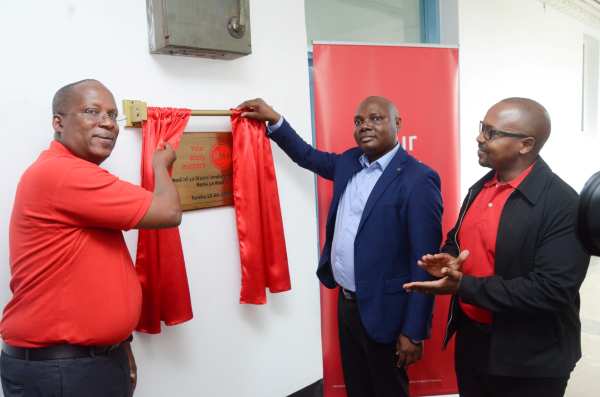
The bank has completed the refurbishment of a mother and child ward at the hospital, transforming a high-traffic care unit into a safer, cleaner and more functional environment for patients and healthcare workers. The upgrade was implemented under Absa’s ‘Adopt a Ward’ initiative, a staff-led programme that empowers employees to identify community needs, mobilise resources and partner with the institution to deliver targeted interventions.
Targeted intervention in a high-demand facility
Temeke Regional Referral Hospital serves one of Dar es Salaam’s most densely populated municipalities, where demand for maternal and child health services continues to rise. Like many public health facilities across Tanzania, it faces infrastructure constraints that can affect service delivery, patient experience and staff efficiency.
The refurbishment addressed critical structural and operational gaps within the ward, including roofing and ceiling repairs, plumbing and electrical works, sanitation improvements, window restoration, installation of aluminium doors, and general painting.
These upgrades are not merely cosmetic – they directly influence infection control, patient safety and workflow efficiency within the facility.
From CSR to strategic social investment
Speaking during the handover, Absa’s Director of Human Capital and Culture, Mr Patrick Foya, framed the initiative as part of a broader institutional philosophy that blends corporate purpose with community impact.
“At Absa, we believe that ‘Your story matters’. This project reflects our purpose of ‘Empowering Africa’s tomorrow together, one story at a time’. It is also a demonstration of how our people are leading change by identifying real needs and working collectively to address them,” he said.
Beyond its immediate impact, the project reflects a wider shift in how financial institutions are approaching corporate citizenship.
Rather than treating corporate social responsibility (CSR) as a peripheral activity, banks like Absa are increasingly integrating social investment into their core strategy – aligning it with brand identity, employee engagement and long-term stakeholder value.
Why maternal health matters for the economy
Investment in maternal and child health is not only a social imperative—it is an important one. Improved healthcare outcomes contribute to a more productive workforce, reduce long-term public health costs and support human capital development.
In Tanzania, maternal health remains a key development priority, with the government and partners continuing to invest in reducing maternal and infant mortality rates.
Upgrades to frontline facilities such as Temeke Hospital play a crucial role in achieving these outcomes, particularly in urban centres where population density intensifies demand.
A scalable model of staff-led impact
What distinguishes Absa’s approach is its internal mobilisation model. The ‘Adopt a Ward’ initiative is driven by employees, with the bank providing institutional backing to scale their efforts.
This hybrid model of grassroots engagement and corporate support creates a sense of ownership while ensuring projects are adequately resourced.
The initiative brought together staff from across the organisation, reinforcing a culture where employees are not only financial service providers but also active contributors to community development.
This approach aligns with broader trends in corporate governance, where employee-driven sustainability initiatives are increasingly recognised as drivers of both social impact and organisational cohesion.
Private sector as a development partner
Absa’s intervention also highlights the growing role of the private sector in supporting Tanzania’s development agenda. As public resources are stretched across competing priorities, partnerships with financial institutions, corporates and development actors are becoming essential in bridging service delivery gaps.
In recent years, Tanzania has seen increased private sector participation in areas such as health, education and infrastructure – often through targeted, high-impact projects rather than large-scale funding programmes.
Building trust through visible impact
For financial institutions, such initiatives carry reputational as well as developmental value. By investing in visible, community-centred projects, banks strengthen their social licence to operate while deepening relationships with the communities they serve.
Absa describes its citizenship agenda as a strategic platform through which it seeks to act as “a force for good” – a positioning that resonates in a market where customers and stakeholders are increasingly attentive to corporate behaviour beyond financial performance.
As Tanzania continues to urbanise and expand its healthcare infrastructure, the need for complementary investment will grow. Initiatives such as the Temeke ward refurbishment demonstrate how targeted, well-executed interventions can deliver immediate benefits while contributing to longer-term system resilience. For Absa Bank Tanzania, the project is more than a one-off contribution – it is part of a broader effort to embed purpose-driven impact within its operations.