

By Business Insider Reporter
Tanzania is moving towards establishing a dedicated real estate regulator as the Government seeks to improve oversight of the property market, address revenue losses and unlock the sector’s contribution to economic growth.
The proposed Tanzania Real Estate Authority is expected to provide a stronger legal and institutional framework for managing, regulating and developing the sector, which the Government believes remains underperforming despite its growing economic importance.
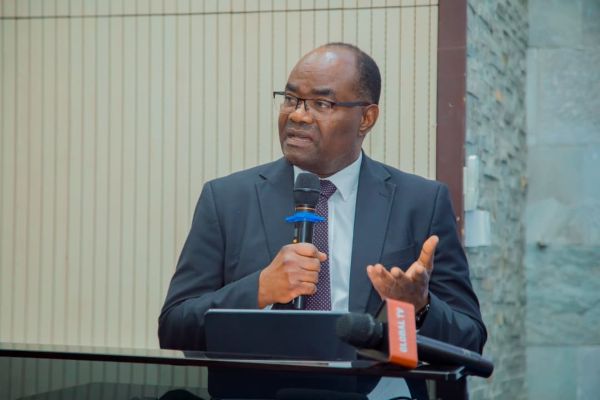
The Minister for Lands, Housing and Human Settlements Development, Dr Leonard Akwilapo, announced on November 23, 2026, that the Government was in the final stages of establishing the authority.
He made the announcement in Dar es Salaam during a working session between the Ministry and companies involved in urban planning, land surveying and real estate development.
Akwilapo said the country needed an institution with sufficient legal powers to supervise the sector, improve accountability and ensure that property-related economic activities generate greater benefits for the national economy.
He noted that the Government was not fully benefiting from the sector because of several challenges, including informal transactions, activities conducted outside official systems and weaknesses in the existing management framework.
According to the minister, real estate contributes approximately 4.4 per cent to Tanzania’s economy, compared with more than seven per cent in some other countries.
“We are losing a lot of money due to the lack of a fully-fledged authority to supervise the real estate sector,” he said.
The proposed regulator is expected to address some of these weaknesses by strengthening oversight and improving the formalisation of property-related activities. Its eventual effectiveness, however, will depend on its legal mandate, enforcement capacity and ability to work with existing institutions.
Formalisation creates opportunities and challenges
Beyond establishing the regulator, the Government is also seeking to accelerate the formalisation of informal settlements as part of efforts to improve urban development and land management.
Akwilapo said the programme was introduced to control the expansion of unplanned settlements, which can undermine urban development, compromise safety and make the provision of essential infrastructure more difficult.
He said the Government would continue supporting the formalisation process to promote safer, more sustainable and better-planned communities.
He also urged private companies and other stakeholders to take advantage of opportunities in settlement improvement while ensuring that their activities do not negatively affect residents.
The minister acknowledged the private sector’s contribution to investment, housing development and commercial activities, saying its participation would remain important in achieving the country’s development ambitions.
For property developers, urban planners, surveyors and investors, improved regulation and settlement formalisation could create opportunities in housing construction, property valuation, land surveying, infrastructure development and property management.
Companies seek commercially sustainable reforms
However, private-sector players say the success of formalisation programmes will also depend on addressing operational and financial challenges facing companies contracted to provide services.
The Deputy Permanent Secretary in the Ministry, Lucy Kabyemera, said the two-day meeting was intended to discuss issues relating to settlement formalisation, real estate development, urban planning and land surveying.
She said recommendations from the discussions would help improve settlement development, housing construction and land-use planning in line with Tanzania’s Development Vision 2050.
The President of the Tanzania Association of Town Planning Professionals, TP Averist Mfinanga, said town planning companies played an important role in implementing development projects but faced challenges that affected their ability to operate efficiently.
One of the major concerns was delayed payments, or failure to pay altogether, for settlement formalisation services provided to citizens.
Such payment difficulties can undermine the financial position of service providers, restrict their ability to undertake new assignments and discourage private investment in the sector.

Meanwhile, the Vice-President of the Tanzania Institution of Valuers and Estate Agents, Simon Chuwa, raised concerns over frequent changes in formalisation costs without adequate research.
He said the changes had resulted in financial losses for some companies and called for comprehensive studies to establish realistic costs that would allow service providers to operate sustainably.
The meeting, which brings together professionals from urban planning, land surveying and real estate development companies, is expected to conclude on November 24, 2026. As Tanzania prepares for Vision 2050, the proposed real estate authority could become an important part of efforts to organise the property market, improve land governance and attract investment. However, translating that ambition into economic gains will require predictable regulations, effective enforcement and commercially viable conditions for private-sector participation.